Author Archives: Conor O'Driscoll

About Conor O'Driscoll

Conor O'Driscoll is a designer and writer, who writes for AppStorm.net. He also enjoys writing about himself in the third person.
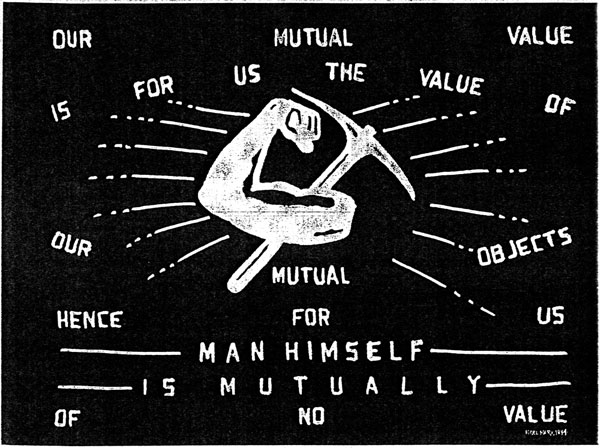
  1. One Minute With… Ryan Feerer

    Leave a Comment
    Fat

    Hi Ryan, thanks for taking time to chat with One Minute With. Tell us a little bit about yourself and your work.

    I don’t often like to talk about myself or the work I do, but I guess I would say that I love attempting to create timeless work. I want what I do to be pleasing now, twenty years from now, and twenty years ago. I do believe that good design is good design and that it should last through time without seeming dated, exhausted, or trendy. I’m not sure if I do a good job at that, but it’s fun trying.

    Walk us through a typical day in the life of Ryan Feerer.

    My days as a designer used to sound much more interesting. Living in NYC I had the dream job. I would go to work late, and stay late. I would illustrate and design things all day and get paid well for doing it. Ever so often I’d see some of my work on the shirts of a passer-by or on a subway ad or wheat-pasted poster. The best of which was having my stuff plastered all over Radio City Music Hall for the Dark Was the Night live show. Now I live in Texas and teach at a small (but awesome) christian university named Abilene Christian University. I usually teach 8 o’clock classes, so I pick up my daughter after that and enjoy her while my wife is at work. When my wife comes home I work until I go to bed. Endless cycle and really not all that exciting. In the summer, it’s a little bit better. I wake up when I want, then walk into my living room, sit on my couch, and work. Best commute in the world.
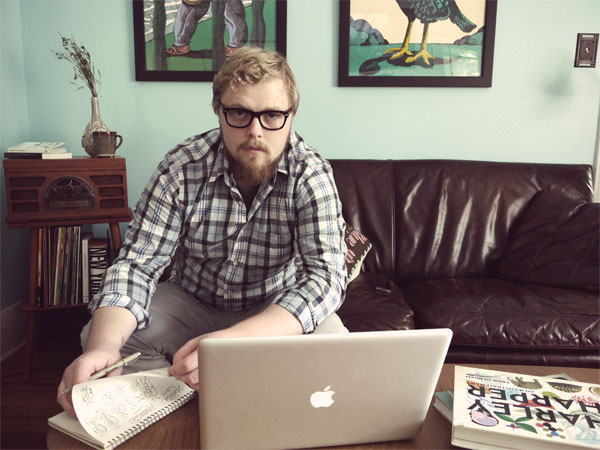
    Ryan Feerer

    How did you get into design?

    My dad was a preacher growing up so I would always draw during church. That is a habit that I still have today. I never really thought I would do it for a living. After graduating high school I started studying 3D animation in Dallas, Texas. After a few months my father made me go to Abilene Christian University. They didn’t have an animation program so I settled with design. Soon after I realized I loved it and my passion for design grew from there. My old professor (and now colleague) Nil Santana is to blame for this. Overall, I tend to do what I do because of the people around me. I love creating with and for fun and positive people. It makes me happy and helps me create better work.
    Betty June

    How do you approach a new project? What’s your creative process like?

    I approach each project differently, depending on the client. Aside from all of the legal stuff I deal with from project to project, I usually start off with either sketches or lists, followed by rough comps, revisions, revisions, revisions, and then a final draft. Some clients react better with images, others with words. There is not one perfect approach that works for every client. Ideally, I would do one finished design, hand it off to the client and tell them to “take it or leave it”. But I have bills to pay, and sometimes that means creating mediocre work that pleases the client. That makes me sad. I much rather do work that I have ownership of. I often times dislike doing client work because it’s so exhausting. There is usually lot of educating the clients in what they need and why they need it. I’m fortunate to have a lot of great clients at the moment. Most, of which, “get” it. That makes me happy.
    The Good Things

    Your style is fantastically retro, with a geometric sting. Where do you get inspiration?

    I love simple things. I tend to overcomplicate some of my work at times, but I love the beauty of the ordinary. Old packaging and logos seemed very ordinary to me growing up. I was young and didn’t realize the beauty of the simple logotypes and touches of illustrations. Now I admire the beautiful kerning within a logotype. I’m such a nerd. As for me and geometric shapes… I tend to start everything I do with basic shapes. It has almost become a rule of mine. Whether it be custom type, logos, illustrations, or whatever, I always seem to start with a circle, triangle, and square. You can make anything with those shapes (or parts of them).

    In your career, you have been lucky enough to study under design legends such as Glaser and Sagmeister. How profound an effect did these experiences have on your career, and how important do you feel having a design mentor is?

    Mentors are so very important to designers. The amount of knowledge that they’re able to pass down is (hopefully) invaluable. As a young designer you need someone to look up and aspire to. It gives you a reason to work hard and something tangible to work towards.
    Goat Milk Soap

    If, in some Freaky Friday-like situation, you could live the life of another designer, illustrator or creative, for a day, who would it be, and why?

    Milton Glaser. When I was around him I felt like every word he spoke should’ve be written down. He is such a thoughtful and intelligent man. You can feel the awesomeness radiate from him while in his presence. If you think I’m over exaggerating, then you must have never met him. If not Milton, I’d probably say one of the Mast Chocolate brothers. Making wonderful chocolates in a cool atmosphere seems to really make them happy. I love how they are bringing such a traditional craft back, and making it their own. It looks like a beautiful way of life. Or possibly Bon Iver? I’m not musically inclined and don’t really have a good voice. That would be super exciting as well.

    What design tools could you not live without?

    Paper, pen, coffee, and good music.
    Hatched

    And finally, what tips would you give to anybody who is looking to get started in design?

    I started off as a real mediocre designer. In fact, I was pretty terrible. It’s sad to say I didn’t know it at the time. The moment I realized that I wasn’t good and was able to edit myself, my work improved and so did the thinking behind my work.To all you students (or others wanting to get into design): Go into the classroom (or learning environment) knowing that you aren’t good and don’t be discouraged about it. As an educator I’ve seen students be lost until well into their junior, sometimes senior year. That’s okay. It takes time to understand how a designer thinks, use the tools, and just as important, how to edit yourselves. Once you see what needs to change with your work, all you have to do is create and change. It’s a beautiful thing, really. Knowing what good design looks like and being able to incorporate that thinking into your work is invaluable. After that, you’re well on your way to being a decent, good, or even great designer! Have fun with it!

    Thanks Ryan!

    Thanks a million to Ryan for talking to me – I really enjoyed talking with him, and hopefully you love his answers as much as I do!

    Why not check out Ryan’s site, and follow him on Dribbble and Twitter?
    Related Posts:

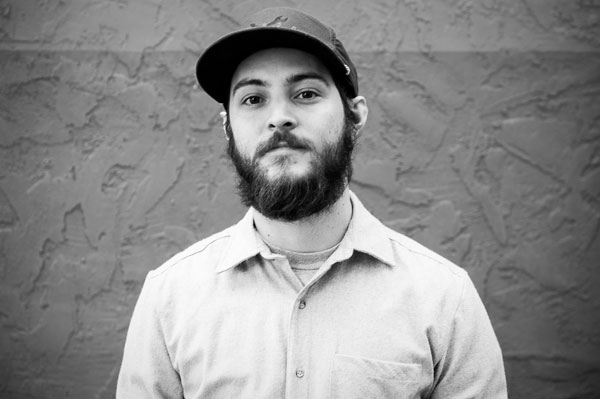
  2. One Minute With… Matt Thompson

    Leave a Comment

    Marx

    Hi Matt, thanks for taking time to chat with One Minute With. Tell us a little bit about yourself and your work.

    Hey Conor, thanks for reaching out to me. I currently reside in Austin, TX where I am finishing up school and freelancing a bit. I’m currently working on a poster series that are experimental prints with various substances as inks. My design work revolves around branding and identity, typography/lettering, illustration and editorial/publication. I am not a stranger to the web/interactive side though.

    Walk us through a typical day in the life of Matt Thompson.

    Every day is different for me, usually. If I have a project I’m working on or an idea of something I want to make I’ll work on that. If it’s looking like a slower day I’ll take it easy and browse the web for a bit and try to get out of the house. Lately the weather here in Austin has been really nice in the earlier parts of the day so I try to take advantage of that before the heat starts to rise. When it’s a busy day I’ll start working around 10 or so and take a few breaks during the day. I’ll usually stop working, if I can, around 5 and step away from my work for a bit and get out of the house. At night my girlfriend and I usually make, or get, something to eat and watch something on TV or ride bikes around town.

    Matt Thompson

    How did you get into design? Was there a defining point in your career, and if so, how did it shape you as a designer?

    I have always been fascinated with logos and really cool type treatments. When I was in middle school I use to spend a lot of time on the Internet downloading free fonts to the family computer and playing with them in MS Paint. In school I would always be drawing BMX logos all over my notes or folders instead of paying attention, which seemed more interesting to me. Eventually I found design from a few projects/teachers in high school while also being in bands and creating shirts, websites and posters for shows, then tried to start learning as much as I could about it.

    A defining point for me as a designer I think has been making the choice to go to school for it. It has helped me make a ton of progress over the last 2 and half years. Great things have happened since, but it’s all rooted from that, and what I have made from it.

    How do you approach a new project? What’s your creative process like?

    I generally like to go about creating something somewhat slowly in the beginning. I prefer not to waste my time on ideas that will fall flat in the middle of working on them. So I let things sit for a little bit of time so I can think through them a bit before making anything. When I have come to a good point to where I can start making the idea I find that my workflow is very quick and fluid and I can apply new options or variations much quicker and easier without getting hung up on something. My decision-making is much more solid at this point as well. Ideally I like to treat my projects like cooking a steak, season and marinate it and let it sit for a bit, then slow cook it. Then I know exactly how I’m going to eat it when it’s in front of me ready to go with the proper sides and options to choose from with my meal.

    A rude word. Well, several.

    Your style has distinct retro influences, and a focus on awesome typography. Where do you get inspiration?

    I get told that often that I have a retro/vintage-y style but it’s just kind of how things come out, I guess. I really just try to apply a collaborative or necessary vision for what the project calls for. I get my inspiration from different places though. I’ve always been a huge baseball fan. In which I have always admired the aesthetic of the game down to the smallest details. Typography is one of the, if not my favorite aspect of design. I absolutely love it, so I try to make that stand out as best as I can for each project.

    I also really love old things, I find myself photographing just about anything I find interesting and putting it in my inspiration folder. I’ve also been a hobbyist photographer about as long as I’ve been into Design. I’m a huge fan of 35mm/120mm film, alternative processes, film grains and textures. So I try to apply different aspects of that to my work when I can.

    Logos

    You’re currently doing a BFA at The Art Institute of Austin. With the design industry changing at such a fast rate, how important is a formal education in art & design, do you feel?

    I think it’s important but not completely necessary. For me, going to school was a chance to focus on design. I needed the environment where I could meet people with common interest, learn more about a world that I was trying to figure out still, as I knew a bit about design but still knew very little about it looking back now — and I’ve gotten to do work and projects that I wouldn’t self initiate on my own. Before school I would only do things that I just wanted to make or for a band or something small. Going to school really broadened my perspective on design and showed me what all needs to be done and just how many different “genres” of design there is that I had no previous idea about. The things that have helped me grow the most are the peer-to-peer critique and feedback and doing projects that I am unfamiliar of and making them into something awesome. It’s definitely been a great experience of growth and progression for myself and my work.

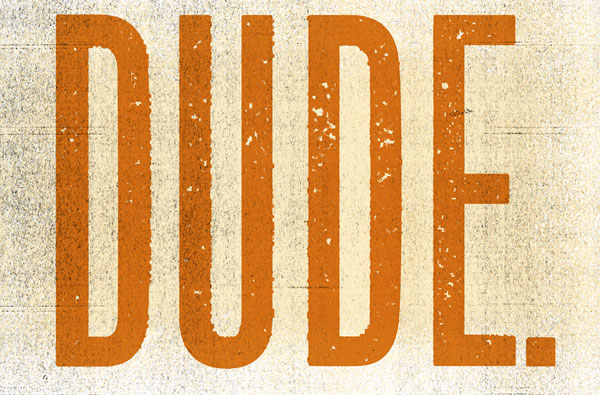
    Dude

    If, in some Freaky Friday-like situation, you could live the life of another designer, illustrator or creative, for a day, who would it be, and why?

    That’s an interesting question I look up to a lot of professionals for inspiration. I would probably choose someone that I hear the least about, but who creates work that blows me away every time. I think that would be Caleb Everitt. His work has always struck a heavy chord with me and I would really be interested to see his processes. It’s not so much his finish out style that I’m interested in as much as it is the processes up to that point is what intrigues me.

    What design tools could you not live without?

    I have a pretty good system working for me right now.
    I use the following:
    Micron pens
    Prismacolor markers
    Various sketchbooks/paper
    Epson scanner
    Photocopier
    Macbook Pro
    Magic Mouse
    A vector trace program
    Adobe software
    My type collection

    Although I could probably live without a few things, I feel like my workflow is at its most efficient and strongest with these various tools at this point.

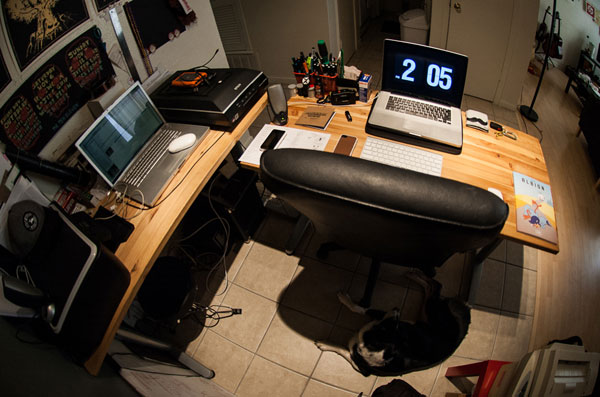
    Matt's workspace

    And finally, what tips would you give to anybody who is looking to get started in design?

    Research design and find out who and what is out there. Get an idea of all of the different things you can do with it.

    Learn the programs for their intended use and understand why they’re being used and for what applications. Then learn how things work and don’t work. Understanding basic things and features early on will help incredibly.

    Look at professional work, lots of it. See what’s going on in design. Read books.

    Make work and keep making work. Try new things, try things that are uncomfortable and try things that you see but aren’t sure how to do.
    Hell, try anything and make it your own.

    The best way to learn something is to mess it up and fix it (within reason).

    Find a community of designers or creative people to talk about design with and discuss process or ideas.

    Go to events.

    Network.

    Be polite and respectful. Never burn bridges.

    Be excited.

    Be a little crazy.

    Don’t stop learning.

    Thanks Matt!

    Many thanks to Matt for sharing his thoughts with OMW. I had a lot of fun talking to him, and I hope you love the interview as much I do!

    Why not check out Matt’s site, and follow him on Dribbble and Twitter?
    Related Posts:

  3. One Minute With… Zach Graham

    Leave a Comment

    Medusa

    Hi Zach, thanks for taking time to chat with One Minute With. Tell us a little bit about yourself and your work.

    No problem Conor. Thanks for wanting to speak with me. You’ve interviewed some heavy hitters, so it’s an honor. Well, my name is Zach Graham and I live in the beautifully disgusting city of Atlanta, GA. I’m currently working as a Senior Designer at Nebo.

    Walk us through a typical day in the life of Zach Graham.

    Well, it sorta depends on the day I guess. A typical weekday involves dragging myself out of bed around 8am and heading into the Nebo office to do some web design. After work I generally just veg out on the couch with my wife for a little while. We will usually watch whatever show we are currently hooked on (lately it’s been The Killing and Saved by the Bell) or a Braves game if they’re playing. She gets up a couple hours earlier than I do, so I usually stay up a little later working on any personal or side projects I have going on.

    Weekends tend to involve a little less work. My wife and I will usually hit up a few thrift or antique stores in the early afternoon. I try to squeeze in a few hours to go skateboarding. I’ve been obsessed with skating since I was 13, but my body is beginning to revolt against me the older I get.

    Zach Graham

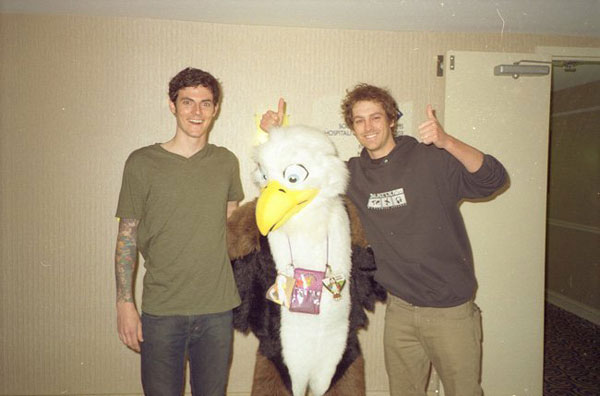
    Zach's the guy on the left. Just so you know.

    How did you get into design? Was there a defining point in your career, and if so, how did it shape you as a designer?

    I honestly never even considered pursuing a career in design until mid way through my senior year in high school. At the time I was fully focused on skateboarding, so education or what I wanted to do for a living didn’t feel like a huge priority for me. I knew I didn’t really want to just be a normal working stiff, but I really had to clue what I actually did want to do. Some recruiters from the Art Institute came and talked to my art class one day. I had never really considered a creative path until then. I honestly think at the time, I really went for it because it seemed easier than going to a normal college. I probably thought I could just sorta wing it and continue to pursue skating.

    It was sort of a happy accident that after I got there, I realized how much I actually did love design. I still skated a lot, but became increasingly interested in all things design. Over time that obsession has overshadowed my love for skateboarding. Which is good, my ankles and shins don’t get nearly as destroyed working on a poster as they did when I was trying to skate handrails.

    Owl

    How do you approach a new project? What’s your creative process like?

    I’m generally all over the place. I think the only constant part of my process is stressing over miniscule details. In a perfect scenario, I would start by doing a little research on what I’m working on. Look into how others have succeeded in doing similar things and why they were successful. Getting inspiration for stuff is a slippery slope. With things like Dribbble and the countless design blogs, it’s easy to almost unintentionally rip someone else off. I try to blend a healthy amount of getting inspired by others actual design work, but also getting inspiration from things that are completely unrelated.

    I don’t really do a whole lot of sketching, I generally just jump right into Illustrator.

    I usually get my wife’s opinion on stuff I’m working on a lot. That woman doesn’t hold back, which is awesome. If something sucks, she will be pretty honest about it.

    Hands are cool.

    You’ve taken on quite a few personal projects, such as Love You Daily and Livin Sick. How important is it, in your opinion, to do work that makes you happy, rather than just the 9-5 stuff?

    I think personal projects are super important for designers. Love You Daily has given me a opportunity to try out a lot of different things that I otherwise would have never tried. I feel like it has really helped me grow as a designer to do things that don’t involve a client. The 9-5 stuff is what pays the bills, but the stuff you have a passion for is what keeps you going. Ultimately I think that blending the two of those is every designer’s dream.

    You’ve got a great, retro-based style, with a definite geometric twist. Where do you get inspiration?

    Like most others, I get a lot of inspiration from my peers. I spend quite a bit of time combing design blogs or checking Dribbble, so that I can drool over other peoples work. Thrift and antique stores are also a great place for inspiration. I love looking at vintage packaging and typography. I’m sure the store owners aren’t super fond of me since I usually take more photos of stuff with my phone than make actual purchases. Skateboarding is another huge inspiration.

    Science Poster

    If, in some Freaky Friday-like situation, you could live the life of another designer, illustrator or creative, for a day, who would it be, and why?

    Man, that’s a tough one. It’s a little scary to say anyone, cause what if their life actually sucks. I’m gonna take the lame route and just say I’d stay me. There are definitely a lot of dudes I’d like to be for a couple minutes just to know they’re tips and tricks. Overall, however, I’m super happy with being me.

    What design tools could you not live without?

    I’m probably pretty standard. Gotta have my MacBook loaded with Adobe software, pencils, pens, paper, and a scanner. I would probably cease to function if Google no longer existed. There are a ton of websites I check regularly, but without Google I’d be useless. It’s pretty much how I learn anything. Which is pretty scary now that I think of it.

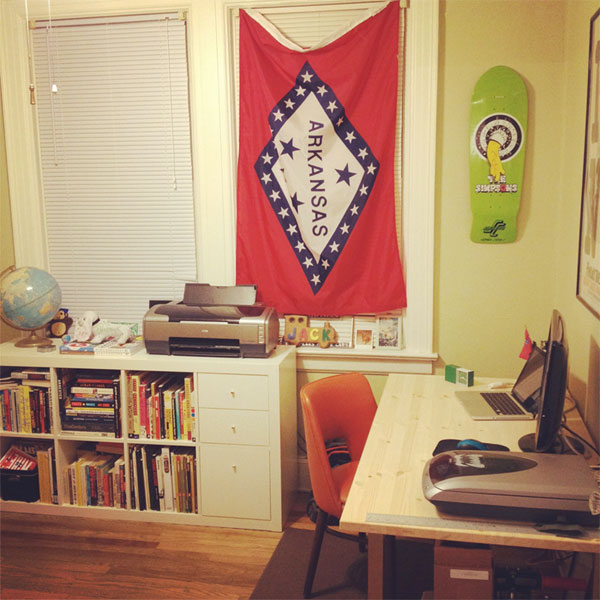
    Zach's workspace

    And finally, what tips would you give to anybody who is looking to get started in design?

    Experiment a lot and don’t be too hard on yourself. Don’t worry about what other people are doing, just do work that is true to you. You can spend all day matching another persons style, but it’s never going to look as good as it would if you just did your own thing.

    Thanks Zach!

    I’m really grateful to Zach for spending a few minutes with One Minute With. Hopefully you found his responses as interesting as I did!

    Why not check out Zach’s site, and follow him on Dribbble and Twitter?
    Related Posts:

  4. The Perfect Design Portfolio Site

    4 Comments

    The Perfect Design Portfolio

    I know, I know, this ain’t one of those interviews that you all know and love, but I thought I would share a few tips that I have picked up whilst doing this blog. So, y’know, enjoy. If you really hate the fact that there’s a long-form article on the site, just write me a strongly worded letter. I’ve always wanted to receive a strongly worded letter.

    Hey there. I’m Conor O’Driscoll. You may not know me, but I’m behind all of this. I contact all of the interviewees. I ask all the questions. I get all of the images for the posts.

    Because of this, I look at a lot of designers’ portfolios. And when I say “a lot”, I mean a lot. For every one interview you see on this site, I’ll have looked at 4 or 5 portfolios. For every 4 or 5 portfolios I look at, I e-mail 2 or 3 designers. And for every 2 or 3 designers I e-mail, you get one awesome interview!

    There are various reasons as to why I don’t contact someone after looking at their work. Most of the time, it’s nothing to do with how good their work is. Most of the time, it’s to do with how good their website is.

    In this post, I’ll run you through some of the best and worst practices to make sure your site is good enough for me to contact you. Because after all, I’m a designer, just like you – I’m used to this sorta thing. So if I won’t contact you, what chance do you have with clients?

    10 Handy Tips to Growing a Better Portfolio Site

    So without further ado, here are my tips to having a workable portfolio site:

    Actually HAVE a personal site.
    I guess we’ll start with the basics. When I follow the link to your site on Twitter or Dribbble, I don’t want to find myself at the site of the agency that you and your friend set up, however great it may be. I want YOUR site. A site where I can send an e-mail and be 100% sure that it’s you who will receive it: not your business partner, not your secretary, but YOU. You’re a human being, so try and make that clear on the web too.

    If you have to link to your business, at least have a personal e-mail in there somewhere, so I can e-mail alfredo@awesomeawesomeawesomedesignco.com, rather than just info@awesomeawesomeawesomedesignco.com.

    Have your work on there.

    I see this far too often. You’ve got this lovely little site which sells you as a fantastic designer and a great guy and the sexiest man on the planet, and there are social media links and e-mail buttons and it looks fantastic, but… there’s, uh, no work on there. I mean, sure, there’s a Dribbble link, but I’ve come here to check your work out, I don’t want to have to go somewhere completely different. At the end of the day, you’re being hired on your work, so you might as well show it off.

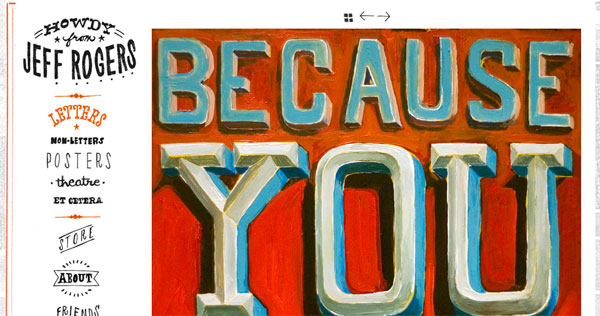
    Jeff Rogers

    Jeff Rogers does big pictures pretty darn good.

    Use big images.
    I guess this one is really only for interviews and bloggers, but still important. Most blogs like to use nice big images for their posts. Here at OneMinuteWith, my images are 600px wide. Dribbble shots just don’t cut it, unfortunately. Images that are too small is a problem, but images that are too big really aren’t, as long as you can maintain a small enough file size. Live on the wild side: Chuck a few 1000px wide images in there – Bloggers like me will thank you for it.

    Make it easy to contact you.
    I can’t stress the importance of this. The primary goal of your site is almost always to get people to contact you, whether it’s clients, fans, or annoying interviewers like me. If it’s a struggle to find your e-mail address, I won’t bother – There are plenty more fish in the sea, why should I waste my time trying to catch this particularly awkward fish?

    Chuck a mailto: link in there.

    Having a contact form is all fine and nice and pretty and show-offy, and by all means, include one, but also give me the option of clicking a link that will open up my mail client and I can compose a message on my own terms. I send out a lot of e-mails to interviewees, and it’s a lot easier to keep track of a few e-mails in my Sent folder than having to remember whose site I’ve visited, and out of those, who I’ve actually contacted. Similarly, most clients send out a load of e-mails to a load of designers, and they’ll probably want the same level of organisation.

    Mackey Saturday

    Mackey Saturday just throws ALL the contact details at you.

    Social media, social media, social media.
    Your clients aren’t Luddites who don’t understand the internet. Or at least, not all of them are. Many of them will want to connect with you on LinkedIn, or see what you’re saying on Twitter. As an interviewer, I know I always check someone’s Twitter before e-mailing them – It can be an incredibly useful way to gauge their personality quickly. As a freelancer, your social presence is your best asset, so please, for your own sake, exploit it like crazy.

    Dribbble is your friend.
    You’re a designer. You’re busy. You haven’t got time to update your portfolio every single time you churn out another retro hipster logo. What you do have time for, however, is to post it on Dribbble, get 100 likes and have everyone say how awesome your work is. Many clients, by now, know what Dribbble is, so put a link on your site to it, and you’ll only have to update your portfolio every 6 months. Everybody wins.

    Just be human.

    You’re a designer. You are in one of the most creative professions in the world. You’ve got hundreds of ideas swimming through your head all the time. You are an absolutely fascinating person. Judging by your portfolio, however, you’d never be able to tell. Don’t be another HTML/CSS/PS/AI bot, be someone interesting. Be funny. Tell stories. Open up a bit. Clients want to work with a human, and interviewers want to interview humans. So please, please, please, just be human.

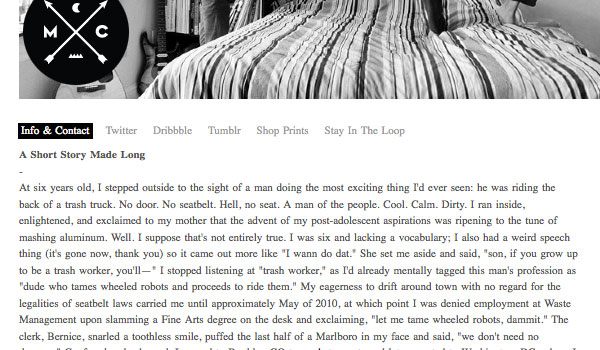
    Matt Chase

    Matt Chase's about page is full of personality

    Include an image of yourself.
    This sorta ties in with the bit about being human. You can write as many words as you want about yourself, but there’s something about a photo of yourself that can say something that words never can – It can make that connection that will seal the deal for you. It proves that you’re a human. It proves that you at least exist.

    Unless, of course, you happen to be Visual Idiot. In that case, just stick an animal head on a stock photo and call it a day.

    Simple is fine.
    If you’re not a web designer, that’s cool. Just because you’re make pretty posters doesn’t mean you have to make pretty websites too. Don’t get scared and not make a site just because it’ll never be as pretty as WebDesignerX’s site. Just hop on Indexhibit, throw together a website, and let that be that. If anything, simplicity is a good thing – A simple white interface will make your actual work stand out better. So if you have a good portfolio, there’s no excuse for not having a good portfolio site – Go make one now!

    A Disclaimer

    “But Conor,” I hear your roar, “Your site hardly follows any of these rules!” Yes, I know – I did, after all, write that heckle. But my site isn’t the perfect portfolio site. By a long stretch. Also, I’m not really trying to get freelance work from it, nor do I particularly want to be interviewed. But if you are trying to get client work, then implement these tips, and you’ll go far, kid.

    Your thoughts?

    I’ve been rambling on for hours, but now I want to hear your opinion – Are my criteria fair? What else do you feel is essential to making the perfect portfolio site?

    Now, if you’ll excuse me, I’m off to register www.awesomeawesomeawesomedesignco.com…

    Related Posts:

  5. One Minute With… Vitaly Friedman

    Leave a Comment

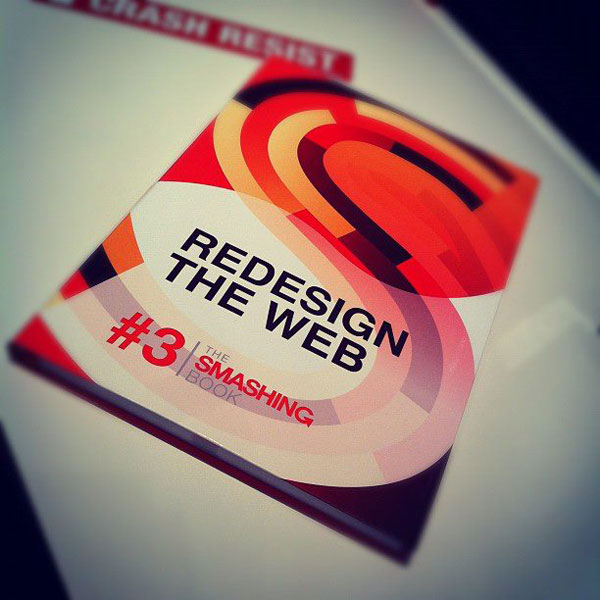
    Smashing Book 3

    Hi Vitaly, thanks for taking time to chat with One Minute With. Tell us a little bit about yourself and your work.

    I love beautiful, thoroughly researched and carefully prepared content. I never give in easily and strive for quality in everything that I do. I proudly stand by all the articles and projects that we’re working on and always do my best to not disappoint and to impress and delight. That, and I co-founded Smashing Magazine and still work as editor-in-chief in my own company.

    Walk us through a typical day in the life of Vitaly Friedman.

    I spend a lot of time during the day reading, exchanging emails, developing new ideas and making sure that the editorial process runs smoothly. I used to write more (and I actually wish I could write more often) but at the moment a lot of time goes into ensuring quality content and a healthy diversity and relevance of articles on Smashing Magazine.

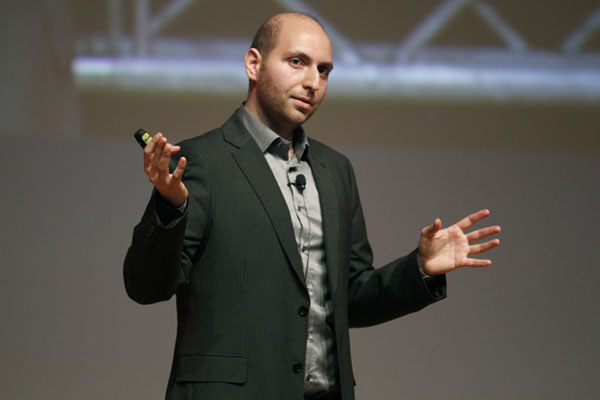
    Vitaly Friedman

    How did you get into design? Was there a defining point in your career, and if so, how did it shape you as a designer?

    It might sound silly, but the main starting point for me was when I discovered the Flash website eye4u back in the day (1997 or 1998). I understood how rich the web as a medium can be and that everybody could actually be creative and put content online, making it accessible to a large audience worldwide. It was an intoxicating feeling, and it still is in a way. This moment literally changed my life and my career, forever.

    You’ve been running Smashing Magazine for nearly 6 years now, where it has been at the very forefront of the design world. How have you seen the industry change in that time, and where do you think it might go in the next few years?

    Now, that’s a very difficult question. Many things happened over the last 6 years, and I am confident that we are about to explore new developments that will again change how we build websites. Responsive Web design will play an important role in the future, especially server-side performance for mobile will become very, very important area. I feel that it’s a bit underrated these days, but I think it will become essential for meaningful mobile user experiences. Another thing that I am very excited about is storytelling and how it will be used to create memorable emotional experiences throughout different media and experience channels. It will be very interesting to see how far we will come with Web design for TV and other objects in our households.

    Smashing Magazine

    Smashing Magazine just released their 3rd book, and even have a conference in the works. What challenges do these new projects bring, and do you feel a need to keep adding strings to your bow, so as not to become stagnant?

    One of the core value that we’ve crystallized in our company within the last years is focus. We have to focus. The magazine is obviously the core of our universe, and we will keep focusing and working closely on improving the content in the magazine, reaching our audience and finding new audiences, ensuring the high quality of every single article and doing everything we can to provide value and relevance to Web designers and developers worldwide.

    However, we love challenges and encourage and embrace innovation and experimentation. A couple of years ago we decided to produce a printed book; it didn’t quite work as we expected but we’ve learned from our mistakes and so the brand new Smashing Book 3 is by far the best book we’ve published so far. The book encouraged us to thoroughly review existing design practices and grasp what it actually means to be designing websites today, and what it will mean in the future. The Web has changed over the last years, yet our practices haven’t quite kept up with the pace of innovation in technology and design recently. This is why we wanted to produce a very forward-thinking, game changing book. I think that we can be proud of the final result!

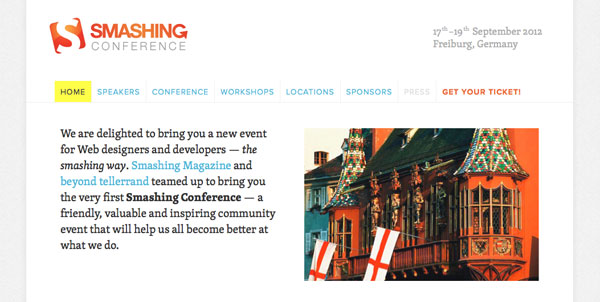
    The Smashing Conference, which we are organizing together with our dear friend Marc Thiele who is known for organizing very personal community events in Germany, is our humble attempt to organize a friendly, valuable and inspiring community event that will help us all become better at what we do. Our community has some very distinctive attributes, such as ongoing experimentation, learning, sharing and exchange of ideas. We always encourage Web design community to produce useful tools, resources or just write about design process, workflows, tools and how they are used.

    Very often you see show-offs of the final designs, but what we actually miss are more discussions about the design process, how designs evolve. E.g. I’d love to see more articles explaining what variations or elements of the design didn’t make it to the final result, and why. What the context of the work has been, what requirements the designers had and how they dealt with that? It would be also great to learn how different designers organize their workflow and their collaboration with other designers and developers. This hands-on experience is something that is very difficult to find and explore on the Web. The Smashing Conference is an attempt to change it. We want to organize a very practical, valuable event from which every attendee can “grab” something “tangible” and then use it in his/her work.

    As I’ve just mentioned, you are very much a design polymath – You write, design, speak, and that’s just the tip of the iceberg! If, in some hypothetical universe, you were only allowed to do one of these, which would it be, and why?

    I love writing. We never think about it actually but I think it’s just fascinating how everybody can develop ideas, package them in a nice article and deliver them to an audience. I love developing my own ideas but it’s wonderful to work with our writers as well because you can explore different perspectives and actually drive our very knowledgeable, creative and forward-thinking authors in directions that they never considered before, even if at some point they find themselves in a “tough corner” and have to discover the right road to take first. Authors — who are rather our colleagues and not authors — do not work for us, we work with them. We develop ideas together, we give feedback, we ensure the quality with the tremendous help of our Experts Panel and we challenge them, we move them out of their comfort zone. I think it’s very important to not let the author simply write about the topic of his/her choice, but instead introduce challenges that they would need to resolve and think about thoroughly first. It can be very time-consuming, but (most of) our authors actually love the process because we make them explore things that they’ve never explored before. And that’s a real value they get from the writing process.

    Smashing Conference

    If, in some Freaky Friday-like situation, you could live the life of another designer, illustrator or creative, for a day, who would it be, and why?

    That’s a fantastic question! To be honest, I always wanted to learn what the regular day of a product designer looks like. It must feel wonderful working with different “tangible” materials and constructing designs out of them. At some point in the past I was literally obsessed with chair and started learning about how one builds one and what are the main principles, qualities, attributes and common “design patterns” that chairs have to have. It’s been very, very interesting. Now that I am thinking about that… I should do that more often!

    What design tools could you not live without?

    I love paper and pen most, to be honest. I know my strengths and my weaknesses, and I am definitely not a visual designer. I love developing ideas on paper and transform them in a text editor or using CSS. It might sounds strange but I love WebKit Inspector most. And there are of course small tools that make my life easier every single day, such as Alfred App, TextExpander and… lots of keyboard shortcuts! Oh yes, I do love keyboard shortcuts.

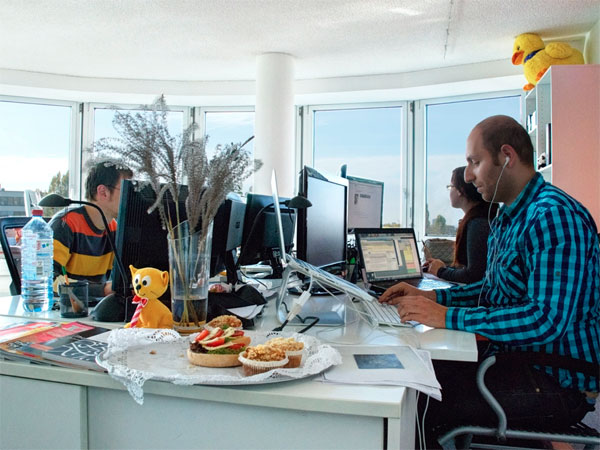
    The Smashing Office

    And finally, what tips would you give to anybody who is looking to get started in design or blogging?

    Understand your values and principles first, fully commit to them and follow them no matter what happens. Don’t be afraid to fail, and feel free to play. Find a way to integrate experimentation in your daily routine. And most important: be patient and be stubborn, if you want to do something and you want to become good at it, do it at least 3 months, 6 months, a year — no matter what happens. Because this is the only way to understand, learn and master any craft. Don’t try to find any shortcuts, but focus on hard, time-consuming and dedicated work. And before you notice it, it will pay off on a large scale.

    Thanks Vitaly!

    Thanks a million to Vitaly for talking with One Minute With. I loved talking to him, and hopefully you did too!

    Why not check out Smashing Magazine, and follow them on Dribbble and Twitter?

    Related Posts:

  6. One Minute With… Ethan Marcotte

    2 Comments

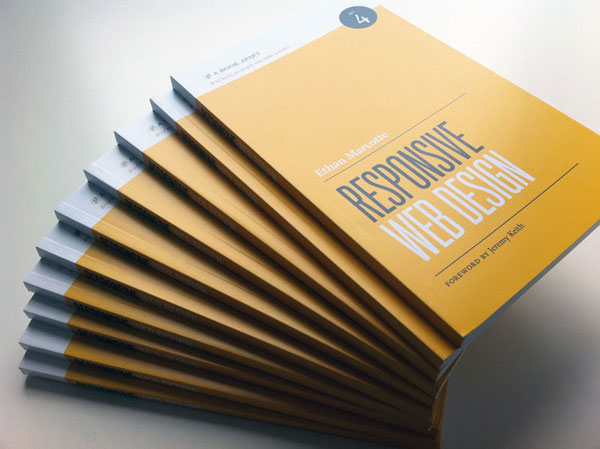
    Responsive Web Design - The Book

    Hi Ethan, thanks for taking time to chat with One Minute With. Tell us a little bit about yourself and your work.

    Hey! Thanks so much for inviting me on One Minute With.

    I’m an independent designer/developer, based in Cambridge, Massachusetts. Over the years I’ve worked for myself and for agencies, and for clients like New York Magazine, The Sundance Film Festival, and Stanford University. Also, I wrote an article back in 2010 and a book in 2011 on “responsive design,” describing a way to design more flexibly for the web—to think about how our designs and content can flex and grow and, well, respond to the changing size of the screen, allowing us another way to design across different devices.

    Also, I like robots. And swearing. I do both on Twitter as @beep.

    Walk us through a typical day in the life of Ethan Marcotte.

    The short version? It involves a laptop, not a few Adobe applications, a few phones and tablets, a sketchbook, and tears.

    I’m still waiting for the movie rights to be optioned.

    Ethan Marcotte, photo by Brian Warren

    Whilst we’re on the subject of your daily life, has your life changed much since your Responsive Web Design articles & book came out?

    So here’s how I started to respond: “I don’t know as my life’s changed all that much.” But I realized that’s, well, patently false. There’s been a lot of interest and excitement around responsive design, which is fantastic and thrilling and weird and humbling. And as a result, I’ve been able to work on some impossibly great projects, travel to some wonderful corners of the Globe, and meet some generally great people. I feel incredibly lucky and fortunate, and I’ll enjoy this as long as it lasts.

    How did you get into design?

    I think it’s safe to say that when I started, most folks had found the web by accident. And I’m no exception. While I was in college, studying for a literature degree, I’d started messing around with Photoshop and HTML—nothing too fancy, just a few sites for some student groups. I enjoyed the hell out of it, but it wasn’t anything I ever seriously considered. But once school wrapped up, I thought, well, heck: why not try it professionally for a bit? Take a year or two off before grad school, see what this whole “web” thing is all about.

    And man, that first job. I tell you.

    The first studio I worked at was staffed by former musicians, architects, computer scientists, photographers—you name the discipline, it was probably working out of that tiny little Soho office in 2000. I’d somehow gotten hired to stand at this weird crossroads of every artistic medium ever, surrounded by a bunch of fun, ridiculously smart people, all of us trying to figure out how the hell this “web” thing actually worked.

    So yeah. I fell in love with the web that year. And maybe a little bit with the people who work on it.

    The Boston Globe

    A few years ago, you left the world-renowned Happy Cog to go freelance. Why did you make that decision, and is it one you are glad you took? How does working freelance compare to working at an agency?

    I wrote quite a bit about why I left back then, but it boiled down to wanting a few new challenges: to write a bit more, and to do a bit more public speaking. I still miss my coworkers daily, and we keep in touch as much as iChat and Twitter and the occasional phone call allows. But I haven’t regretted moving on one bit.

    That’s not to say I wouldn’t ever take on another opportunity at some point. If the work’s exciting, the challenges involved enough, I’m up for anything. But I love what I’m doing right now.

    Well, I’ve done healthy amounts of both: I worked freelance for a few years before joining up with Happy Cog’s West Coast office (née Airbag). The differences aren’t huge—I’m still doing plenty of client work—but I like having a bit more control over my schedule, over the projects I work on. There are scary bits, too, like ensuring you’ve enough work lined up, being more directly responsible for the health of a project, but even the scary bits are fun.

    MFA in Interaction

    In addition to your design work itself, you’ve written an awful lot about design and development, and spoken at numerous conferences. If, in some crazy hypothetical universe, you could only do one of these things (Design, Writing, Conferences), which would it be, and why?

    I’d write. As awful as that decision would be, there’s no question.

    Where do you see yourself in, say, 5 or 10 years? Do you still hope to still be writing, designing and speaking, or do you want to have moved on to something bigger? Or do you happen to have another revolutionary web design practice up your sleeve?

    Ha! I honestly have no idea. I’ve never been able to formulate a six month plan, much less one that looks five years down the road.

    As for a new web design idea, I’ve totally got you covered. You ready? Here it is: imagemap all the things.

    You’re welcome.

    wait where are you going

    What design tools could you not live without?

    IconFactory’s xScope. TextMate. Stewart Brand’s How Buildings Learn. My Quattro sketchpad and a well-chewed pencil. Photoshop, for better or worse. Things, also for better or worse. My iPhone’s camera. Adam Greenfield’s Everyware. Any Charles Mingus album. (Extra points are awarded if it’s the “In Paris” compilation.)

    And finally, what tips would you give to anybody who is looking to get started in design?

    I’m paraphrasing Jeffrey Zeldman here, and badly, but something he said once sums it up for me: always show up early, be nice, and stay hungry.

    Thanks Ethan!

    We’re really grateful to Ethan for spending a few minutes with One Minute With. Hopefully you found his responses as interesting as I did!

    Why not check out Ethan’s site, and follow him on Dribbble and Twitter?
    Related Posts:

  7. One Minute With… Jacqui Oakley

    2 Comments

    Amur Leopard

    Hi Jacqui, thanks for taking time to chat with One Minute With. Tell us a little bit about yourself and your work.

    I’m an illustrator based out of Hamilton, Ontario, Canada which is a city just outside of Toronto renown for its steel factories and donut shops. I was born here in Canada, but soon after was whisked away by my British family, growing up in England, Libya, Zambia, Bahrain and then back to Canada as a teenager. That was quite the culture shock at the time, but by now I’m nearly used to Canadians (except for the whole hockey thing).

    I’ve been doing freelance illustration for about 10 years and I also teach part time at the Ontario College of Art and Design in Toronto. The bulk of my work has been in magazines, but lately I’ve been working more in book publishing and advertising and doing more hand-lettering too. Some of my clients include Sony, Rolling Stone, AOL, LA Weekly, The Boston Globe, The Financial Times & ESPN.

    When I can I like to work on personal work for art shows. I’ve been exhibited in Toronto, L.A., San Francisco, Philadelphia, San Diego and Shanghai. Lately I’ve really been interested in doing bigger paintings and collaborating with other artists I admire, so I’ve been trying to do more group shows. Any excuse to paint and to travel somewhere new is welcome.

    Walk us through a typical day in the life of Jacqui Oakley.

    I stumble out of bed around 9:30 and with coffee in hand get to tackling my email inbox. I’ll then usually move onto either working on final illustrations or linears (rough pencil drawings) for clients. Illustration work tends to move really fast with the deadlines often being just a few days from start to finish, so there’s usually always something to keep me busy with. If no jobs are in there’s always business/admin work to catch up on; invoicing, contracts and promoting. Of course when I’m teaching I’m also coming up with new projects and marking students’ work. I tend to break for lunch around noon where I luckily get to catch up with what my husband’s been working on and try to wind down with a bit of a TV show, (lately it’s been The Wire or Twin Peaks). He’s a graphic designer at Poly http://polystudio.ca/ who works from home too. Since we tend to work a lot it’s great that we’re just across the hall from each other in our respective studios, so we can be a part of each other’s workdays, offering a fine balance of encouragement and criticism. It helps so much to have someone to bounce ideas off of or to get out the frustrations of some of the more difficult clients. Of course most of our clients are gems. As most freelancers know, evenings tend to be a time for work too, or at very least taking time to switch over to doing paintings for shows.

    Jacqui Oakley

    How did you get into illustration? Was there a defining point in your career, and if so, how did it shape you as an illustrator?

    I got into illustration quite by accident. I always loved art when I was a kid but never knew quite what to do. I remember my friends wanting to be actresses or singers and I always felt like I was the odd one out. So later, after high-school, I randomly enrolled in an art degree program but found it wasn’t challenging me enough. I wanted and needed feedback and criticism to get off my ass and become a better artist. I visited my friend at Sheridan College’s illustration program in Oakville, (just outside of Toronto), and I was blown away by the talent there and the focus on learning classic skills such as life drawing. The next year I switched over and was gripped with the idea of being an illustrator.

    With illustration I enjoy the fact that that I’m not just accountable to myself and my own whims. I need to communicate to a wider audience and I get to inject art and ideas into the lives of an average person rather than solely focusing the smaller realm of art galleries. Illustration is a great opportunity to participate in a larger discussion. Also, day to day my projects are constantly changing so there’s little room for boredom. You’re given a problem and you have to figure out how to solve it visually and conceptually rather quickly. This sometimes pushes your work in unexpected and interesting directions you might not have come up with yourself. I always love the idea of the ‘black-box” contest: here are a few specific elements – lets see how you’d add your voice to the mix. Illustration is constantly like that, which is sometimes frustrating but often inspiring.

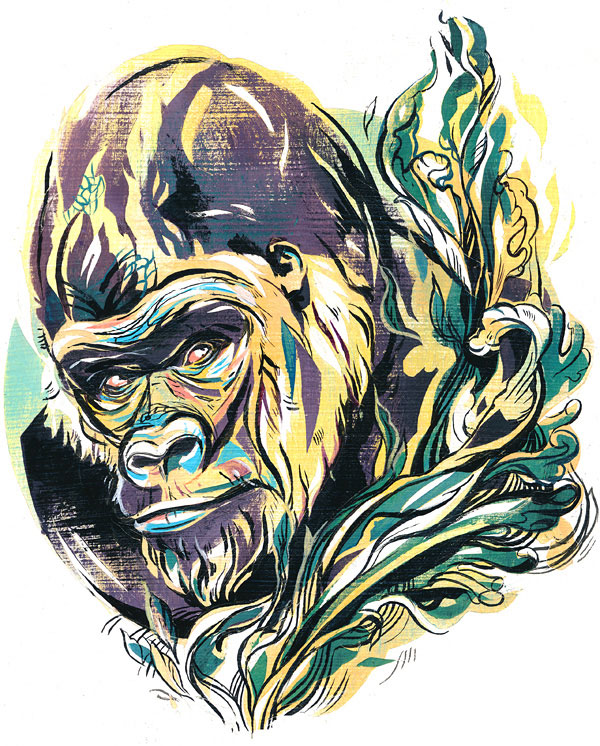
    Gorilla

    How do you approach a new project? What’s your creative process like?

    After accepting a job from a client, and having received the pertinent project information (article, brief, etc.) I start off brainstorming with words and small doodles of random ideas that come to mind, then maybe collecting a bunch of reference images, before then moving onto roughs and linears. I tend to start going through folders on my computer and go online searching out imagery and inspiration that can get me excited and open up the possibilities of a project. This can be vintage illustration, design, textile patterns, vintage poster design, etc. With each job I try to add something that I’m excited by at the moment whether it’s a colour scheme, a new line technique or a new concept which will always show in the final illustration. Not all jobs are the most thrilling so it’s up to you as an illustrator to find your entry point into the solution.

    Once a linear is approved, sometimes after some revisions, I blow it up to the size I’m going to work with and transfer it onto paper. I used to work in oils, but these days I usually block out a few areas in acrylic paint, sometimes with Frisket film, trying to keep it loose and get some texture in there with dry brush. Then I go onto inking lines, and then maybe a few spots of colour again in acrylic or coloured ink. Sometimes, especially for smaller spot illustrations, I’ll ink the lines by hand, then scan and add the colour digitally. At the end I’ll place the image up on my server and send the client a link to pick it up.

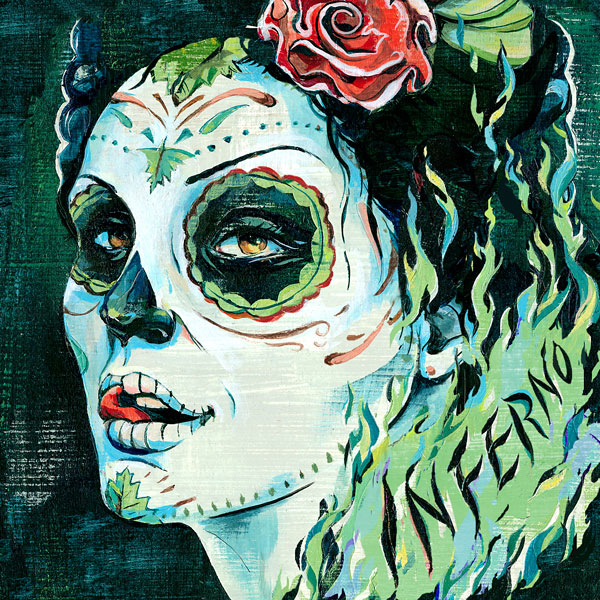
    DesignersMX Inferno

    You’re best known for your vivid, organic illustrations with awesome textures. Was it a conscious decision to find a style you liked and stick to it, or did it simply end up that way? How has your style developed over time?

    Thank-you! ‘Style’ is really just a constant evolution to find what feels right to you and will keep you excited and involved. I’m constantly looking at design and imagery that I can bring into the mix. Early in my career I started off being excited by ornate imagery and the detail in Art Nouveau work and the collaged textured work of artists like Kurt Schwitters and Robert Rauschenberg. I also really like work or furniture that has an aged worn feel to – I don’t tend to like work that feels too clean and glossy. I’m also really inspired by vintage illustrators and comic book artists and the design in vintage posters and ephemera. So, really with my work it’s finding a balance between detail, and graphic design while trying to keep a loose hand-rendered feel. Hopefully it’s a path that keep me excited throughout my career.

    I find the larger the pot of work you’re inspired by the more unique your work will be and the more you’ll have figured out what feels like ‘you’. Over years and listening to other people’s feedback, you figure out where your talents lie and what aspects of your work resonate the most with others, and then hopefully you build on those and work on the things you’re a bit more unsure of. Also, a ‘style’ isn’t only figuring out what imagery gets you excited but also what compliments how your solve problems conceptually. As long as you stay interested in art and design, those inspirations will seep into your work and your work will evolve naturally into something you’re excited by and something that plays on your strengths.

    As a young illustrator it’s really easy to get overwhelmed by the incredible amount and variety of work out there. It’s hard to know exactly which route you should go and also what’s going to earn you a living. You do need to be inspired by what’s going on around you but you don’t want a ‘style’ that’s already been done or that’ll be shortly outdated. As long as you figure out and keep working on your talents and keep evolving and stay interested, you’ll find out what works for you. Illustration is always a balance between the personal and the collective. You want to have work that feels unique to you and stands apart from the crowd, but it still has to communicate something to the masses. It’s an interesting situation to play with.

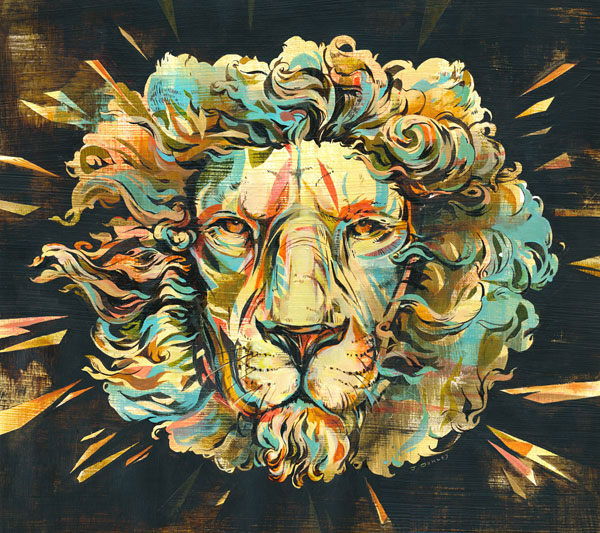
    Lion

    Most of your work is done with brushes, paints and inks. At a time when both design and illustration have gone almost entirely digital, how important is it to you to keep alive the older, more handcrafted traditions of the past?

    I don’t reality feel like it’s my job to keep alive the older traditions, I just tend to be more excited by the techniques of older artists and try my best to come close to their talent. I also just enjoy working by hand and the spontaneity that comes with it. When I’m painting and inking I feel so much more physically involved with the work and I am able to better connect to what I’m doing and solve problems better. I also like the possibility of ‘happy accidents’ that can lead you off into an unexpected direction. That’s not to say I don’t admire digital work. There are a ton of illustrators, some who are close friends, who do the most amazing work all on the computer. For me, I just always revert to liking the feel of paint on paper.

    If, in some Freaky Friday-like situation, you could live the life of another designer, illustrator or creative, for a day, who would it be, and why?

    Ha! Good question. I’d love to switch up with someone who has a totally different career and a different creative take. Since my job is such a solo occupation it would be interesting to see how a group of talented creative folk collaborate on something so big and multi-faceted like a film. Maybe I’d choose to investigate the partnership between the director Jim Jarmusch or Wong Kar Wai and the incredible cinematographer Christopher Doyle. Or, if I am brave enough to see what’s going on inside his head maybe my pick would be the director Alejandro Jodorowsky. He comes up with the most surreal and unique imagery in his films but has also collaborated with amazing creative people. In the original and unmade version of the film Dune he brought together such a super-team of creatives including Dan O’Bannon, Jean Giraud (Moebius), Salvador Dali, Orson Welles, and even music by Stockhausen and Pink Floyd. Thank God there’s finally a documentary coming out about this.

    Ocean

    What design tools could you not live without?

    I’ve been working reality long hours lately and since I’m tethered to my desk without much company I do like to have a good audio book on to keep me company, preferable a long-winded fantasy or vintage science fiction or horror book. I think it’s my hope that anything with fanatical imagery and descriptions will seep into my work. Also, I’m an avid podcast listener. Other than that even though I work mostly by hand I need Photoshop to scan my work and tweak it here and there. I also use it tons for moving around elements in the linear stage. The rest of my tools would just be ink, paint, the occasional piece of Frisket film a new crisp detail brush and a nice cup of tea.

    And finally, what tips would you give to anybody who is looking to get started in illustration?

    It’s tough at first going out on your own. Remember that everyone has had really slow times. Just keep promoting yourself and doing good work that feels right to you and it’ll pay off. It’s a bit obvious, but don’t forget that you enjoy art & design. Sometimes when art becomes a daily routine it can seem like a chore. So try to remember to work on personal projects when you can, collaborate with friends, continue looking at things to keep getting excited and add to the vocabulary of your work. It’ll come through in the end.

    On more thing: as an illustrator the fact that your job is so tied to your personal interests is both a blessing and a curse. It’s hard to separate your personal life from your professional life especially when you work from home. You want to put in long hours since you enjoy what you do, and sometimes you need to due to tight deadlines. So trying to maintain some semblance of a schedule is key. On the other end of things, you get to draw for a living and collaborate with interesting creative people, which is pretty amazing. You’re part of a long line of illustrators that have commented on and even changed society which is pretty incredible to be part of.

    Thanks Jacqui!

    Many thanks to Jacqui for taking some time to talk to One Minute With. I really enjoyed interviewing her, and hopefully you enjoyed reading it!

    Why not check out Jacqui’s site, and follow her on Dribbble and Twitter?

    Related Posts:

  8. One Minute With… Mike Jones

    1 Comment

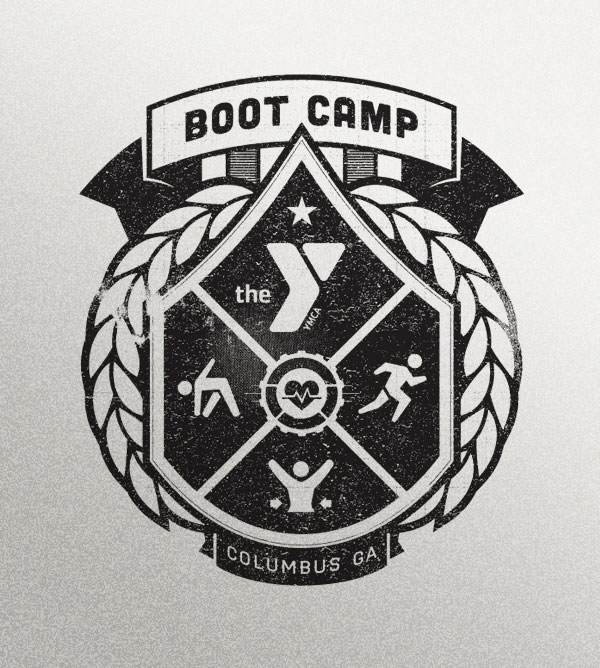
    Boot Camp

    Hi Mike, thanks for taking time to chat with One Minute With. Tell us a little bit about yourself and your work.

    Love to. So, my name is Mike Jones, I am from the great city of Columbus, GA – Representing the South! It’s about 2 hours southwest of ATL, and we house one of the largest military bases in the country, Fort Benning. I am married with 4 kids and one dog (Hey Karen, Jake, Alexis, Elise, Carson & Chewy!) and I have been doing design for about 12 years now. I am the Senior Graphic Designer at OmegaFi, and I am the Co-Founder of Columbus Creative. I also do my freelance work under EightOne (my personal brand), and I write a blog called “Buckets of Barbecue“, because I love BBQ & food! I am not what you might think a typical designer would look like – I am like Draplin: a big ‘ol dude, used to play Professional Arena Football for the Columbus Lions. I love my Church & tend to put a lot of my faith in my work, but I get inspired every day by a lot of different folks on Dribbble. My favorite things to design are logos, military insignia, hand-drawn type & t-shirts. So that’s me: God, family, food & design!

    Walk us through a typical day in the life of Mike Jones.

    My typical day starts out with waking up, prayer, then getting the kids out the door for school (props to the wife for making that happen – I am not a morning person at all.) Then I get to work, get a cup of coffee and check Twitter, FB, email & Dribbble to see what’s going down. I then get to it, I turn on turntable.fm and get my Christian music jam on and see what’s on my to-do list. Then have some lunch – BBQ, if I can – and finish up the day, all while staying in the mix and keeping up with the goings-on of all the social media craziness. I leave here at about 5:25 to go pick up my kids from school – we get home, I cook dinner, hang out with the family, feed the baby, put all the kids to bed, watch TV and hang with my beautiful wife, check social media & Dribbble, play some Battlefield 3 on XBOX (Bucket826 is my Gamertag) with my buddies and then get to bed with the wife, unless I have freelance work that I need to work on – all ending around 2:30 AM. Then I do it all over again!

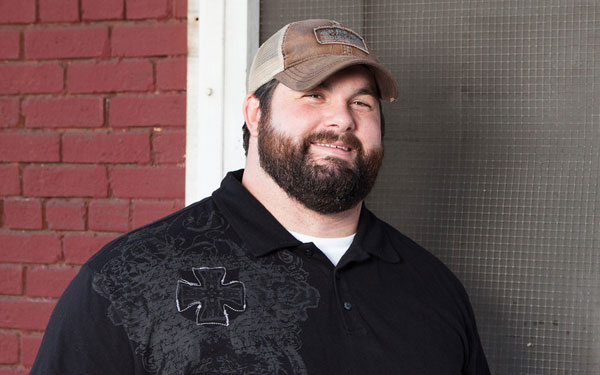
    Mike Jones

    How did you get into design? Was there a defining point in your career, and if so, how did it shape you as a designer?

    I got into design early on. I would say I knew I wanted to do something with computers and drawing but did not know what ’til it was time to pick a major in college (Go Wolves! – University of West Georgia!) I have always been able to draw really well, and it was fun, so I figured I would find something that I would get paid to do that never seemed like I was working. That’s everybody’s goal, right?!

    I will say that most of what I have learned about being a designer came from after college in the professional world. If I didn’t know how to do something I saw and liked, I would seek out the person that did it and pick their brain. It’s very rare that another designer won’t share a technique if your motives are humble and true. I basically picked the brains of designers that had rad skill sets. You are never to old to learn something new. So I still practice that today – if I see someone’s work on Dribbble, one of my most inspiring stops of my day, I will reach out to them and introduce myself and ask “How did you do that?”

    I can’t specifically pinpoint an exact event, but after our first conference last year and the good response I received from that and from all the Dribbble love I have been getting, it just made me want to go create more and just strive to get better everyday. I love design. I want to bring great design to my town and make a name for design in Columbus!

    How do you approach a new project? What’s your design process like?

    My design process… Well, it starts out with asking a lot of questions to the client, then I get to researchin’ – I go to the web, look to see what competitors in the market look like and what they are doing, then I make notes on all that, get out the trusty ol’ Moleskine sketchbook (I have to agree with Von Glitschka that drawing needs to be the foundation of every design) and start sketching concepts – so loose, then more refined, and then I present my sketches to the client – some don’t do this, and I guess I would know not to do it when that kind of client arises, but for now it works. They may or may not see something that sparks their “Oh yeah, that’s the right direction” response, but they might. Usually, they do and I go from there. Then it’s refining my sketch, redrawing for the last time and scanning into Illustrator (Adobe love – I am the Manager our Columbus GA user group.) I vector it out, throw it up on Dribbble to get feedback for myself & for the client. Then, finalize and deliver – Good times!

    Hook

    You create awesomely detailed lettering with a slightly retro feel. Where do you get inspiration?

    I get inspired by so many things & peeps. I could sit here and name off a ton but the desigers that inspire me most are Jeff Finley (I learned about doing hand-drawn lettering from him), Von Glitschka, Fraser Davidson, Todd Radom, Mackey Saturday, Emir Ayouni, Aaron Draplin, James White, Claire Coullon, Gert van Duinen, Nick Slater, Glenn Jones, Ryan Hamrick, Rogie, Francois Hoang, to just name a few. And all for different reasons! Dribbble is a great place to be inspired and inspire others – It’s part of my daily routine. Other things that inspire me: my kids, food (Oh yeah, food!) and, well, look around us – God is the best designer of them all, so his creation inspires me daily. The world around us – from our friends, to the label on the coffee cup, can bring you a spark of creativity! Keep your eyes open. Also I mentioned research in my previous answer – I love learning from what people used to do back in the day when computers where not used. Vintage has its place you can learn a lot and take a lot from those kinds of old designs and repurpose them.

    You run a design conference, Columbus Creative. How is organising this different to your usual work? What new challenges does it bring?

    It’s nuts, bro! I started this with my good buddy Daniel Severns last year. We are Columbus Creative, a Co-Op designing solutions to help non-profits get their design & web needs met. We also are the local Adobe Users Group and we started doing a conference last year to raise membership for our group and get our name out in the community. We had Jeff Finley of GoMedia and Von Glitschka of Glitschka Studios fly down and speak on design for the day. We got inspired to do this from 2 people: Francois Hoang who puts on Montreal Meets and Jeff Finley who puts on WMCFest. I thought, “Well, if these guys can do these rad events then why can’t we?” And we did just that. It’s a fun and tiring battle – You already saw what my daily routine is like, now add to that a ton more work during the Winter and Spring! There’s calling the vendors, coordinating funding through backers & sponsors, getting all the speakers to commit and all the swag designed and ordered. It’s not easy, especially with only the 2 of us doing all of it. But when it’s all said and done, we put on a rad event and bring something awesome and different to Columbus, GA! (I keep saying GA, because since Jeff is one of our speakers, people assume we are in OH, where he is from…)

    We want to get big enough to where we can make it into a two-day event and then eventually into a weekend long conference. It will happen, just watch! This year we bumped it up a bit: We added 2 more speakers, and lunch! And next year, it will be our first 2 day-er with breakout hands on training sessions as well as film screenings by my buddy Spencer Howard who runs Lightscameralists.com. So we are def. ready to up our game and get it to the level of WMCFest and Montreal Meets. All is all it tiring but a heck of a lot of fun and I get to meet some of my favorite artists to boot! I will give this piece of money-saving advice (Karen, don’t read this part): When you are booking tickets make dang sure your speaker knows he need to be at the airport – no-shows are very expensive! So, to recap, it’s not that organising the event is different to what I normally do, it just adds to the amount of what I normally do. Watch for us to get on the design conference map really soon.

    Popcorn Be Shouting

    If, in some Freaky Friday-like situation, you could live the life of another designer, illustrator or creative, for a day, who would it be, and why?

    Fraser Davidson – His work is so freakin’ boss! And it would be interesting to see what life would be like as a normal-sized person, haha! I would love his skill set. Bro doesn’t even need a sketchbook! Plus, I would get to chill in the UK for a day and eat some good eats. But it would only be worth it if the skills stayed on the switchback, haha!

    What design tools could you not live without?

    Software would be Illustrator & Photoshop. Books: The Bible, Vector Basic Training and my Moleskine sketchbook. And BBQ!

    Scorpion Hill

    So finally, what tips would you give to anybody who is looking to get started in design?

    You want to be a designer? While school isn’t the be-all-and-end-all of being a designer, it will ultimately rank you higher in helping place you in a job, but with that said, you could have a degree and your portfolio could suck, so yeah. Have a great portfolio, do the kind of work you want to get – If you want logos, do logos for everybody you know and make each one your baby. Sketch, sketch and sketch some more – Keep your sketchbook or scratch pad with you. You never know when or where inspiration will strike. Don’t ever hesitate to ask questions of someone who is better than you at something. And don’t forget to research, and know what you are trying to design for. And last but not least, love what you do! Be passionate about it. Don’t just get a paycheck, make waves: start a conference, do something that starts getting you noticed, or at least gets you out of your design comfort zone!

    Thanks Mike!

    Many thanks to Mike for sharing his thoughts with OMW. I genuinely had a lot of fun interviewing him, and I hope you love the interview as much I do!

    Why not check out Mike’s site, and follow him on Dribbble and Twitter?
    Related Posts:

  9. One Minute With… David Cran

    2 Comments

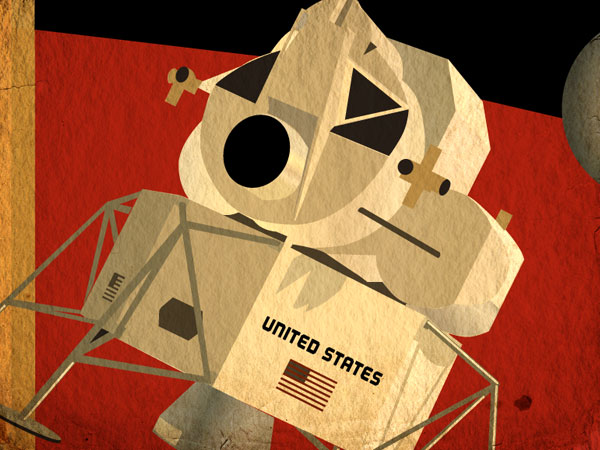
    Lunar Launch

    Hi David, thanks for taking time to chat with One Minute With. Tell us a little bit about yourself and your work.

    Thanks Conor, I am glad you like my work. I was born in Australia, too late to be a baby boomer, but too early to be of Generation X. I did however go to The Emily Carr School of Art And Design in Vancouver with Douglas Coupland who coined “Generation X”.

    I have lived and worked in Australia, New Zealand, USA and Canada. Growing up in Australia in the 1960’s was like growing up in the 1930’s in North America. In Queensland they did not even have daylight savings time because they feared that their curtains would fade from the extra hour of daylight.

    In the schools, we used desks that had actual ink wells in the corner and this was when I first started to draw with a fountain pen. When I got bored I would put the hair of the girl in the desk in front of me in the inkwell and watch the capillary action.

    Once, as a boy, my Grandmother had a fortune teller read my tea leaves and she told me that I would work with computers when I grew up. This was very puzzling to me and I pictured myself dusting off my white lab coat and loading a reel of tape on to some giant machine.

    My first exposure to computers came in 1978 when I graduated from Mercer Island High School in Seattle and a friend had an Apple II. At that same high school I was diagnosed as artistic by an incredible art teacher, Ron Adams who told me that some people actually got paid to make images. Later in art school I had a Commodore PET, then an Amiga and a short while later the first Macintosh.

    My style has been labeled nostalgic, retro and vintage, but my influences simply come from the graphic images and pop art that I grew up with. I specialize in logos, branding, screen printing and illustration.

    I am half Irish and half Scottish, so I like to drink, but I don’t like to pay for it.

    Walk us through a typical day in the life of David Cran.

    I get up early no matter what. I read the newspapers online from every town I have ever lived in. I go on Dribbble and Flickr. I read my e-mails, but I never answer them in the morning. I make myself an espresso on my 1963 Atomic stove top coffee maker.

    Then If I am in Vancouver I walk one of the numerous trails without a cell phone. This is when I start planning how to draw the ideas that have come to me during the last night’s sleep. If I am in Seattle I visit Bruce Lee’s grave and then go canoeing in the arboretum.

    I then return to my home studio and hit the computer. I listen to music all day.

    My wife or my son Riley will occasionally stop by to critique my latest creation, Riley being a full captain with the Kerning Cops.

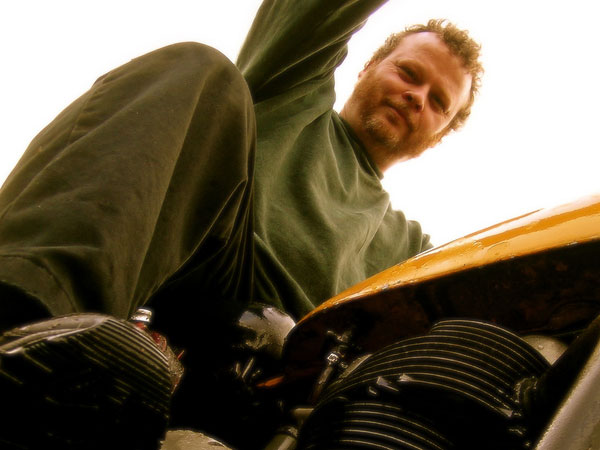
    David Cran

    How did you get into design? Was there a defining point in your career, and if so, how did it shape you as a designer?

    Although I had always had a fascination with logos and branding, I went to art school to major in photography and film making. The darkroom was located next to the graphics department, but that area was considered off limits to any self respecting fine artist. Graphics was for geeks with sheets of Letraset, but I soon noticed that all the hottest girls in the school took typography.

    One day while I was waiting for my film to develop I wandered downstairs into the printmaking department and I liked it so much that I never left. Screen printing then became my obsession, which would later lead me to create colour separation software called Screenprint Separator and then inkjet film positives. After art school I married one of the girls from typography and I needed to make money, so I founded one of Vancouver’s first t-shirt printing companies. We made everything by hand until I borrowed some funds from a client and bought my first Mac with a laser printer. Business took off and we were soon printing 80 percent of the shirts sold at Whistler and Blackcomb mountains.

    Then my friends from art school who were by now working in Vancouver’s burgeoning film industry started asking me to design and print props. In those days there were no colour printers, so we screen printed everything like signs, newspapers and fake cereal boxes for use on TV shows and movies.

    The demand for movie props drove me to draw my own fonts, because in the early days there were only about 10 fonts for the computer, 3 of them were “clown heavy”, “barf bold” and “Helvetica”. Soon I was designing fake logos for television episodes of Wiseguy and 21 Jumpstreet where I met a wonderful guy named Johnny (Depp).

    This led me to doing real logos and business boomed. Soon I bought one of the first colour computers, the Macintosh II with a blazing 12 megahertz and a massive 40 megabyte hard drive. I used to load that beast into my car and drive it home every night so I could continue working.

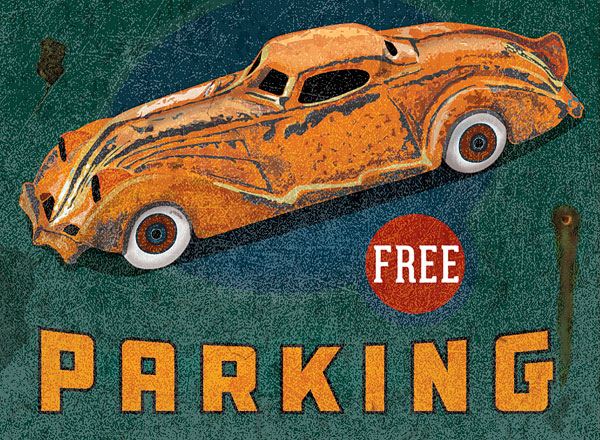
    Free Parking

    How do you approach a new project? What’s your creative process like?

    That is a tricky question. Sometimes an idea comes quickly from out of the ether. Sometimes I have to think for a week. I always thought that as I got older, the good ideas would be harder to find, but this has not turned out to be the case.

    I rarely look at other logos for inspiration. Digital photography has proven useful for Illustration. When I draw in vector, I often start from a blank page and start experimenting until I have something interesting.
    Then I make numerous corrections until it looks right. I listen to my customer. I think about of my customer’s customer.

    You have to be willing to scrap some work no matter how much time it took.

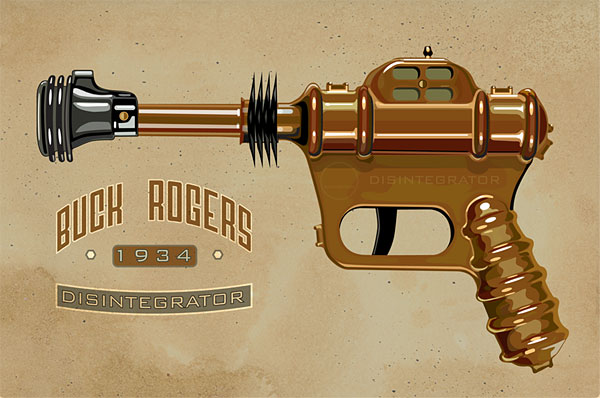
    Buck Rogers

    Your son, Riley, is also a graphic designer, and a fantastic one at that. How important was it, to you, to pass on the torch to the new generation? Do you ever hope/fear that he will one day surpass you?

    I raised Riley to be an artist. Music was a big part of that. Its something that we have in common in a huge way. He can really play the guitar and I thought that he might become a professional musician. Now, he has entered the graphics world. I could not be more proud of his work and great success. Certainly the Lost Type Co-op has become a web phenomenon.

    He has already surpassed me in many ways, and that is why I had a son in the first place.

    I came from a family of accountants, writers, lawyers and soldiers so I am happy to see Riley continue with my graphic heritage.When I told my Dad that I was going to art school, he said in his heavy Australian accent “Is there any dancing at this school, son?”

    Logos

    You’ve had a long and illustrious career spanning over 30 years. Having seen dozens of trends come and go, and new technologies change the industry, where do you see the design industry going in the next, say, 5 or 10 years?

    For the first decade I worked on a computer that was not even hooked up to the internet. My first scanner was black and white. My first copy of Photoshop was given to me by Adobe on a floppy disk. We used to add texture by taping prints from the laser printer to the road outside the studio and waiting until after rush hour to retrieve them.

    During all of that, I thought, “Wow, this is great!” I would wish for a few special tool additions to Illustrator, but I really could not imagine the changes that we see now.

    The way we can send what we make over the net has created a whole new community that never existed before. This connection will continue to strengthen graphic design as a career – we can now work globally.

    I feel that Illustrator and Photoshop have about all the features that anyone would need. The next big drive should be a massive change to how user friendly graphics software is. I can’t imagine learning Illustrator and Photoshop from scratch today. It might be easier to learn the operations manual of a Trident submarine.

    If, in some Freaky Friday-like situation, you could live the life of another designer, illustrator or creative, for a day, who would it be, and why?

    I would be a designer at Guigario or Carrozzeria Ghia SpA. I have a passion for vintage cars and most weekends you can find me covered in grease with a small gash on my forehead.

    David's Workspace

    What design tools could you not live without?

    Well, I tried running Photoshop on an abacus once with no results, so I could not carry on without a Mac.

    Digital camera, Dribbble and Flickr. Chardonnay. My assistant mouse-riding lovebird named Apple.

    Oxygen.

    And finally, what tips would you give to anybody who is looking to get started in design?

    This life is not for idle types or wimps.

    Graphic design can be cruel.

    Work your ass off, but be polite, even when you are tired and crabby.

    Don’t build a giant ego.

    Don’t copy other designer’s work – they will find you.

    Never answer e-mails first thing in the Morning (think about it first).

    Don’t use Helvetica.

    Above all, consider yourself lucky to have this job, keep your sense of humour and don’t sit for long periods.

    Stay out of Portland.

    Thanks David!

    Thanks a million to David for chatting to OneMinuteWith! I loved talking with him, and hopefully you enjoy his answers as much as me!

    Why not check out David’s site, and follow him on Dribbble and Twitter?
    Related Posts: