Author Archives: Conor O'Driscoll

About Conor O'Driscoll

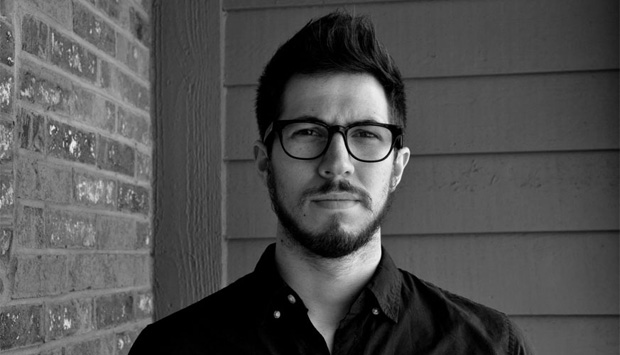
Conor O'Driscoll is a designer and writer, who writes for AppStorm.net. He also enjoys writing about himself in the third person.
  1. One Minute With… Allison Grayce

    Leave a Comment
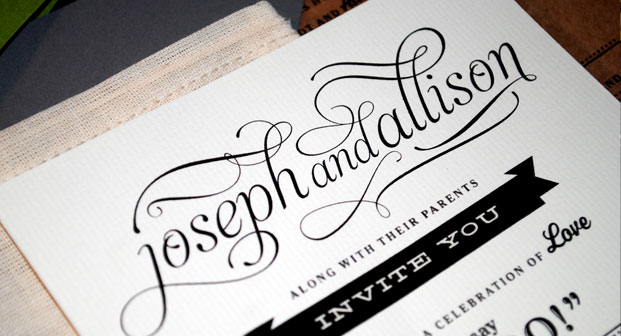
    Allison's Wedding Invites

    Hi Allison, thanks for taking time to chat with One Minute With. Tell us a little bit about yourself and your work.

    As the daughter of a programmer and graphic designer, I’ve had an innate interest in web design from a young age (and a convenient copy of Photoshop on the computer since I could remember). After years of late nights procrastinating schoolwork by designing and coding diary layouts, (remember Xanga? Live Journal? Haha) I eventually realized web design was what I should pursue as my career. I enrolled at the Art Institute of Tampa for Web Design & Interactive Media, graduated and haven’t looked back since.

    Fast forward to today, and I’m currently residing in Orlando, FL, where I work as a designer/teacher with Carsonified’s Treehouse team.

    Walk us through a typical day in the life of Allison Grayce.

    Monday through Thursday I generally wake up around 7am and check my email, texts & social networks while still laying in bed of course. I get ready for work while drinking several cups of orange juice (I could live off OJ alone, seriously), take my Australian Shepherd, Proximo for a stroll and then walk to either the office, a coffee shop or back to my apartment to work for the day. Wherever I end up, I’ll drink a couple cups of coffee and dive into the day’s work by mid-morning.

    At Treehouse the teachers have set days for when we record our classes, so on off-days I’ll be writing content, researching, or designing.

    Somewhere around 6pm (depending on the workload) I’ll head home and work on either freelance or my own projects, while watching episode after episode of some sort of show (Mad Men, The Office, Fringe, and The Tudors to name a few). If I’m not in front of the computer I’ll be cooking, doing something crafty, hitting up happy hour in downtown Orlando, or driving back and forth to Tampa to visit family and plan for my wedding in November.
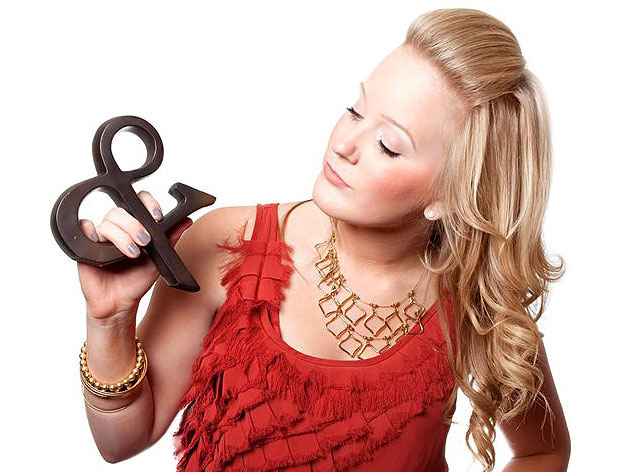
    Allison

    How did you get your first design client?

    In the beginning, most of my paid freelance clients were friends, family, coworkers or friends of friends. (I quickly learned these were some of the most difficult clients to work with!) My first design job was at a print shop, where I designed car wraps, signs, billboards, etc. During my sophomore year of college, my professor hired me on as a designer for his agency, where I would work for the next few years. The rest is history!

    How do you approach a new project? What’s your design process like?

    Like most designers, my process is always ever-changing and maturing, but with every project I try to always follow the same general approach. I’ll spend more time on different stages in the process depending on the budget and timeline, etc.

    First I enter what I refer to as the “Discovery” phase. During this time I perform research, create moodboards, and sketch based on a creative brief. You’ll likely find tons of papers from UI Stencil’s Browser Pad, Sharpies, and design books scattered around my desk during this time.

    Once I’ve defined a direction for the project, I’ll enter the “Design” phase where I’ll refine the wireframes I sketched out in Photoshop. I’ll literally create boxes and work in black and white. I get all the required content on the page from the navigation all the way to the footer. This way, I’m aware of any layout problems early on before spending too much time on little details like texture or color.

    After getting client sign off, I’ll move into the “Design Refine” phase, where I’ll start applying color, texture, and other design elements (the fun part!). This phase usually lasts the longest, with the most time consuming, detail oriented work.

    From there I’ll enter the “Develop” phase, which is pretty straightforward. It’s the most rewarding stage for me personally, where you see your vision and creativity come to life. Also by then I’m ready to switch on my left brain and take a break from design.
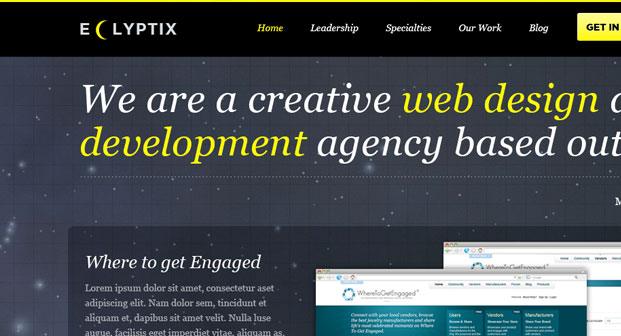
    Eclyptix

    You have a fun, colourful style with a lot of character. Where do you get inspiration?

    I’d like to say my design work is inspired by an era in time, by nature or something cool like that but honestly, my inspiration happens naturally from project to project. I try not to over design things or overwhelm myself seeking for inspiration, but to create an online environment for the brand to naturally exist. If the copywriting is strong, and the brand evokes emotion, a clear direction for design most always follows suit.

    A lot of people first discovered you through your stunning wedding invitations that you designed for your own wedding. How different is it to design with yourself as the client?

    I was my worst client ever! Thank god you only get married once. There’s a lot of pressure designing for yourself because there are no limitations, no constraints and high expectations. I must have changed my mind a hundred times before committing to just about anything. Even now, I look back and see little things I would have done differently, but I’m happy with how they turned out.

    Ultimately, my fiancé had to remind me that Grandpa Joe won’t care if the invites were letterpressed or not, or if the font was serif or script. But trust me, it didn’t stop there. Everything from flower arrangements to linen choices have been tough to commit to as a designer.

    My advice – hire someone else to do them! Haha.
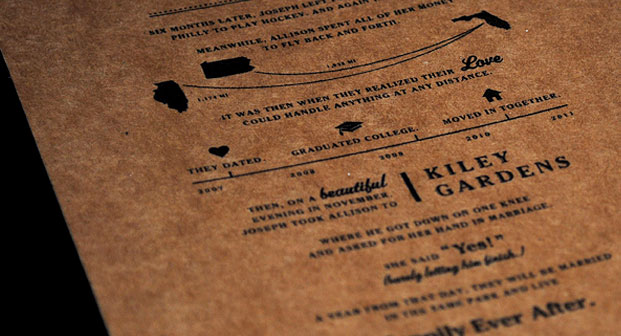
    More of Allison's work

    You recently joined the Carsonified team. What exactly are you working on, and how does it differ to client work?

    Treehouse is the major re-imagining for Carsonified’s Think Vitamin Membership. Official launch is on November 7th, so I definitely joined at a very exciting time when they’re experiencing a lot of growth. My new position is different from anything I’ve ever done, which is both exciting and challenging at the same time. Whereas before I spent my entire day behind the computer screen dedicating my time to clients, I’ll be instead in front of a camera teaching my peers about design.

    Without clients to design another banner ad for or another landing page for like at a typical agency, I’ll be able to dedicate more of my time toward valuable research, design exploration and copywriting (which has always been an interest of mine!) to further educate myself and others. How awesome and rewarding is that?

    What design tools could you not live without?

    Without my Moleskine I think I’d forget everything. I’d obviously be lost without Adobe Creative Suite (at least Photoshop & Illustrator) and some sort of font management software (I’m anal about organizing my fonts by style). As far as websites, Twitter has proven to be the most valuable communication tool, while Dribbble and Pinterest are constantly inspiring me.

    I could live without my iPhone, in fact I might be happier without it. It’s navigation system is going to be the death of me.
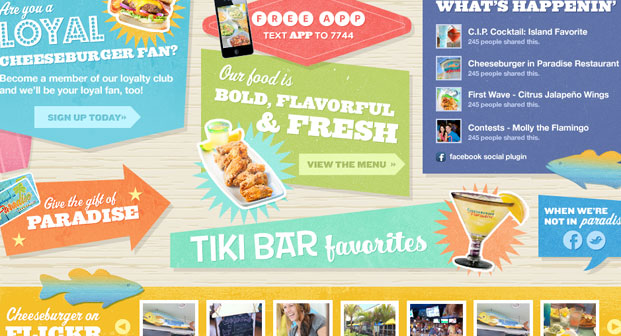
    EVEN MOAR AWESOME WORK!!!

    And finally, what tips would you give to anybody who is looking to get started in design?

    Network, network, network! Even the most talented of designers won’t meet their ultimate potential if they’re hiding behind a computer. Attend local design conferences and meetups, and introduce yourself to everyone, and treat everyone at these events as if they were potential clients or employers.

    Sites like Twitter and Dribbble have made it possible to reach out to top notch designers, agency founders, creative directors, etc. Take advantage of opportunity and reach out to them. Ask them questions and advice.

    Don’t constrain yourself to only one area of expertise. For example, If you’re a designer and don’t want to learn how to code, at least be aware of how you can design more efficiently for the development process (and vice versa!). Even basic knowledge and appreciation for something outside of your expertise will set you apart.

    Thanks Allison!

    Many thanks to Allison for taking some time to talk to One Minute With. I loved talking to her, and hopefully you enjoyed her insight!

    Why not check out Allison’s site, and follow her on Dribbble and Twitter?

    Related Posts:

  2. One Minute With… Drew Wilson

    1 Comment

    Valio

    Hi Drew, thanks for taking time to chat with One Minute With. Tell us a little bit about yourself and your work.

    I started off doing design at an early age and moved into doing graphic design on the computer around ’95-ish. I made my first website around ’96 and have been building websites ever since. I’ve considered myself a designer all along, but then I started getting into development around 2002 – Diving into PHP, and then it took off from there. Now I do both – Both design and development.

    Walk us through a typical day in the life of Drew Wilson. When it seems like you’ve created about 5% of the entire internet, how do you find time to relax?

    A typical day: I wake up, like most people (I do sleep). I have a son (1 and a half years old) so I hang out with him and the wife in the morning for a while before I go to work. He gets up early so we’re up for a couple of hours before I go to work which is actually in my house, in my office – I don’t go very far – I’m very fortunate, and my wife doesn’t work, so she gets to stay at home with my son. It’s a pretty cool situation: I just work in the house, and I cut off at about 5, like most people, and hang out again with the fam – We do some things, eat dinner, and then usually I’ll hang out with my wife afterwards: Watch a show or something, and then, if I have something pressing to do, I’ll do some more work at night before going to bed.

    That’s typically how it goes down, but I also consider health a big deal in my life. We eat really well, and one of the main things that I do, and I would encourage other people to do, is to make sure to get plenty of physical exercise, because the kind of job I have, that we have as designers and developers, slowly kills our bodies because we’re sitting down all day long, for so long. We’re definitely not meant to do that: tons of bad things happen to your spine, weight, heart, and health in general – it deteriorates your body much faster than it should, so I make sure to work out as often as I can – I do that multiple times a week: I ride my bike to the workout spots 4 miles away, do an hour, and then ride back.

    Drew

    How did you get into design?

    My dad has a comics and collectibles business where he buys and sells really old comics. He had the first mail-order catalogue in that industry, back in the late 80s. He would take photos, print them out, and paste up his catalogue on a sheet of paper, and then have the newspaper place run it. That was super old school, so then he moved on into computers when Adobe Photoshop 2 came out, so I’ve been exposed to Photoshop since around version 2. I was a young kid at that time so I didn’t do much – Just played around with it a little bit. I started doing graphic design because of the fact that my dad had owned that software. I grew up on Macs, and when I was 15, I actually bought my first computer, with my own money. It was a G3 tower, about $5,500, so it took all my savings (I had two jobs at the time)

    You have created some absolutely massive self-initiated projects, including Pictos and Screeny. How does working for yourself compare to working with a team or with a client? Which do you prefer, and why?

    Let’s get this right out there – I can’t stand client work – That’s why I moved away from it. I was never in a position where I could do that before, so it’s not like I moved away from it because I could – I couldn’t: it took a little while for that to happen. Pictos enabled that to happen: I had no idea that it would be super-successful, but it was. It enabled me to move away from client work completely, and now I am able to just focus on apps and ideas that I have, and make those things happen. This takes a long time, being a one man team, so I do like to work with other people, but it’s very difficult to find people who are in a similar position as myself where they have a lot of time to spend on making apps and don’t have to worry about spending time to make money. It’s difficult to find those kinds of people, because I am not in a position where I have enough money to pay somebody fulltime, otherwise I would.

    Screeny

    From web design and development, to Mac app design and development, and a little bit of icon development on the side – You’re a master of many trades. If, in some crazy hypothetical universe, you could only do one – Which would it be, and why?

    Haha, let’s pretend this doesn’t exist right now! No, if there was some crazy, Twilight Zone world I had to get sucked into, I would prefer to be a designer, and just do interface design. I just love coming up with concepts, and designing things. It doesn’t necessarily have to be web work, or app work, or anything like that – It could be some little cool poster-dealio. I like messing with photos as well.

    You’ve organised Valio Con, a design conference in California. How was creating this different to your usual ventures? And how is Valio Con different to most design conferences?

    I have done a lot of event planning in the past at one of my previous jobs, and it’s definitely a different beast, because rather than thinking about the experience that someone’s going to have, in their home, by themselves, you have to think about an experience you want to create in a real life situation – There’s a lot of new variables and challenges in it, but it’s super fun.

    Valio Con is different from other conferences in that it has a small feel, although there are other ones with small feels. Valio Con includes the hotel cost in the price of the ticket – Everyone stays in the same location, so there’s this really cool vibe everyone gets because everyone’s together, hanging out, constantly – Nobody’s by themselves in their room doing nothing. It’s a great time to meet people, and to network. Even though it’s a short amount of time, you really get to know people really well because of the fact that you’re with each other all the time and doing more than just sitting in a conference room. There’s a lot of cool activities we have that people can do.

    Pictos

    Where do you see yourself, in, say, 5 or 10 years? Do you still hope to be doing the same thing, or do you wish to have moved on to something else?

    In five years, I hope to see myself with enough money to continue doing what I’m doing, but on a larger scale. I have a lot of really big ideas that I want to do, but I just cannot do them because I don’t have the money to hire people, and it’s very difficult to get funding. Even if you do get funding, there’s a lot of things you have to give up. I’m not talking about equity in your company, I’m talking about creativity, and having to worry about making good on the investors’ dollar, and you can’t shift focus too much. I just want to do the things the way I want to do them. That would be easiest and best for everybody if I could just afford to do it myself, so hopefully one day I’ll be at that point where I can take on these larger ideas that I’ve had.

    What design tools could you not live without?

    If I was stuck on a desert island, I would have to have my iMac, Photoshop, and really any text editor would be good, but if I chose one, it’d probably be Coda. Just those three and I’d be good to go.

    Screeny's Website

    And finally, what tips would you give to anybody who is looking to get started in design or development?

    It’s definitely a different community from when I started – There are infinite amounts of resources. When I started there was just Webmonkey, and that was about it.

    I would say the best thing you can do is probably hop on popular websites like Dribbble, Twitter, and start following the people who are doing really cool things. There’s a lot of them out there, some who aren’t very well-known. See what they’re doing and keep up with that stuff, because that will expose you to so much about how the industry works, about how the community works, all that kind of stuff.

    And of course, refine your skills: If you enjoy design more, refine that; if you enjoy development more, refine that, but I definitely suggest everybody have a well-rounded skillset, so that they understand how the server works, they understand how the browser works, and they understand how the design works, so that way, no matter what path you choose, you’re much more effective in the field you go into.

    Thanks Drew!

    Thanks a million to Drew for talking to me! I really enjoyed talking with him, and hopefully you love his answers as much as I do!

    Why not check out Drew’s site, and follow him on Dribbble and Twitter?
    Related Posts:

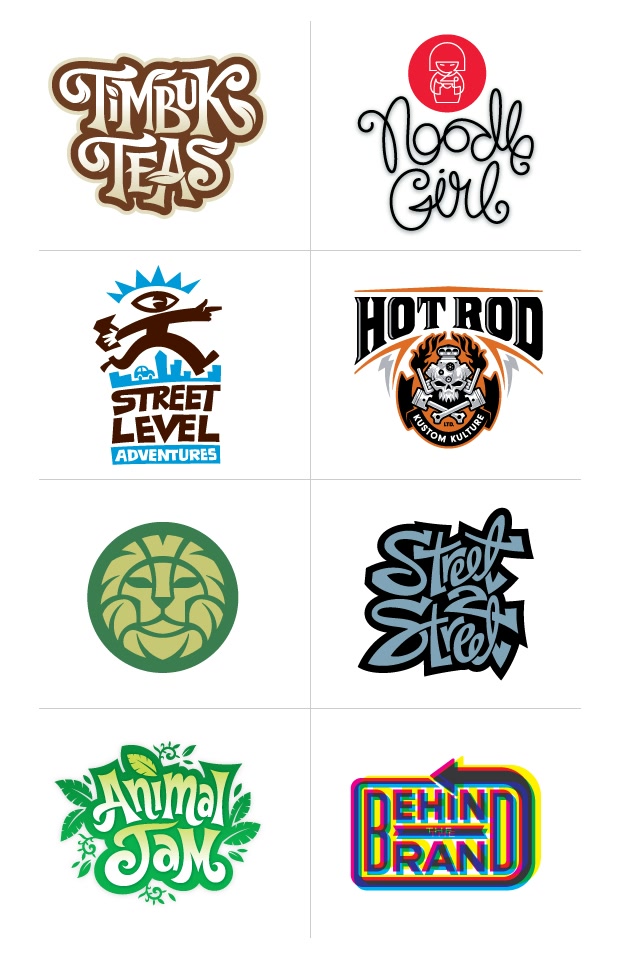
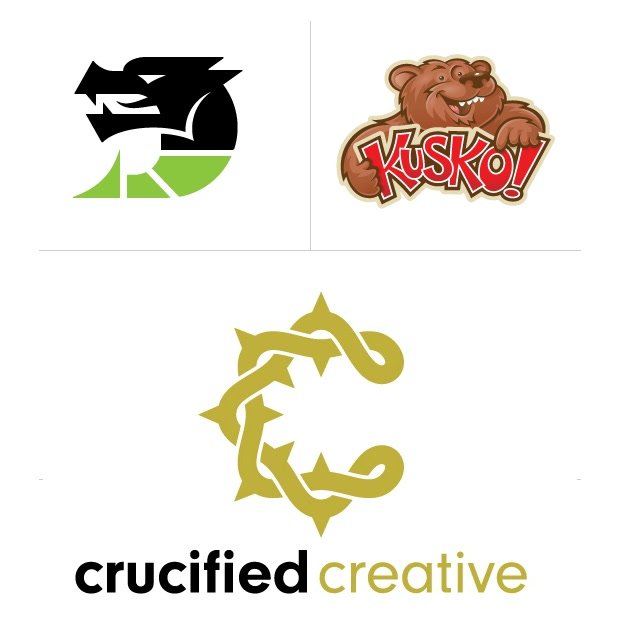
  3. One Minute With… Von Glitschka

    Leave a Comment

    Hi Von, thanks for taking time to chat with One Minute With. Tell us a little bit about yourself and your work.

    I’m an independent creative working out of my home studio in the pacific northwest in the state of Oregon. The large majority of my work is in the capacity as a hired creative gun for other larger design firms and ad agencies. My niche is working on design projects needing an illustrative twist to them. That said I also manage my own client accounts and partner with other creatives to pitch larger projects as well.

    The work I produce is everything from brand logo development and identity, illustration, iconography, art direction, and marketing. I also juggle a handful of personal creative projects that include design books and speaking engagements.

    Walk us through a typical day in the life of Von Glitschka.

    – Wake up and scan email via iPhone
    – Eat some frozen blueberries with vanilla yogurt and respond to any email
    – Almost choke on said blueberries when a stupid client responds to my design
    – Make a coffee run to Starbucks
    – Review the days creative hit list
    – Multi-task while procrastinating (Check email again, Twitter, RSS Feeds, Repeat)
    – Drink coffee
    – Look at my cat and get jealous because she’s sleeping
    – Finally open up a project folder and get started
    – Take another drink of coffee
    – Almost do a spit-take reading news feeds about dumb-ass politico’s
    – Launch Chrome on second monitor and watch a film noir why I work
    – Curse at Adobe Ai for crashing and post rant on Twitter to sooth rage
    – Creative juices begin to flow….hey, it’s lunch time!
    – Check email again, wonder how much a typical SPAMMER makes in a year?
    – Coffee now room temperature and almost gone
    – Now watching “Fringe” on TiVo and continuing to work
    – Realize again I need to re-organize my address book (Maybe next year?)
    – Out of coffee now. Start to fantasize about a “Replicator.”
    – Go into “Mole Mode” (No internet, email, phone)
    – Liking my design direction so far
    – Finish project and send off to client
    – Decide to go grab another cup of coffee and continue watching TiVo
    – Work on some minor revisions on an ongoing design project and send off
    – Checking web stats on my site
    – Really should start on that other job due soon (Will procrastinate a little more)
    – Daughter comes in studio tells me about her day
    – Something witty streams my mind, post it on Twitter and discuss
    – Watch video online and decide it’s Twitter worthy and share a link
    – Reply to replies on Twitter
    – Still think Google+ is just a glorified Buzz
    – Does anyone use Ping?
    – What was I doing? Oh yeah.
    – Open up new project file
    – Wow! It’s 5pm already? Time for dinner.
    – 5pm to 10pm hang out with family.
    – Read on my iPad (Bible, industry sites, RSS streams, news etc.)
    – Once family goes to bed I usually hang out in my studio
    – Work and catch up on podcasts
    – Do a lot of deep thinking, sketching, planning, and vector building
    – Talk to my cat as if she can understand me
    – Check MLB highlights on my iPhone and crash

    How did you get into design?

    I initially looked into the movie industry but since that was prior to the internet I couldn’t really find any school for that so I knew I loved art and focused on that instead. I still have plans to pursue film at some point though.

    How do you approach a new project? What’s your creative process like?

    Once I quote a project and it’s budget is approved I send out a creative brief, follow up with questions, and more questions. Once I have everything in hand I than just sit on it for about five days and let it steep in my mind. Once ideas start to form I begin sketching, writing, and composing the thoughts into a coherent narrative visually. If it’s an agency most like to see what I call “Close to final” comps. So I do the same for non-agency clients too, this helps them avoid not being able to understand the direction. They fully understand what it could be and that helps sell it to them.

    Of course this varies from one type of project to the next. In general for logo identity work I follow this structure.

    You have a surreal, but oh-so-fun, feel to many of your illustrations. Where do you get inspiration from?

    I’d say my creative nucleus has several elements revolving around it.

    – Creativity: I strive to provide ideas beyond expectations.
    – Versatility: I can easily adapt to any style needed for the given project.
    – Dependability: I’m dedicated to deliver on time and on target.
    – Humor: Whether sophisticated or novel my work tends to be reflect “Fun.”

    As far as the source of creativity for me, it all comes down to being curious. When you stay continually curious you can’t help but discover new things and new potential for creative exploration. So designers should replace fear with curiosity and that in and of itself will help them stay inspired and grow.

    I personally first discovered you through the wonderful, but sadly defunct [sic], Freelance Radio podcast. How important to you is involving yourself with the community, be it through podcasts, Twitter, blogs, public speaking, or any other method?

    Well Envato didn’t do a good job of informing former listeners that the show still lives on. Dickie Adams, Kristen Fischer and myself still do the podcast. You can listen to it here.

    It’s too easy to become comfortable and isolated as a designer whether you’re an independent or work within an agency or in house departments. You have to stay relevant and that means consuming current information through online design portals like Twitter, facebook, blogs and design events large and small. With the internet there is no excuse not to be plugged in. It’s fun to make connections with like minded designers online and it’ll help you push yourself to move into new arenas too.

    I understand that the worlds of illustration and graphic design are worlds apart . What have been your experiences with this? Is there one side of the coin you prefer over the other?

    I see myself working under the larger banner of “Graphic Design” and even though most illustrators would consider illustration it’s own industry I’d argue that it’s in reality just part of the graphic design industry. If it wasn’t for graphic design illustration wouldn’t flourish.

    Too many illustrators just flat out refuse to accept this reality. Most still operate with an outmoded mindset regarding how illustration fits into the big picture of design.

    I love doing both. Most of my work has illustrative aspect to it but that said I also do pure design too. I also at times do purely illustration such as an editorial illustration for a publication. But I prefer a mix of both and that has become my forte in my business. I leverage both to achieve the creative task at hand.

    If someone put a gun to my head and said pick one I’d have to pick illustration. But in reality it’s a false question because good illustration uses design logic IMO.

    What design tools could you not live without?

    Easy: Pens and paper. Even though I work digitally everything starts in analog. This is kind of the fundamental premise behind my book Vector Basic Training. It reinforces the importance of drawing, and that drawing does and will improve your design.

    That said I’m pretty attached to my Apple products. Been a Mac geek since day one hacking on green monitor Apple II’s in high school, writing my own programs with Apple basic etc. Apple is such a big facilitator of my creative, I can’t imagine doing what I do without Apple though.

    And finally, what tips would you give to anybody who is looking to get started in design or illustration?

    I don’t care if you ever want to be an illustrator. You simply have to draw. Make it a creative habit not just in your workflow from 9 to 5 but in your creative life. Carry a sketchbook and a pen or pencil with you. Don’t worry about how lame you think your drawing is, just start. Good news is you’ll never get worse, you can only get better. The better you get at drawing the more it’ll positively influence and improve your design and ability to execute more unique ideas too.

    Remember, drawing is fun. It’s not about being accurate, anyone can spend hundreds of hours drawing realistically but that isn’t the point, it’s about capturing ideas and exploring things. Who cares what style it is, just do it. You did it as a kid, so crank it up again and watch how it energizes your creative mind. Have fun.

    Thanks Von!

    Thanks a million to Von for talking with One Minute With. I loved talking to him, and hopefully you did too!

    Why not check out Von’s site, and follow him on Dribbble and Twitter?
    Related Posts:

  4. One Minute With… Seth Nickerson

    3 Comments

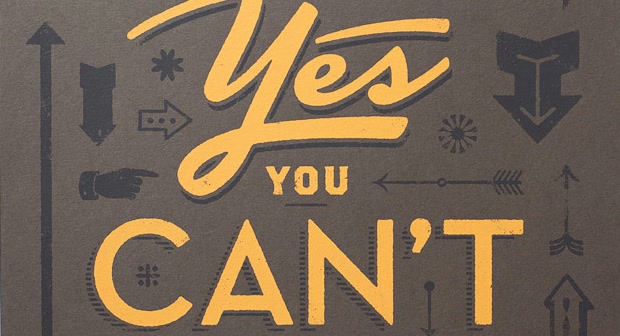
    Yes You Can't

    Hi Seth, thanks for taking time to chat with One Minute With. Tell us a little bit about yourself and your work.

    I’m a designer in the Washington, DC area. I’m drawn to typography, illustration, and branding, but overall I just want to do good, meaningful work with lasting value. I’ve been practicing professionally for a while, but I don’t feel like I have anything figured out yet. I didn’t get a great formal design education, which makes me self-conscious at times, but also drives me that much harder, since I know I’m at a disadvantage. I’d like to think that I’m a bit of a late bloomer and I’m just starting to hit my stride. I hope to still be churning out work in my 80’s like Paul Rand, or Seymour Chwast and Milton Glaser.

    Walk us through a typical day in the life of Seth Nickerson.

    I like to start every morning by waking up. It’s a great way to start the day. After that, I eat a large breakfast and lament the fact that I have to face traffic in a car instead of commuting by jetpack. The commute does give me a chance to listen to music or podcasts though, so it’s not all bad. Usually the office is quiet in the mornings, so after I take a few sips from the Internet Firehose, I try to use that to my advantage by allowing myself to get absorbed in a project. There’s no specific routine after that, but distractions and interruptions always seem to abound in the afternoon. In the evening, I spend a little time with my kids and then usually work until tiredness overcomes me or I force myself to stop and go to bed. My evening work is split between freelance design and helping my wife with the photography business that she runs. In the gaps, I try to fit some reading, sketching and exercise in, usually failing.
    Seth

    How did you get your first design client?

    Well, I guess the first-ever “design” project I did for a client was laying out the award certificates that the local elementary school handed out at the end of the year, when I was maybe 15 years old. I can’t recall for sure, but I think my mother was instrumental in helping me land that gig. Thanks Mom.

    How do you approach a new project? What’s your design process like?

    It depends on what it is, but if possible I like to take a few days and just think and do research. I find that thinking about a design problem while I’m doing routine things during the day usually generates better ideas than trying to force the thinking only while I’ve got a pencil or mouse in my hand. Then I sit down and commit some of those ideas to paper or the screen. I usually go back and forth between sketching on paper and on the computer. Each feels like it opens up its own directions and possibilities, and when I’m using only one or the other it can feel limiting.

    It’s easy to stray off target from what the project calls for, so to reign myself in, I write some key words or phrases in the margin. Doing some word association based off of those key words can work wonders, too, in helping to visualize or combine concepts. Then I always go back at some point and think critically about the work, trying to look at it from different points of view and justify each decision. I never want to be caught off guard by a client asking why some choice was made.
    Iron Range Yard Sales

    Your work has a quirky, retro feel to it – The perfect blend of the old and the new. Where do you get inspiration from?

    I’m still finding my style, but I’m a quirky person and I guess that comes out in my work. Chuck Close said “Inspiration is for amateurs; the rest of us just show up and get to work.” There’s a lot of truth to that, I think. There are some days when I feel more inspired to make things than others, but I think there are a lot of misconceptions today about inspiration and creative work. Influence and inspiration are two different things to me. Of course, I love poring over envy-inducing portfolios and design blogs, but I can just as easily feel inspired by reading Calvin and Hobbes strips, or listening to an album I love, or going to the library.

    Much of your work ties in with the current design trend of retro hipster design. Did you knowingly fit in with the trend, or was it a natural evolution? And how important are trends to the progression of design, do you feel?

    It’s hard to say. I think mostly it is a byproduct of that type of design playing to my strengths. I’ve always admired people who can strip something down to a simple but still distinguishable form. There’s also all this great design from past eras making its way online and getting easier to access, which has given me a deeper appreciation for design’s history. I like to evoke nostalgia in my work since it’s such a powerful feeling, but I try not to aim for vintage or retro for no reason at all. Hopefully it makes sense for the purpose of each design.

    Trends in general are very important to design progress. “Trendy” design shouldn’t be a negative label, but it can be problematic when designers get overexposed to the same content and just use a popular trend as a shortcut for real design thinking.
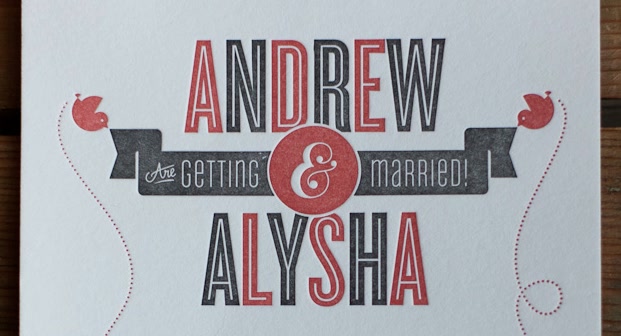
    Wedding Invite

    You have worked pretty extensively with both web and print. Which medium do you prefer, and why?

    I don’t think I have a preference. If I do, it will probably change next week. There are so many exciting things going on in web design right now, and I love that you can reach a much wider audience by designing for the web. But I like the finality of print, and it still affords more control.

    What design tools could you not live without?

    Technically, I don’t think I would drop dead without any of these, but here are some things I rely on:

    Wacom tablets—I have one at the office and one at home. They’re not even the nice ones, but I have some carpal tunnel problems in my right hand and I’m naturally left-handed, so I alternate between the tablet and mouse.

    Dot Grid Book

    Scanner—Scanning sketches, old books, textures…it still gets a lot of use.

    DSLR and macro lens—One of my favorite things has become documenting a printed piece with a macro lens or a prime lens.
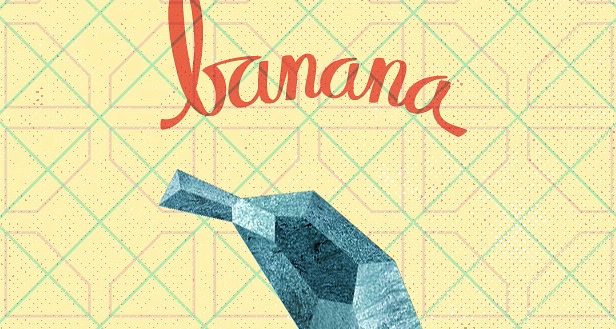
    Banana

    And finally, what tips would you give to anybody who is looking to get started in design?

    Observe everything around you. Experiment. Stay humble. Find things you love, then find out everything you can about them. Who created them? What else did they create? Try to go back to the source. Don’t worry about tools, worry about taste. Be nice to people. And lastly, don’t listen to people who give out lists of advice on the Internet.

    Thanks Seth!

    Many thanks to Seth for sharing his thoughts with One Minute With. I really enjoyed his answers, and I hope you love the interview as much I do!

    Why not check out Seth’s site, and follow him on Dribbble and Twitter?
    Related Posts:

  5. One Minute With… Matt Braun

    Leave a Comment

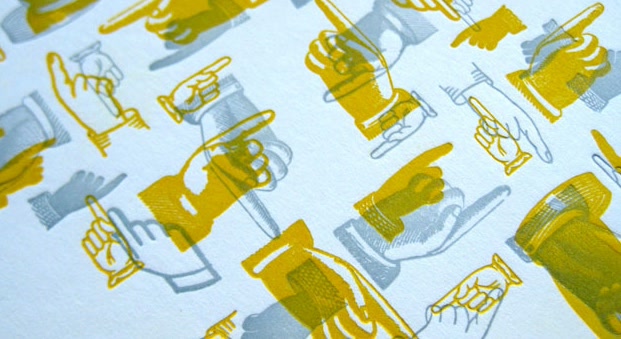
    Some Hands from Matt

    Hi Matt, thanks for taking time to chat with One Minute With. Tell us a little about yourself and your work.

    I am a designer, typographer, and letterpress printer based in Pittsburgh, PA. My official title at Bearded is senior designer, but we all do much more than our titles. I also started a Kickstarter project with Matt Griffin, whom I work with at Bearded, called Wood Type Revival which I will get to in a later question.

    Walk us through a typical day in the life of Matt Braun.

    Oh the typical day as Matt Braun? Well I wake up like everyone else as my alarm goes off. Then get up and make my wife waffles and eggs before she gets out the door, walk the dog and then take out the trash. If I have extra time, I take a brief jog and hand deliver each paper off of my neighbors lawns to their doorstep. Then I rush into work, always 15 mins early and high five everyone as they come through the door. I tear into my work, skip lunch and complete all deadlines with a week to spare. After work I head to the gym, pick out the biggest guy and challenge him to a lifting match. Once he is defeated I head home to cook dinner, make myself a scotch and sit down to continue my 12-book series discourse on design. That’s usually my day, but some days I skip the gym.
    Matt

    Much of your design work has a distinct retro feel to it. Where do you get inspiration?

    I grew up on a small farm in rural Vermont where I was surrounded by old farm equipment, feedbags and other things of that sort. I think I really acquired an appreciation and love for that type of aesthetic from that. However, I often find ongoing inspiration at yard sales, old letterpress shops and manuals, online, at Dribbble and Flickr.

    How do you approach a new project, and what is your design process like?

    Every project, of course, is different with its own set of requirements, limitations, goals, desired results, etc. So in order to approach any design task it’s good to try and gain a full understanding of the project. Once a possible direction, or directions, is decided, I then usually begin to sketch. Sketching is the quickest way for me to get some thoughts out and get a general sense of what they are accomplishing. From there I will usually try and get some outside feedback. I find its helpful not only for a different perspective but because it usually leads to views that might not have been intended, both good and bad. From there I will bring it into Illustrator or Photoshop to flesh out the final idea and begin the long process of working out the fine details.
    Wood Type Revival

    Tell us a bit about Wood Type Revival. What is it about letterpress blocks of yore that you find so enchanting?

    Wood Type Revival is a project started with Matt Griffin to preserve and convert old, rare wood type to digital fonts. Matt Griffin, also an avid printer, and I had been tying to think of a way to incorporate letterpress into the business since I joined Bearded. When we thought of this it just clicked and we wasted no time creating a Kickstarter project. With the support of a lot of people in the design community we were fully funded… and away we went. Now the site is launched, our first five fonts are out and there are many more to come.

    Originally I got into letterpress because I was sick of looking at a computer for 10 to 12 hour a day. Working in a field where you will never touch the tools or the outcome of what you make can sometimes be a very unrewarding task. Wood type is different. The blocks have been used for many decades and each holds a unique narrative of their creator as well as the many printers that used them along the way.

    How did you find your first design client?

    Most of my first clients were found through referrals from friends. Most were also very low paying, which is a good thing, because some of them were kinda rough.
    Matt's Piece for the Momentus Project

    What design tools could you not live without?

    Without a doubt the Behance Dot Grid book, which I have been asked about more times than I can count. Sponsorship anyone? With this I use a Twist erase mechanical pencil 0.9m due to the fact I am heavy handed. Most of my projects start from these tools. Aside from that we recently got a Wacom Cintiq 12WX at Bearded which I love.

    Aside from design, what do you like to do in your free time?

    If I get a good block of free time I enjoy just experimenting with different letterpress blocks and cuts I have acquired. I also enjoy hanging out with the wife, my pup Bear, and reading. I am currently, although very slowly, pursuing a master’s degree in theology as well.
    Some more work by Matt

    And finally, what tips would you give to anybody who is looking to get started in typography, or just design in general?

    My advice is simply to study and practice. Pick some of your favorite designers that are successful at what they do and really study their work. Examine how they solved problems for their clients and how they used different elements to communicate ideas, emotion or themes. While you do this practice, make up companies, make a logo for your dog/cat, find friends with companies or a start-up and ask them for work. This will help you to get used to making decisions and to begin discovering and refining your process.

    Thanks Matt!

    Thanks a million to Matt for talking to OMW! I really enjoyed talking to him, and found his answers really interesting!

    Why not check out Matt’s site, and follow him on Dribbble and Twitter?
    Related Posts:

  6. One Minute With… Jeff Finley

    Leave a Comment

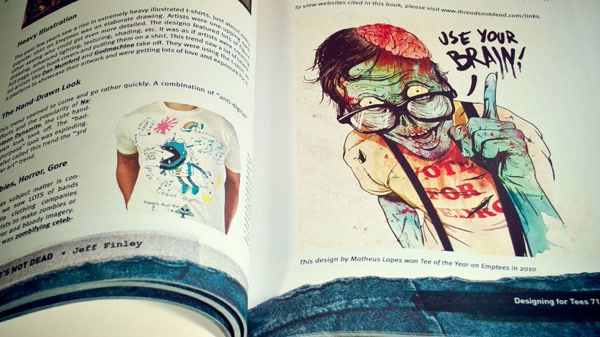
    Jeff's Work

    Hi Jeff, thanks for taking time to chat with One Minute With. Tell us a little bit about yourself and your work.

    Well, I’m Jeff Finley and I’m an artist, designer, and entrepreneur. I’m part owner of Go Media and founder of Weapons of Mass Creation Fest and author of Thread’s Not Dead: The Designer’s Guide to the Apparel Industry. I kind of a do a bunch of stuff in and around the design community.

    Walk us through a typical day in the life of Jeff Finley.

    As one of three owners at Go Media I’m involved in just about every aspect of the business so a typical day can be very different from the last. I could be working with our clients doing some sort of illustration or design, or working on our own brand positioning and company philosophy. And when I’m not doing that, I’m overseeing the Arsenal and GoMediaZine and hustling in general. I’m always looking for new/better ways to promote and grow Go Media.

    Jeff

    How did you get into design?

    I was originally interested in making video games or working in the movies in some way, but I was drawn to doing artwork for bands out of college. I turned that into a freelance career which led to partnering up with Go Media. I got into graphic design that way.

    How do you approach a new project? What’s your design process like?

    Generally I like to talk with the client about their goals and inspirations and I come up with ideas to help them achieve them the best way I know how. We use our Proof Lab software (soon available to the public) to manage the design process from start to finish with our clients. And if it goes like you would expect, once we get approval on the idea, we send over sketches or initial concepts for approval. We get approval each step of the way until the client is satisfied with the final result.

    With the likes of the GoMediaZine and the Arsenal, Go Media has a huge community presence. How important is it to be involved in the design community, do you feel?

    It’s natural to me to be involved in the community, so I do it because I like it. But it’s important for all brands to do that – well at least that’s what people tell me! We’ve been meeting with PR firms and brand strategists recently and they all get paid to help their clients get more in tune with their social/community presence. They say Go Media is a great example of what other brands should be doing. Creating their own content and putting their faces and voices out there. We always knew that if we create cool things that have Go Media’s name attached to them, eventually people will find us and discover what we do which leads to more work and opportunities. It’s not rocket science. And we’re really supportive of what other designers and brands are doing around us. We have always been helpful of other designers and we know that by being nice, helpful, and supportive, others will return the favor. That’s part of the reason why we started Weapons of Mass Creation Fest, was to unite the design community around us and put Cleveland on the map as a creative hot spot.
    Andrew Jackson

    In 2010, you launched Weapons of Mass Creation. Why did you decide to launch your own design conference, and what makes WMC different to the rest?

    I originally just wanted to start a fest with my favorite DIY punk and folk bands and mash it up with art & design. I wanted to put my own spin on a fest. People seemed to really dig the idea and volunteered their time to help me build it. There was definitely this attraction to building something awesome together in Cleveland. A lot of awesome people have latched onto the indie and DIY ideals and values of the festival, which I made sure were really prominent. I think what makes WMC different is the fact that it’s extremely affordable and feels more like an intimate summer camp type event rather than a bloated, over-the-top design conference with huge corporate sponsors and high prices.

    You recently wrote “Thread’s Not Dead“, a book all about t-shirt design. What inspired you to write a book, and how different is it to writing blog posts?

    I had been writing blog posts and even recording and selling video tutorials for some time, so the idea of writing a book just seemed like the next step. However, it wasn’t until I read The Four Hour Workweek, that I actually considered making it happen. We already knew how awesome it was to sell information products – we’d been selling stock vectors, textures, and other stuff like that on the Arsenal since 2006. So we already had a platform to sell an ebook, all I needed to do was make it. I intended to only spend about a month writing it. I thought I’d be able to interview some of my favorite people in the t-shirt design scene and assemble it together into a book with my own narrative and it would be done. But that wasn’t the case at all. As I wrote it, my internal quality quotient wouldn’t let me release it until it was something I could be proud of. I didn’t want it to look like a shitty ebook, so I designed it like a real book. First time ever designing a book layout, what a joy that was (not!) haha. I got a taste for InDesign though! I wanted to make sure the book was full of inspirational stories and images and had a real value to it. If I was going to sell it for $50, I had better make it as good as I can! So that’s how it happened. Of course, once it was out in ebook form, people pressured me into making it into a hardcover, which I am proud to say I gave into the pressure and did it. You can get it on Amazon now, how cool is that?

    Thread's Not Dead

    What design tools could you not live without?

    The Adobe Creative Suite of course, Wacom Tablet, Moleskine, iPod, etc. This is probably a pretty clichéd list I would assume!

    And finally, what tips would you give to anybody who is looking to get started in design?

    Start freelancing as soon as possible – get a portfolio website up there even if you have to use Cargo or Behance. When you produce something, post it online to share and get feedback. Get involved in forums and design communities, attend events, get involved with AIGA, etc. Make yourself known!

    Thanks Jeff!

    Thanks a million to Jeff for sharing his thoughts! I really enjoyed talking to him, and found his answers really interesting!
    Why not check out Jeff’s site, and follow him on Dribbble and Twitter?
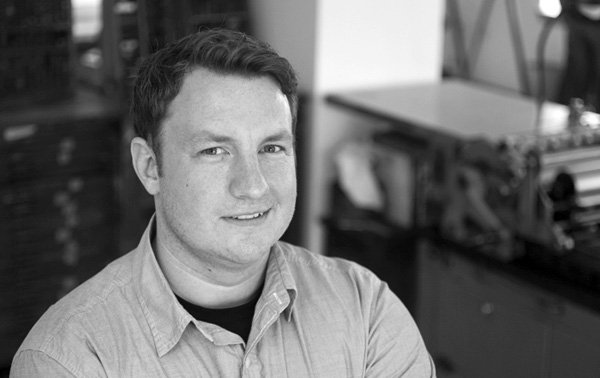
    Related Posts:

  7. One Minute With… Simon Collison

    1 Comment

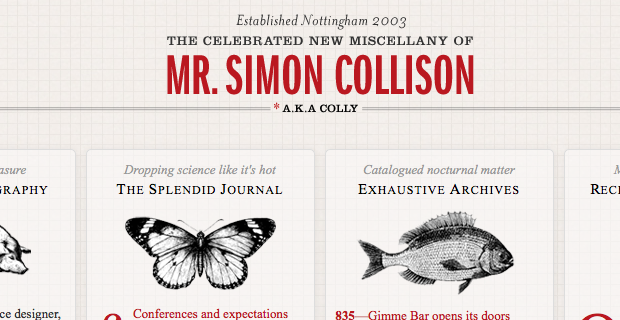
    Simon's Site

    Hi Simon, thanks for taking time to chat with One Minute With. Tell us a little bit about yourself and your work.

    I’m a freelance designer and much more, and I’ve been at it for twelve years. I’m based in Nottingham, but work all over the world. I’m a former artist, I founded a successful agency then left, I write and present about design, and I also organise the New Adventures events.

    What else? Well, I am not “full-geek”. I’m obsessed with music. I love traveling. I own a stupid cat. Apparently I’m bad at relationships. I’m happy regardless. That’ll do.

    Walk us through a typical day in the life of Simon Collison.

    I get up later than I’d aimed for, wherever I am. My working life falls two different ways. I’m either at home for a few weeks and therefore in my home office, or I’m away working collaboratively in different places, or bouncing between conferences.

    I’m a tea man, but need a frothy coffee and a roll-up before I do anything. I hit the computer straight away and I’ll tap a load of ideas into Evernote that I had overnight. I’ll mark fifty emails as junk, flag twenty or so, respond to three. Next, I’ll cycle through my tweets/Flickr/Instagram/GimmeBar feeds and read the BBC and Guardian sites for a bit. I used to trawl RSS but don’t do that at all any more. Does anyone?

    Mid-morning, I’ll start doing some proper work. iTunes is on all day and I dance around to it until around 6pm when I try to switch off, watch the news, do normal human things, or do more work. If I’m away, I’ll hit the bars with friends and not talk about work.

    Simon

    How did you get into design?

    I was always interested in art, design and popular culture. Long story short; I went to art school, became an artist, and eventually set up an arts organisation. I bought a computer in 1999 to make flyers and posters, discovered HTML, and made a big website for the arts org that became really popular. A local agency saw it, thought I’d make a good web designer, and that was that. Gave up the art, became a full-time designer.

    How do you approach a new project? What’s your design process like?

    So, I have my own rules and methods, but every job is different. Back when I ran an agency, the process was very different, and we imposed all sorts of strict criteria and methodologies on each project. As a freelancer, I keep it much looser, so I don’t always manage projects with a set pattern. I’m lucky that I can choose to work on projects that suit me, where I won’t be restricted or lost in documentation. I’ve learned to maximise the creative time now.

    Obviously I learn as much as I can about the project (and if relevant, the client) and the intended audience. I try to have a lot of discussion, gather qualitative and quantitative data, and I make a lot of notes and sketches. I soak up the content and stuff I need to work with, and I will sit with it all for ages – not working, just thinking about it. When ready, I then get into some freestyle design without grids, guidelines or frameworks, where I just explore ideas and get everything down into Photoshop iterations.

    Then will come a phase where I begin to properly define grids, layout, icons, colours, language, tone of voice, resulting in a set of loose guidelines I can take into a more robust and meticulous Photoshop stage. If I’m also building the site, I start designing in the browser as early as poss using a Git repo, often making a greybox navigable site to understand the behaviours and relationships, taking that into a final design in the browser, backed up with PSDs perhaps.

    But like I say, every job is different, and as I collaborate a lot, I might be focused on one task, yet giving input across everyone’s work.

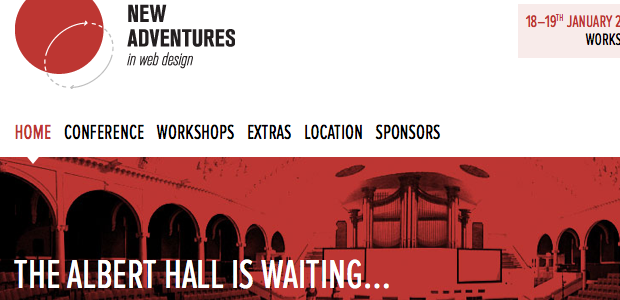
    New Adventures Conference

    In addition to your design work itself, you’ve written several books about design and development, and spoken at numerous conferences. If, in some crazy hypothetical universe, you could only do one of these things (Design, Books, Conferences), which would it be, and why?

    The writing and presenting is a byproduct of being a designer, and unless I decided to write bad poetry or fiction as I did in my teens, then there’d be no writing or presenting without being a designer. Design is my ultimate motivation, and whilst I think it’s important to share and discuss with others, ultimately I’d cling tooth and nail to my job as a designer. Without that, it’d just be hot air.

    You’re very much a conference man, having spoken at many, and even organised your own. What it is about conferences that you like so much, and why did you decide to organise your own?

    I find value in every event I attend. If the exact topic isn’t applicable, I work hard as an attendee to find relevance and parallels for me. There’ll always be something I can take away, and that might not immediately influence my work, but often I find that value a week, a month, a year later. It all goes in.

    Conferences also allow us to get away from our working environments and meet others, discuss issues that concern us, form new partnerships, sow the seeds of collaboration, and be inspired from all angles. I can think of nothing worse than being a designer who never leaves his or her desk. I used to beg and borrow to attend conferences for a thousand reasons. Being able to speak and be a part of the dialogue directly is a huge privilege.

    My own event was a response to all of this and more. There are lots of reasons, but two in particular. 1: My home town and its surrounding cities have a wealth of design talent that has been underserved by such events, and I thought it was high time we had something of value in the heart of England. 2: I desperately care about issues that shape our roles as web designers, and the dialogue needs specific platforms to thrive. New Adventures was motivated by a desire to get smart people (speakers and audience) together to push things forward, and maybe influence some of the issue that resonate through the rest of the year.

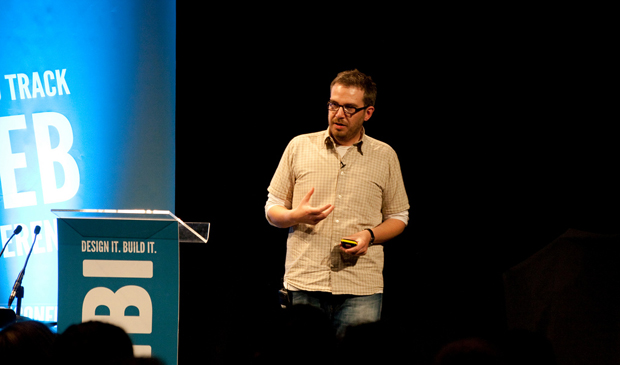
    Simon at DIBI Conference

    Where do you see yourself in 5 or 10 years? Are you still hoping to be designing, writing and speaking, or do you want to have moved onto to something else?

    I try not to answer questions like this these days. The reason is simple: I try not to set goals. It was important to have certain ambitions or get-out plans when I was a bit younger, but since I went freelance I’ve removed the pressure. I’ll see where projects and opportunities take me, but in all honesty, I’m more interested in just “doing” than wondering where it’ll take me. One things for sure: I’ll be living in Brooklyn by then, whatever I’m doing.

    What design tools could you not live without?

    I’m trying to get away from the idea of apps defining what I do and how I think, so I’d say I cannot do without my bag, which I think of as a mobile office. I’ve meticulously honed what I need to carry and everything has a pocket. Obviously it’s got my MacBookAir and iPhone in it, but alongside those I have a cheap Muji notebook I can scribble in, plus a pen, pencil, and a Sharpie. Aside from chargers, headphones, and travel stuff, that’s all I need, and all I want.

    If you want a list of the apps I use then it’s fair to say I have Photoshop, Textmate, Transmit, MAMP, Github, Evernote, IA Writer, iTunes, iCal, Mail app, and Safari open most of the time.

    Regarding browsers, I just love and trust Safari. Firefox is made of mud and twigs, and I can’t stand Google Chrome. Where’s the bloody feedback when you load things. I hate the lack of a blue bar or visual progress. Just can’t get past that.

    Simon's Desk

    And finally, what tips would you give to anybody who is looking to get started in design?

    Be prepared to work hard. If it will overlap with another job you don’t like, be prepared to do several hours per night reading, learning, experimenting. Identify your strengths and weaknesses, discover your values, and try to approach your work like a craftsmen. Do your work and do it well.

    On a practical level, find problems and design responses. Not answers, not solutions, just responses. There’s rarely a single right way, so just explore problems and see what happens. Try to be loose and unshackled to start with, then home in on details and work tightly as you near completion. Learn to throw things out, simplify, be economical, present only what is necessary. After that, adding delight and personality in future projects comes naturally.

    Desire to learn, and don’t see it as too much information to cope with, too many opinions, too many things changing all the time. Embrace the ebb and flow, the shifting landscape; that’s what makes the web so unique, so special. Understand the medium, appreciate where the web can borrow from other disciplines, and where it stands apart and defines its own rules.

    Don’t feel bound by your tools. try to think about design outside of apps. Tools are enablers, but what we do isn’t about those tools or languages. Also, don’t be a slave to web showcases and galleries. Find inspiration from anywhere and everywhere, not just from other websites.

    Above all, care. I mean, really care about what you do. Being a designer isn’t a job, it’s a motivation, a need to make things better. If that doesn’t sound right for you, then don’t be a designer.

    Thanks Simon!

    Thanks so much to Simon for giving us an insight into his world! I really enjoyed talking to him, and found his answers really interesting!
    Why not check out Simon’s site, and follow him on Dribbble and Twitter?
    Related Posts:

  8. One Minute With… Evan Stremke

    Leave a Comment

    TedX

    Hi Evan, thanks for taking time to chat with One Minute With. Tell us a little bit about yourself and your work.

    I’m a designer living in Madison, Wisconsin and working at Planet Propaganda. My portfolio is your typical mix of illustrative, interactive, branding, and traditional design work. I also like to write short stories and terrible jokes.

    Walk us through a typical day in the life of Evan Stremke.

    I wake up every morning at 6a and check Twitter, Facebook, and Google+ just to see what people have been saying about me while I’m sleeping. I usually take a shower, but I may or may not wash my hair depending on how it looks and based on advice I received while watching ‘The Nate Berkus Show’ one afternoon. I get to the office just after 7a, work, eat lunch, work some more, then head home at the end of the day where I continue working, but usually on self-directed pieces. If there’s not much work to be done, I’ll head to the rock climbing gym instead.

    [Side Note: This interview has already lasted well over a minute. Though maybe the Irish just tell time differently.]

    Evan

    How did you get your first design client?

    My first client was John Wiley & Sons who I did some simple logo work for, along with some additional brand collateral. Wasn’t anything great, but it was my third year in school and there wasn’t much time for major work outside of the classroom and side projects I had been working on at the time. They found me through Behance and the rest is history more or less.

    How do you approach a new project? What’s your design process like?

    This is an easy question to answer, but there are several answers so I’ll keep it short. How I approach a project is entirely contingent upon the type of work, the client, the budget, and the schedule. Usually I’ll sift through old design annuals, look for inspiration on the web, sketch some ideas, and just start designing. Projects vary from day to day, client to client, so there’s no real tried ‘n true method per se.

    You have quite a distinct, vintage feel to your work. Where do you get inspiration from?

    This is actually the first time someone has told me that my work has a vintage feel to it. Certainly there are some pieces that lend themselves to such a designation, but again I think this is just a case of the design being appropriate for the client or content. For a lot of my vintage design inspiration I like to peruse Flickr and the Library of Congress site, the latter of which is an invaluable resource for not just inspiration, but for beautiful images of all of American history.Root Beer

    You’ve been involved in a few high-profile self-initiated projects, such as The Momentus Project and Invitation to an Assassination. How much of your work is self-initiated projects, and how much is client work? Is there one you prefer over the other, and why?

    The majority of my work is the stuff I get paid to do for [at least] forty hours a week at Planet. It’s not just my job, but also my passion. And that passion spills over into my life at home. In order to satisfy my thirst for work, I create my own projects. I enjoy challenging myself and establishing parameters for self-initiated projects is a great way to learn and grow as a creative individual. I prefer them both for different reasons. Working with clients is a breath of fresh air after working for yourself for so long, and vice versa. It’s a healthy balance, each with their respective pros and cons.

    The Momentus Project is probably your most well-known work, and the piece that made you a household name (In very design-oriented households, anyway). What was the motivation behind it? Is there an end-goal for it, or was it something you set up for fun?

    It’s a little weird to think that The Momentus Project is my most well-known piece considering I’m only responsible for 1/52 of the entire collection. The project was born out of an obsession I have with history, specifically United States history. I’m not a God-fearing conservative rooted in the traditional American way of life, I just think we as United States citizens have a lot to be appreciative of, but I find that the majority of the folks I speak to know nothing of what makes this the greatest country in the world. The end goal for the project has evolved, but the details are still being ironed out on my end so there’s nothing specific at this point.

    What design tools could you not live without?

    Obviously Adobe’s Creative Suite, specifically Photoshop, InDesign, and Illustrator. Dribbble has become an incredible source of inspiration, and Designspiration has quickly become one of my favorite sites for cataloging inspiration from across the web. My iPhone makes cataloging inspiration easy as well, but makes sharing it even easier. ‘Designing Design’ by Kenya Hara and ‘Designers Don’t Read’ by Austin Howe are some of my favorite books about design and advertising. All of Chuck Klosterman’s works are my favorite books not about design. Though, if I’m being completely honest, I could live without all of that, my life would just be less interesting I think. Or maybe more interesting, I don’t know.

    The Momentus Project

    What’s currently on your playlist?

    At this exact moment I’m listening to Peter Wolf Crier’s latest album ‘Garden of Arms’. Peter Wolf Crier is one of my all-time favorite bands, and I’ve had ‘Garden of Arms’ on repeat for awhile now. Can’t recommend it enough.

    And finally, what tips would you give to anybody who is looking to get started in design?

    This is another one of those easy to answer questions with several different answers. There are so many different types of “design jobs” that it’s hard to give specific advice for diverging paths. The best advice I can give can be applied to any number of scenarios: Work harder than everyone else around you. Also, learn to laugh. Especially at yourself.

    Thanks Evan!

    Thanks so much to Evan for giving us an insight into his world! I really enjoyed talking to him, and found his answers really interesting!
    Why not check out Evan’s site, and follow him on Dribbble and Twitter?
    Related Posts:

  9. One Minute With… Sergey Shapiro

    4 Comments

    Kid Fish

    Hi Sergey, thanks for taking time to chat with One Minute With. Tell us a little about yourself and your work.

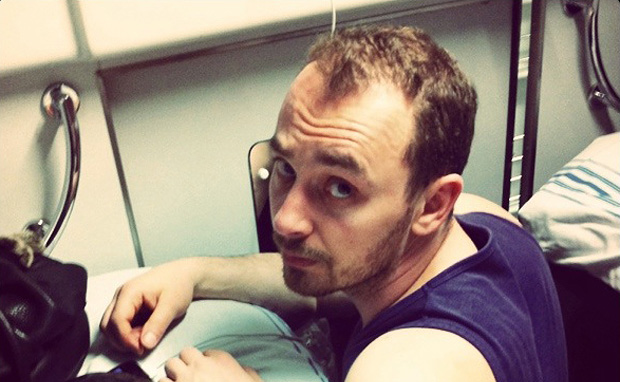
    It’s the hardest thing for me to write about myself :) Well, I love my wife! She brings me a lot of happiness, especially being a very talented artist, haha. I’m a philologist. I have studied the Korean language, culture and philosophy (South-east Asian also) but my passion has always been in drawing. I guess design was laid down in my genes and my life was leading me to become a designer. I was always looking for perfection and visual harmony in everything. I tried myself in interior and furniture design but at some point I started with graphic design and print. But since recently I shifted my focus to lettering and freestyle calligraphy and applying my skills in a variety of graphic design fields.

    See more of Sergey’s work here.

    Your calligraphy has a very unique style, with an almost urban feel to it. Where do you get your inspiration from?

    I get my inspiration from everything that surrounds me and also things associated with art and design. Sure I look at calligraphic stuff from different artists around me. Internet is great in this case.Sergey

    How do you approach a new project, and what is your design process like?

    Usually I start from meditating on a subject like zen monks do before drawing their masterpieces :) Sometimes I draw or write just in my mind while going somewhere or just having a bath. Recently I tried to draw a logo in my mind in a dentist seat, it was a rather funny experience and I’d almost forgotten where I was. I start my work by sketching and I guess my intuition leads my arms :) I do a loooot of sketches, usually I make about a hundred, trying to find a rhythm and a flow, and some interesting tricks with the letters. I love to connect letters in unusual ways and I think it gives a logo a kind of uniqueness and originality. When I can say that “I got it” I start sketching in that direction trying to sharpen the sketch. Sometimes I polish sketches with a gel pen correcting some parts of it. When I am completely satisfied with what I did I scan it and polish it even more in a vector program. That’s the short version!

    Typography is clearly a strong point of yours. Did you always have good handwriting, or was it something that you had to teach yourself?

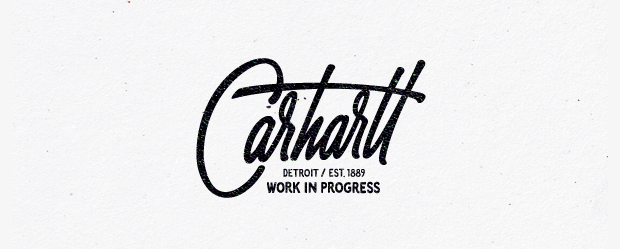
    Thank you! As I said earlier I think it was in my genes. I’ve loved to draw letters since I was in school but it was just for fun. But recently I started to write every day. I write everything just to write :) It is like meditation for me. So I think I develop my skills all the time with everyday practice.Carhartt

    How did you find your first design client?

    I have never found clients. It’s so happened that they found me. I just try to promote my work. But I guess it is a way of finding clients :) Honestly I don’t remember my first client but I surely remember that my first work was just trash and it’s funny to look back on stuff I did.

    What design tools could you not live without?

    First of all I use a lot of paper and writing tools, a lot of markers, brushes, pens etc. I try to use every tool that draw or write. Honestly I’m a maniac of drawing/writing tools, paper, notebooks etc. I shouldn’t go to art stores or I spend all my cash :)

    Of course, I use Photoshop and Illustrator.

    I love books but I stopped buying them because it may escalate into mania. I want to travel with my wife so our luggage should be very light and easy to carry.

    Websites are probably my main source of inspiration.
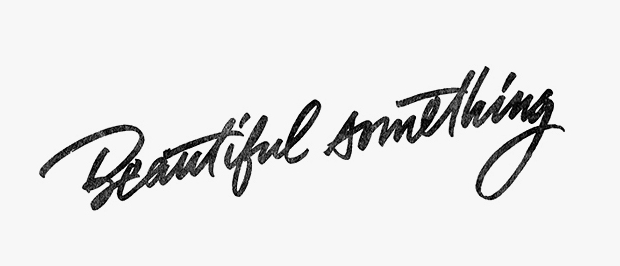
    Beautiful Something

    Aside from design, what do you like to do in your free time?

    I love yoga, cooking, reading, music, traveling, nature, riding my bicycle… lots of “ordinary” things.

    And finally, what tips would you give to anybody who is looking to get started in typography, or just design in general?

    First of all love what you do and do it with all your passion! Do everything you do to be proud of yourself! Practice every day. And one more thing, sometimes designers ask me what they should do to start making logos like mine. I think that you should develop your own style. Sure, you can take inspiration from other artists work and try to copy them to get your hands dirty, but finally work on your own style, find yourself, be yourself, express yourself.

    Thanks Sergey

    Thanks so much to Sergey for giving us an insight into his world! I found his answers really interesting, and hopefully you do too!

    Why not check out Sergey’s site, and follow him on Dribbble and Twitter?
    Related Posts: