Author Archives: Conor O'Driscoll

About Conor O'Driscoll

Conor O'Driscoll is a designer and writer, who writes for AppStorm.net. He also enjoys writing about himself in the third person.
  1. One Minute With… Jon Ashcroft

    Leave a Comment
    Awesome Work by Jon

    Hi Jon, thanks for taking time to chat with One Minute With. Tell us a little bit about yourself and your work.

    My pleasure, thanks for the opportunity. I’m an illustrator and designer living in Phoenix Arizona. I hail from the far away land of New Mexico (the eastern bordering state of AZ) where I was born and raised. I’m married to a beautiful hairstylist named Paige whom with I own a historic home in downtown Phoenix where we share a block with several of our closest friends. I enjoy music, architecture, community, tattoos, old stuff, traveling, craft beer, new Mexican food and my dogs. My work consists mainly of editorial illustrations, infographics, posters and whatever kind of non-profit/social-impact focused projects I can get my hands on.

    Walk us through a typical day in the life of Jon Ashcroft.

    Around 6:00 am my dogs begin to harass me for their breakfast until 6:15 am when I eventually cave and get up to feed them. I then proceed back to bed by 6:20 am and continue to sleep until 7:00 am. After I get up for the second time I get ready for the day (which may or may not consist of showering and grooming myself), make some coffee, sit down at my desk and get to work. I like to start the day out with something I’m excited about so if I have any illustrations on the agenda I usually go to those first and move onto email and more clerical stuff later in the day. I’m fortunate to live in one of the few truly walkable neighborhoods in Phoenix so for lunch I’ll make my way to one of the nearby eating establishments and get some grub. After lunch I generally take some time to catch up on news, read some blogs, talk to friends on Twitter and troll for new music. I continue the grind until 6 or so when my wife and I make dinner and spend some time together. Afterwards depending on my workload I will either go back to illustrating/designing for a few more hours or we will relax, take the dogs on a walk, go to the gym, hang out on the porch, etc..
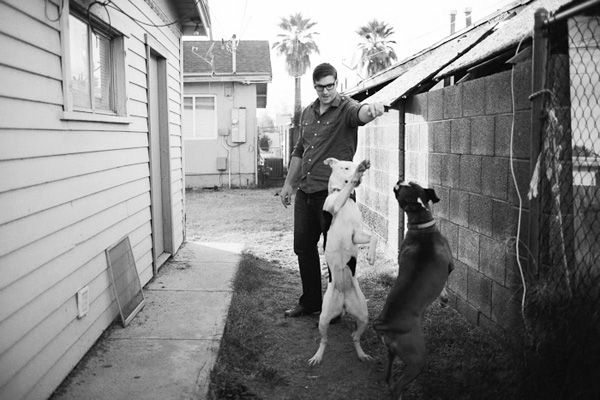
    Jon, by Greg Lutze

    How did you get into design?

    I always enjoyed art and photography growing up but it wasn’t until my freshman year of college that I realized there was this magical profession called “graphic design” where you could make posters and album covers for a living. I immediately switched my degree from Business to Fine Arts with an emphasis on Design and Photography. While in school I kept myself busy doing work for local bands, businesses and apparel companies. Through doing lots of not very good work for not very much money I honed my craft and tried to find my niche.

    How do you approach a new project? What’s your creative process like?

    I guess that varies from project to project but in general I think my process is fairly internal. I spend a lot of time thinking about the project, the audience, the desired response and how I can make something I’m proud of while fulfilling all of the required objectives. From there I start to rough out everything either via sketching or creating rough comps in Illustrator. This point of the process is generally the most daunting and slow-moving as I go back and forth with opposing ideas, trying to make everything jive and figuring out how I’m going to flesh out the finished piece. Once I have solidified my initial concept and layout I can begin making it actually look good which is far and away my favorite part of the process. This involves working with the type, establishing the color palette, adding texture and fun little details.
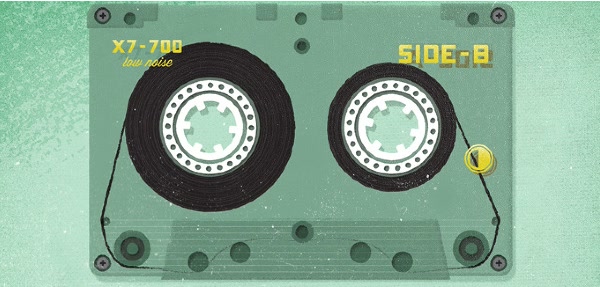
    More Awesome Work

    You previously worked at the world-famous Fender, before moving to the considerably less renowned Redemption Church in Arizona. What was working at Fender like, and how does it compare to Redemption Church? What made you make the switch?

    Working at Fender for a few years was as an amazing experience. I learned a ton about marketing at the highest levels, made some life-long friends and completely entrenched myself in the music world. Leaving Fender wasn’t an easy decision but when the opportunity arose to go from being the youngest designer in a department with a glass ceiling on opportunities to being the Creative Director of an organization I was passionate about I couldn’t say no. Most people scratch their head’s in confusion when I tell them I left the world’s largest Rock and Roll company for a regional church but from a purely logistical career standpoint it was the most practical move to make. Outside of that I also have an innate desire to show people that not all of Christianity is a culture-less void that doesn’t value thought, creativity and craft. That is a massive undertaking given the state of the world we live in but I try to do my part by taking pride in what I do and trying to perform my duties at the highest level. Working at Redemption also gives me the flexibility and freedom to do plenty of freelance and side projects, something that wasn’t always possible at Fender.

    Awesome Type

    Your style is organic and retro, albeit with a modern twist. Where do you get inspiration?

    From all over really. I spend a lot of time looking at sites like Designspiration, Ffffound, Dribbble and Grainedit. I’m a big fan of vintage packaging, posters, film titles and books so that plays a role as well. Art history was a huge element of my degree and I think that exposure has been vastly beneficial for my own work. I’m also fortunate enough to have some amazingly creative friends and family who are constantly inspiring me with the stuff they are doing. Concept-wise I get a ton of ideas from music, films and photography.
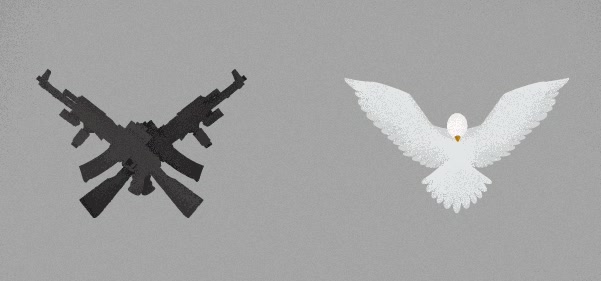
    Even More Awesome Work

    If, in some Freaky Friday-like situation, you could live the life of another designer, illustrator or creative, for a day, who would it be, and why?

    I don’t know if musicians count but I would go with Ryan Adams just because he is Ryan Adams.

    What design tools could you not live without?

    Adobe Illustrator, Photoshop and InDesign.

    A dot grid notebook/sketchpad with an extra hard pencil.

    My iPhone for snapping pictures of inspiring items I come across.

    My beloved Magic Mouse and MacBook Pro.

    Some sort of corrective lenses.

    A steady stream of tunes via Rdio or my vinyl collection.

    This American Life and All Songs Considered Podcasts.

    Lots and lots of coffee.
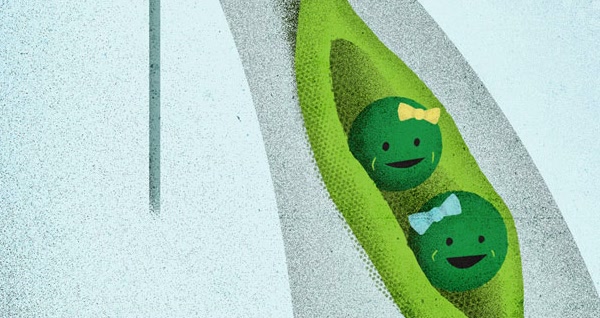
    Yet More Awesome Work

    And finally, what tips would you give to anybody who is looking to get started in design or illustration?

    Make lots and lots of work and then make some more. This is an industry fueled by passion and if constantly creating isn’t something you are willing to do for yourself then you aren’t going to be happy doing it for somebody else (even if you are getting paid).
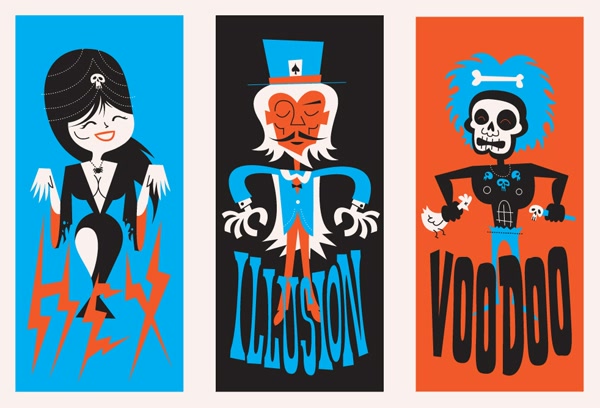

    Thanks Jon!

    Many thanks to Jon for sharing his thoughts with One Minute With. I really enjoyed his answers, and I hope you love the interview as much I do!

    Why not check out Jon’s site, and follow him on Dribbble and Twitter?

    Related Posts:

  2. One Minute With… Ryan Brinkerhoff

    Leave a Comment

    Magic

    Hi Ryan, thanks for taking time to chat with One Minute With. Tell us a little bit about yourself and your work.

    My name is Ryan Brinkerhoff and I’m a 26 year old illustrator/designer living in sunny Columbus, Ohio. I started up Bandito Design Co. in 2009 after I graduated form the Columbus College of Art & Design. I use geometric shapes and bold colors to create a bright, retro-inspired style.

    Walk us through a typical day in the life of Ryan Brinkerhoff.

    I live with my girlfriend Katie in a suburb of Columbus. I work downtown at Origo Branding Company where I’m Art Director. At Origo I work with a focused team on multiple marketing, web, and advertising campaigns. When I leave work, I go home and Katie and I make some dinner, watch some horror movies, and I work a little on making some new prints or illustrations until bedtime. I usually stay up way too late at night, drink way too much coffee in the mornings, and make way too many to-do lists.

    Ryan

    How did you get into design?

    I knew I wanted to be an artist very early on. I watched a lot of cartoons, played a lot of video games, and read a lot comics as a kid, and I think those really inspired me to draw, paint and sketch my way to CCAD. At CCAD I decided to go into the Advertising and Graphic design program, where I really developed a style and discipline that put me where I am today.

    How do you approach a new project? What’s your design process like?

    It is a simple process: Make some objectives, brainstorm some basic ideas, do a lot of sketches, move on to the computer, keep refining and adding interest until you are through! I try to come up with clever solutions that will ultimately tell a fun story or just make someone smile.

    Just some notebooks.

    Your style is certainly retro, but with an enchanting modernist geometric feel to it. Where do you get inspiration?

    I love the work of Alexander Girard, Charley Harper, Charles and Ray Eames. My work is heavily inspired by mid-century modern design. Simplicity and sophistication are two values I try to reflect in my work. I really like the look of old storybook illustrations also. I think the “enchanting” qualities you speak of come from the whimsical inspiration I pull from old Golden Books and early Disney/Looney Toons Cartoons.

    Halloween Poster

    Like many print designers, you sell your posters and other goods online. How important is it to have some sort of passive income, in an industry where work offers can fluctuate so much? Has selling online been a good experience for you?

    I have a full-time Design job, so work does not fluctuate for me. But it is very nice to have some passive income coming in from art print sales. Selling online is great! I use Big Cartel and it couldn’t be better. My only complaint with selling stuff is with The United States Postal Service. Shipments can take forever to get to their destinations or just get lost for no reason.

    A mouse. But also a lion.

    If, in some Freaky Friday-like situation, you could live the life of another designer, illustrator or creative, for a day, who would it be, and why?

    Charles Martin “Chuck” Jones — American Animator during the Golden Age of American Animation. He directed, wrote, and even created some of the best characters/animated shorts of all time. I would love to have worked on such classic cartoons. The charm and character these cartoons have are truly timeless.

    What design tools could you not live without?

    Design Essentials: pencil, paper, scanner, Adobe Illustrator
    Organization Essentials: iGoogle Tasks, Google Calendar, Dropbox
    Inspiration Essentials: ffffound, Dribbble, Tumblr

    Momentus Project

    And finally, what tips would you give to anybody who is looking to get started in design?

    Find your style. Just as a writer has to find his or her voice, a designer has to find a good method for solving problems.

    Don’t settle for that first idea. It usually sucks. Keep sketching, keep searching, keep trying. Sometimes the right solution comes from sketch number 100.

    Work hard in Design School. It is what you make of it. Don’t just cruise through it like it’s a class, treat it as a real life design exercise. After you graduate and get a job, you won’t just get a C- on a mediocre project, you just get fired.

    Thanks Ryan!

    Many thanks to Ryan for sharing his thoughts with OMW. I had a lot of fun talking to him, and I hope you love the interview as much I do!

    Why not check out Ryan’s site, and follow him on Dribbble and Twitter?

    Related Posts:

  3. One Minute With… Ricky Linn

    Leave a Comment

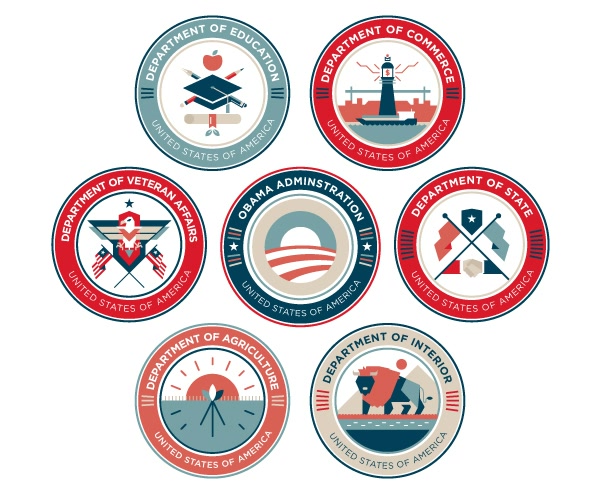
    Departments

    Hi Ricky, thanks for taking time to chat with One Minute With. Tell us a little bit about yourself and your work.

    Hi! Thanks for having me. I’m a 20 year old graphic design student that’s currently in the trenches of Art Center in Pasadena, California, trying to earn my stripes and make my way into the world of graphic design. I freelance projects on the side to pay the rent and in my rare free time try to remember that I’m still relatively young and try to do young people related things.

    Walk us through a typical day in the life of Ricky Linn.

    On a typical day I spread myself across school projects, sometimes client projects, and my own personal endeavors. All while constantly checking in between Twitter, Facebook, my Google Reader feed, and my Tumblr. I try to squeeze in some time for Netflix when I get the chance, usually as I’m eating.

    I’m always loaded with projects so routine is certainly not something that I have nailed down. Every new semester of school brings about schedule shifts and new freelance opportunities and I try to adjust accordingly, though the lack of sleep is one constant that will probably never change, haha. Recently I’ve started using TeuxDeux to keep myself somewhat organized and track things I need to stay on top of, and taking care of said things at my local coffee shop. I’ve been trying to make a habit out of reading books and articles on my iPad as well.

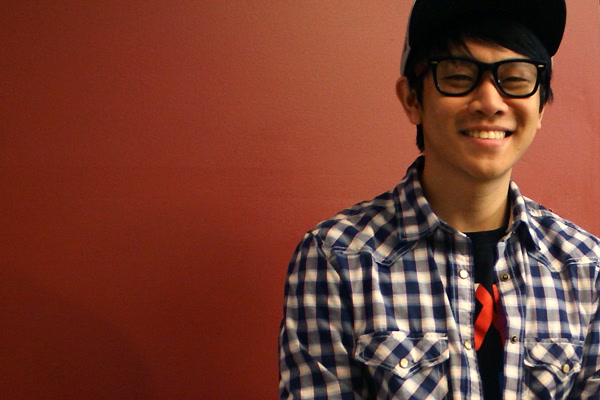
    Ricky

    How did you get into design?

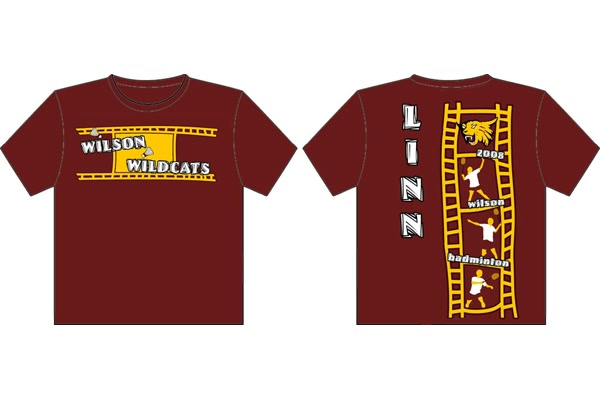
    Completely by accident actually. About four years ago while I was in my high school’s badminton team my coach wanted someone from the team to design the team’s T-shirts for the season. I had been messing around in Photoshop for a while and thought I would take a crack at it and volunteered. Naturally it came out looking quite horrible, but the rest is history. It was about a year later as I was about to graduate high school that I decided to study graphic design formally, with great opposition by my parents.

    Before any of this I had resigned myself to majoring in some kind of social science like anthropology or history.

    Ricky's First Ever Design

    How do you approach a new project? What’s your creative process like?

    In the words of Frank Chimero, who I look up to a lot: ”I bash my head up against my desk like everyone else. We’re all the same.” I have been very lucky thus far, especially in the freelance world, that I have been trusted the creative freedom to create projects under my own aesthetic terms.

    But nonetheless it always starts with research. I gather whatever significant data and information I can on the topic at hand, try to digest all of it, and formulate a few concepts in my mind. Then I bust out my trusty notebook and get to sketching out ideas. I’m not a great draftsman by any means so all of my sketches look like indecipherable scribbles and notes. I find that my best ideas always come from when I’m in Illustrator moving shapes around and exploring that way. But I usually skip back and forth between the two mediums. After I have honed in on one or two strong concepts I start looking for visual inspiration that speak to me and I feel is appropriate for the project.

    At the end of the day I try to find that perfect marriage between what the projects requires and my own personal philosophy. Of course all of this would not be possible without the company of good coffee and good music.

    You’re studying graphic design in Art Center College of Design in California. With the design industry changing at such a fast rate, how important is a formal education in design, do you feel?

    This is a question that I have been struggling with myself as well, so bear with me for the long answer. Before I started at Art Center I was simply creating things that I found cool or aesthetically pleasing. There wasn’t much thought put into it and I was making things by the seat of my pants.

    But each semester I learn more and more about the fundamentals of great design and no matter how much our industry changes, those fundamentals won’t. A formal education in school is incredibly useful for building a foundation and discovering your own philosophy on what design means to you and your community, locally and globally. It opens up your mind to all of what has come before you, and the amazing possibilities that lie ahead of you. Design is becoming more and more relevant everyday and the demand for our talents is only going to increase. And while a formal education is not a necessary ingredient for a great career, I have noticed that more and more companies, creative or otherwise, require a degree to simply get your foot in the door.

    That being said, I have come to realize that no matter how much a school taunts their penchant for forward thinking and innovation, a school is still a business. There are hoops to jump through and strings to pull. And in that regard, a formal education cannot always keep up with the rapid changes in our field. And the answer to that really is just a DIY approach. We are in an incredible era where any and all kinds of information are at your finger tips. You can learn anything you want with motivation and discipline, at almost no monetary cost except for an internet connection. And that is the only way so far that we as designers can keep up with new methods and practices and technologies that sometimes schools are just not ready to throw into their curriculum at a whim, for whatever reason.

    So in summary the way I see it, a formal education is a double edged sword. But at the end of the day it comes squarely down to you as an individual how much you want to stay relevant. It is tricky, as I am experiencing now, to split my time and enthusiasm between doing school projects so I can have great portfolio pieces for when I graduate, and finding time for personal exploration and building my own desired repertoire of skills.

    There are of course other factors that can be brought into the discussion but I’ll stop here for the sake of not extending this any further.

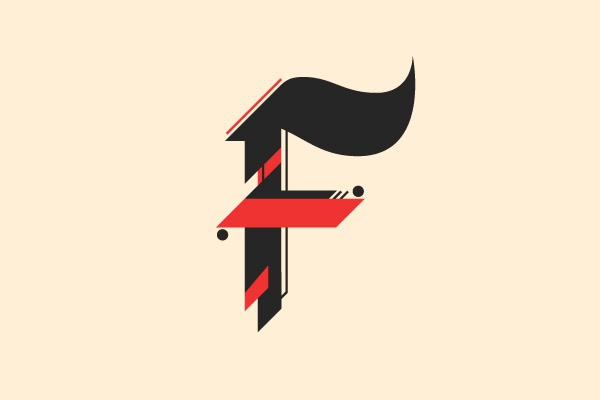
    F

    Your work has a vintage feel, with modernist influences. Where do you get inspiration?

    I’m really glad you say that because it means I’m getting my personal style across. That is exactly where my influences come from. As I have mentioned school is a great place to expose yourself to what has come before you.

    Last semester over the course of this summer I took an Introduction to Modernism course and was incredibly lucky to have a great instructor teaching it. She really opened my mind to the incredibly rich history of early to mid-century graphic design. Given my general interest in history and graphic design, I fell absolutely in love with all of it. I was blown away by how those designs, crafted over fifty years prior without the aid of any computers, were able to stand the test of time and look as contemporary as they do today. Suprematism, Constructivism, Minimalism, De Stijl, Bauhaus, etc. All these schools of thought have incredible influence on my style of work. The work of Alvin Lustig, McKnight Kauffer, and El Lissitsky, to name just a few, are also incredible inspirations.

    Before I took that course I had been emulating those styles into my work simply because I liked the way it looked, having seen some random bits of work online from Ffffound and such, not knowing who had done it or why. But now I understand why I like it and what it means to create such work, and it pushes me to follow in their footsteps.

    Then there are of course all the contemporary designers who are creating great work today whom I like to call my design heroes: Frank Chimero, Mikey Burton, Richard Perez, Evan Stremke, Mark Weaver, Ty Wilkins, Tim Boelaars, Brent Couchman, Scott Hill, Mike Lemanski, the pair at Always with Honor and Eight Hour Day, the list is endless. As students we are in no short supply of heroes to choose from.

    Imposter

    If, in some Freaky Friday-like situation, you could live the life of another designer, illustrator or creative, for a day, who would it be, and why?

    There so many, but I would love to be Charley Harper and experience the way he works and illustrates. What was running through his head as he worked? I could stare at his illustrations all day. The retrospective of Charley Harper’s life and work by Todd Oldham is probably the best book I’ve ever purchased. I have a great love and fascination of animals and nature ever since from a young age and a big part of my youth was spent watching nature and history documentaries. He combines both my love of wildlife and the geometric modernist aesthetic. It definitely helps that he was incredibly amazing at what he did. My 365 Animals project is without a doubt a tribute to him.

    What design tools could you not live without? 

    There are certainly many things a creative needs, but for me it all boils down to: a notebook, a ballpoint pen, Illustrator, a keyboard+mouse, good music, and an internet connection.

    Ron

    And finally, what tips would you give to anybody who is looking to get started in design or illustration?

    I don’t know how qualified I am to be giving advice at this point but for what it’s worth, I do have a few things I have learned over the past few years.

    Self-motivation is so important to getting better. No one wants you to succeed more than you. So stay motivated and keep pushing the limits of what you can and want to do. Don’t wait for someone to push you to do better. As you may have heard countless times, design is not a job you do, it is a lifestyle you live.

    Don’t be afraid to show work you’re proud of, especially as a student. Post them wherever you can build yourself a presence online, whether it be your own personal site, Tumblr, Twitter, Dribbble, etc, account. Nothing bad can come of it and can only help to gain you some exposure and get your feet wet into networking with other designers and land you some potential clients. I have been really fortunate that all my freelance clients have come to me because they have seen my work from which ever corner of the internet that they may have found it.

    And lastly this is something I am still having difficulty internalizing myself but I feel is invaluable to students moving forward professionally. Keep your ego in check and be patient with yourself. As students we often times have unrealistic expectations to become great really quickly. I certainly did. We look to those above us and admire their successes, without contemplating what it took to get there. I struggled for a long time in feeling confident about my own work because of voices both inside and outside my head saying that I can’t do it. Only now am I starting to feel more secure about my credibility as a graphic designer. It takes time to build yourself up from the ground, both in skill and maturity.

    Thanks Ricky!

    Thanks so much to Ricky for giving us an insight into his world! I really enjoyed talking to him, and found his answers really interesting!

    Why not check out Ricky’s site, and follow him on Dribbble and Twitter?

    Related Posts:

  4. One Minute With… Dustin Wallace

    Leave a Comment

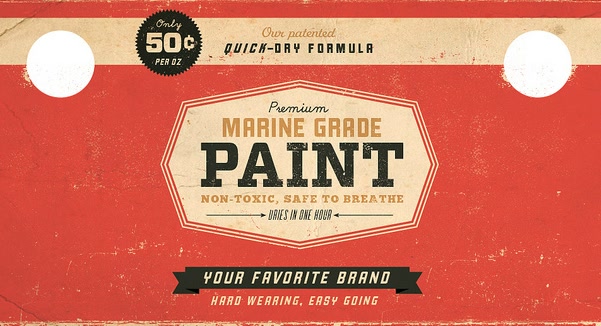
    Marine Grade Paint

    Hi Dustin, thanks for taking time to chat with One Minute With. Tell us a little bit about yourself and your work.

    I have been designing for about 10 years now. 6.5 of which have been spent at Fossil, where I works as an Art Director for the brand image and illustration team. I work with a world class creative team that puts out top notch work. I started doing the freelance game in my latter years of college and continue to do so. I’m always looking to create something. Whether it’s building a fence, remodeling my kitchen, drawing thing for my daughter on her large pad of paper, or designing a corporate logo. I grew up in Lubbock, a smallish town in west Texas. I learned how to work hard and to work with my hands from my dad who’s a master carpenter and all around creative person. My mom, being an art teacher, I learned the core art skills necessary for the career path I fell into. Growing up in Lubbock, you’re sorta forced into liking vintage things. (a lot of old stuff) So I grew up with a fascination with vintage things. I have a lovely wife, Kate, and two kids, Nora – 3.5 & Asher – 11 months. They are the joy of my life and I’m blessed to have them.

    Walk us through a typical day in the life of Dustin Wallace.

    Wake up when 3.5 yr old daughter, Nora, comes into bedroom. Get up, go get 11 month-old, Asher, out of crib. Get ready for work. Grab some coffee/breakfast, head into work. (Art director @ Fossil) design and do other designy things all day. Drive home. Eat dinner with wife & kiddos. Bathe kids, get them to bed. Hang with wife for a bit, have a bit of TV time. Time for freelance work. Work several hours. Stay up way too late. Hit the sack. Repeat. Simple, right?

    Dustin

    How did you get into design?

    I was an art kid in high school. I didn’t really know what to do with it. I always thought I’d just be a painter or teach art like my mom. So, I got into the Design Communication program at Texas Tech University where I met Dirk Fowler. (one of my design heroes) He really changed my view on design. Dirk has a nice vintage approach to his design. Something felt familiar with it. So the love was born. Can’t have enough of it now.

    Some Tools

    How do you approach a new project? What’s your design process like?

    Every project is unique and deserves its own specific steps. But, I like to meet with the client (phone or coffee or email) to discuss what they’re wanting and how we can work to meet their goal. I then start research. I look at current design trends, classic design principles, and anything that might relate to the particular project. Then I just sketch and draw thumbnails in my Moleskine or whatever paper I have stacked on my desk. Sometimes ideas will come to mind while I’m playing softball or mountain biking… So i try to write/sketch them down when I can. I have several small note pads I keep in my car, bag, desk, etc so I can always have something to write these things down in.

    Love

    Your style is distinctly retro, but with something of a modernist twist. Where do you get inspiration?

    I have a huge fondness of vintage things. In my office, you’ll find vintage oil cans, tin cars and toys, several life-sized ceramic hands, posters, vintage phones and thermoses, etc. I also have a healthy collection of vintage design annuals. I like to thumb through these to get inspiration and to clear my mind. If I’m ever stuck on an illustration or a logo or anything, I just start looking through these and eventually ideas start floating in my mind and I can get back to work. Its nice to see design and art all done by hand. Give you an appreciation for how things were done back then.

    Your work is littered with awesome custom lettering. Have you ever considered creating a font with all those mad skills?

    Thanks! I have, actually. I have this old vintage wide slab serif looking font, I’d love to recreate. We’ll see…

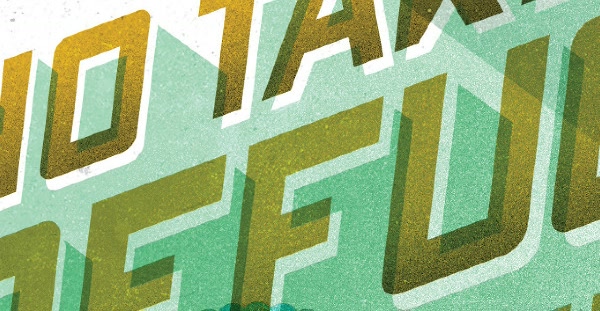
    Beautiful Lettering

    Once again, your style is ever-so-1950s, something which is becoming quite trendy these days. Did you decide to adopt that style, or was it simply something that evolved? How important is it, do you feel, or establish a style, as opposed to maintaining a variety of styles?

    It kind of just evolved. I love anything vintage. ESPECIALLY from the 50’s era. Something about it just makes sense to me. I’m drawn to it. I like the colors they use. I like the typography. Did I mention I love anything vintage? So I naturally just started designing in a similar style.

    I’m not sure how important it is to have “your own style”. I think do whatever works for you. I do think designers tend to have design patterns or “looks” that appear in their work. If you have clients wanting it, keep it up. I try to challenge myself and try different things, but at the same time, if you do something well, use that strength to your advantage. I’m a believer in working on your weaknesses so you’re more well rounded, but at the same time you should use your strengths to carry you while you’re working on these areas.

    ALL THE TELEPHONES!

    What design tools could you not live without?

    My Moleskine, pencil, my marker pen, an Americano from Starbucks, and my Macbook Pro. :)

    And finally, what tips would you give to anybody who is looking to get started in design?

    Push yourself and work hard. I had a good friend, Brent Couchman, tell me “Good design is hard work.” It’s the best advice anyone can receive. Push yourself and never settle for the easiest answer or for anything you’re not 100% happy with. Always push yourself and try new techniques.

    Thanks Dustin!

    We’re really grateful to Dustin for spending a few minutes with One Minute With. Hopefully you found his responses as interesting as I did!

    Why not check out Dustin’s site, and follow him on Dribbble?

    Related Posts:

  5. One Minute With… Jimiyo

    Leave a Comment

    Super-crazy stuff from Jimiyo

    Hi Jimi, thanks for taking time to chat with One Minute With. Tell us a little bit about yourself and your work.

    I go by the artist name Jimiyo. I took that name years ago about the time Al Gore invented the internet because I was really into hip hop and I would greet everyone with “Yo.”

    I started out on a Commodore 64 drawing in GEOS (a kinda-operating system/productivity software package), and somehow I find myself today still doodle-fartin’ in Photoshop and making a livelihood from art and art directing.

    I work as the art director for Teefury.com so most of the art I create is for fun or curiosity. I suppose that’s the way it should be. Maybe.

    Walk us through a typical day in the life of Jimi Benedict.

    I just moved from the west coast to Alabama for the time being so I wake up around a little around noon CST. I work freelance from home so I usually take it easy in the mornings. I have my cup of double bergamot earl grey with honey on the porch taking in some midday sun and quiet time with Bessie Bell the long haired Chihuahua in my lap. Then it’s off to work!

    I work on Teefury.com for my first few hours, checking our sales stats, replying to artist’s email, and sifting through the hundreds of submissions to find a few good ones that will get showcased on our site. It’s amazing to be in pop culture business because part of my day involves gleaning what’s hot and trendy by surfing the internet and “researching” entertainment media.

    Beyond that, I usually try to do some kind of art. I’ve been picking up the pencil lately, so I doodle later in the day or at night.

    Jimi

    How did you get into design?

    I went to Uni for digital animation, and after graduation I couldn’t get a job ANYWHERE with my art skills. So I spent two years selling computers at Dell, all the while at night after work, refining my Photoshop skills and building an online portfolio. Eventually I saved up enough money to quit my job and try to go freelance as a starving artist, so I took the leap. Within two months, an art director saw my online portfolio and I got my first art job as a Nascar t-shirt designer. The rest is history I suppose. Online is where it’s at! Without the internet I’d probably still be schlepping $399 computers and hating every minute of it.

    How do you approach a new project? What’s your creative process like?

    I surf the internet for a ton of reference photos, and art by which I get inspired. I usually end up sketching ideas on paper first. After I have enough pieces, I collage sketches, photos, stock vector, to lay out a composition. After everything is laid out, I wield my trusty Photoshop and slay the heck out of some caffeine and somehow crank out a final product.

    Your work is almost entirely in the t-shirt design field. What is it about t-shirt design that you prefer over other types of design?

    I suppose it’s just the market I was able to find an easy source of income. I’ve done a few poster designs which I sell through my own indie store, and in the future, I hope to work on more credible, clout worthy media. T-shirts are cool, but I think most art connoisseurs would consider t-shirt art the lowest of low brow art.

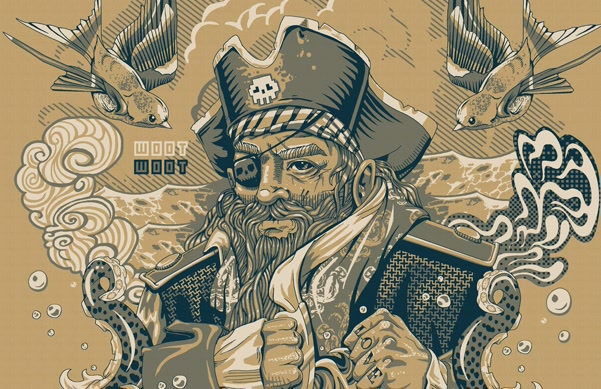
    It's a pirate

    You work with TeeFury, a t-shirt-a-day site. With these sorts of sites having really taken off recently, what makes TeeFury different to the rest?

    We were the first shirt-a-day site. And second is the first loser. No, in all seriousness, I think shirt.woot was the first, but they have a slightly different sales/business model and totally different market.

    Since we have been around longer than all the other clone sites, we’re way ahead on logistics. We ship faster. We have a great production team. We know our community and what they want to see. We have it down to a science and we’re always advancing. I always joke that we also have two shut in recluses with OCD that propel us way beyond any competition just by sheer brute force work. Those two shut-ins being myself and our other curator/social media lead MJ. We’re obsessed with shirts. I’m not sure if the other companies are as enthusiastic since they just mimic our business model and product line.

    We love what we do. I think that puts us way ahead because we don’t mind working hard.

    Seriously. It's crazy good.

    Your illustrations span a huge range of content and style – Is there a particular style of subject matter you enjoy drawing over the rest, or do you enjoy having so much variety?

    The variety is primarily because of necessity. The shirts are for bread and butter and the rest is for fun and experimentation.

    I really enjoy the stylings of Aaron Horkey and traditional metal engravers, so my favorite designs to create, although they aren’t as popular as my pop culture schtick are the artsy designs with abundance of baroque filigree and embellishments around a focal point. I typically like to have meaning and symbolism in my designs so I tend to weave in elements, obvious or not, into my designs that have personal meaning.

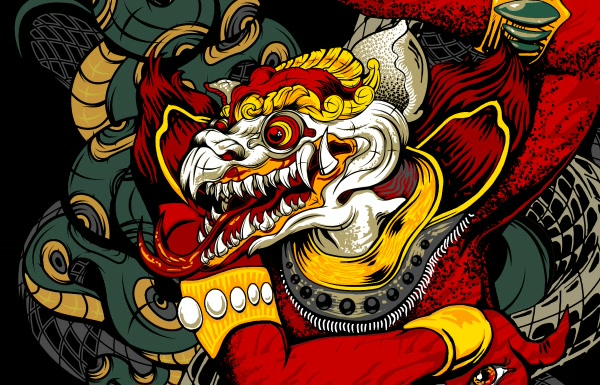
    Dragon = Win.

    What design tools could you not live without?

    Photoshop
    Cintiq
    Pencil and Paper

    I really enjoy PrtScr, a free screen capture program for PC. http://www.fiastarta.com/PrtScr/

    DeviantArt.com is so full of inspiration goodness. Although it’s mostly painterly, less design-y.

    Beyond that, I’m not that particular.

    And finally, what tips would you give to anybody who is looking to get started in design or illustration?

    At all costs, get yourself a job in the industry, even if the pay is terrible. The longer you go working in a job that’s not in the field of your desires, the stronger you will have to be to break out. I started my art career at $10 an hour. The bonus was they let me print my own t-shirts after hours. Experience is more valuable than immediate money for XBOX, beer, and cigarettes. You can buy a ton of it later once you start making good paper.

    Be passionate about designing and illustrating. To become successful, I think it takes a certain amount of internal drive – the kind that makes you create art for the love of creating, not for money.

    Get involved in extra curricular art/design/illustration activities. Win some contests. Participate in gallery shows.

    Get good equipment. Often times, my shoddy computer was a detriment to my artistic growth.

    Quantity leads to Quality. Trying to make a perfect illustration or design is silly. Perfectionism will hinder you from getting better.

    The Internet is amazing. You can become famous via the web, or at least “famous” enough to supplement your income with money earned through selling your art direct to fans.

    Thanks Jimi!

    Many thanks to Jimi for talking to us. I really enjoyed his answers, and hopefully you did too!

    Why not check out Jimi’s site, and follow him on DeviantART and Twitter?

    Related Posts:

  6. A New Look for OMW

    Leave a Comment

    Our New Design

    I am delighted to announce a brand new look for OneMinuteWith. Well, a new look. Okay, a slightly new look. Alright, fine, it’s a small revision, but it’s still exciting!

    So, what’s new?

    We’ve kept the same theme, but with a bunch of improvements. Here are the most important:

    Color Scheme
    We’ve scrapped the yellow/green and purple colour scheme in favour of a lovely grey and red scheme. The old scheme was just getting on my nerves, and I didn’t feel it showed off your interviewee’s work in the best possible way.

    Typography
    This is a massive deal. Gone is the lovely Droid Serif, and in is the INCREDIBLE Vollkorn, with it’s fun but readable look. I’ve also boosted the font size, so it should be easier to read. There are a ton of typography changes, but you should be able to see that from this post.

    Featured Posts
    Gone. Dead. No more. This is for a few reasons. Firstly, the thumbnails being created weren’t great quality and looked pretty poor on the page. Secondly, all of our interviewees deserve equal recognition. They’re all awesome. Seriously.

    Icons
    The theme JournalCrunch came with some icons, but they were pretty average. I utilised some @font-face magic to bring Drew Wilson’s Pictos to OMW. They are awesome. Fact.

    So those are the main changes. I really hope you find the new look better, and most importantly, easier and more fun to read!

    Related Posts:

  7. One Minute With… Ryan Clark

    Leave a Comment

    It's a city, only done by Ryan.

    Hi Ryan, thanks for taking time to chat with One Minute With. Tell us a little bit about yourself and your work.

    During the workday, I am the Creative Director at Virb, where I get to make an amazing website-builder with a bunch of really great guys. I teach Web Design at two local universities and love the fulfillment of interacting with students. When not designing, I am juggling my (most important) roles of husband and father, with my son Asher and wife Sarah. I live in a small town in southwestern Ohio and I love doing what I love for a living.

    Walk us through a typical day in the life of Ryan Clark.

    Everyday starts off the same way, with me chasing my son around the house for a while. After some play-time I grab some coffee and get settled in with that days tasks and spend some time helping Virb customers in our Help Center. We have a daily status meeting over Skype in the late-morning, and then break for lunch. I spend the rest of the day cranking out whatever I need to, whether its business cards, site designs, or copy for emails. In the evenings, I like to get away from the computer and spend time with my wife and friends, or work on any of my many personal projects.
    Ryan

    How did you get into design?

    I got into design as a teenager, making logos and posters for friends’ bands. In college I took that love and turned my attention towards print and identity design. A couple years ago I was given the chance to pursue web/identity design and have been happily pushing pixels ever since (although I still like to get crazy with a screen-printer from time to time).
    How do you approach a new project? What’s your design process like?

    I have a bit of a different approach and process. I tend to do a LOT of brainstorming internally (like while driving to the grocery and mowing the lawn), thinking through problems and making basic design decisions for each project. When I finally open my design-weapon-of-choice, I just have to execute what’s already in my head, cutting out a lot of time I used to spend trying multiple executions, styles, colors, etc. It makes the process much faster and efficient, and I need all the extra time I can get!
    Lovely designs by the lovely Ryan Clark.

    You have a clean, geometric, but still very much vintage feel to your work. Where do you get inspiration from?

    I get inspiration from a lot of things (books, antique type, hand-lettering), but right now I’m really into vintage tattoos. I love the style and the meanings behind the tattoos of the 1930s-50s and lately I’ve really enjoyed exploring clean and modern geometric interpretations of them.

    You teach at a couple of universities in Ohio – How does that differ to your design work? What challenges does it bring?

    I love teaching. It’s a total change of pace from my daily work, and I get to share my passion for my craft with rooms full of students. The biggest challenge in teaching Web Design is really knowing where to start. There’s so many facets to what makes a great website or app, and you want to feed it to students in portions they can understand, without totally going over their heads. I can get ahead of myself pretty easily, but the students never seem to mind.

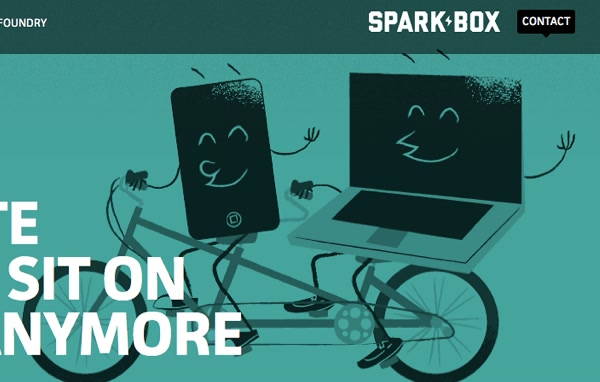
    Spark Box

    Along with doing full-time design at Virb, AND doing extra work from home, you also create design resources for the design community, with your font Liberator being your most well-known of these. How important is it to get involved in the design community, do you feel?

    The design community is an amazing group of genuine and helpful ladies and gentlemen. I always stress to new designers the importance of interacting in the community; there’s so much to learn from your peers, and I think it’s essential in your growth as a designer.

    Aside from just interacting, I’ve really enjoyed making fonts, posters, and Illustrator brushes for designers like myself. It’s nice to share resources that I use on a daily basis, and know other people get so much use out of something I made.
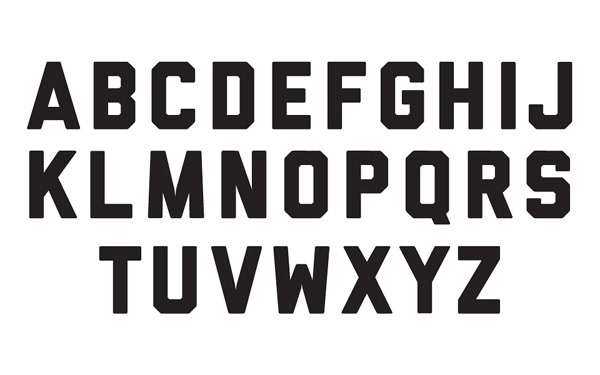
    Liberator

    What design tools could you not live without?

    I’m gonna try to keep this short(ish)…I design with Adobe Illustrator and Photoshop, sharp pencils, tracing paper and my scanner. I code with Coda, FTP with Transit, and keep in touch with my coworkers using Sparrow, Campfire, Skype and iChat. Virb is my CMS of choice and I serve up fonts with the magic of Typekit. And I couldn’t make it through the day without Rdio, the best thing to ever happen to my music collection.

    And finally, what tips would you give to anybody who is looking to get started in design?

    Work hard; good things come to those who hustle. Connect with your peers, be kind, and treat people well; the design community is full of wonderful, helpful people. Our greatest resource really is each other.

    Most importantly, do what you love; there are enough jobs doing design work to not waste years doing something you hate. If you don’t like client work, don’t do it. If you love to screenprint, buy a press and make stuff! Basically, pinpoint the reason you got into design, that thing that makes you wake up in the morning, and do it. No amount of money or fame can replace the fulfillment of doing what you love for a living.

    Thanks Ryan!

    Many thanks to Ryan for sharing his thoughts with OMW. I had a lot of fun talking to him, and I hope you love the interview as much I do!

    Why not check out Ryan’s site, and follow him on Dribbble and Twitter?

    Related Posts:

  8. One Minute With… Brandon Rike

    Leave a Comment

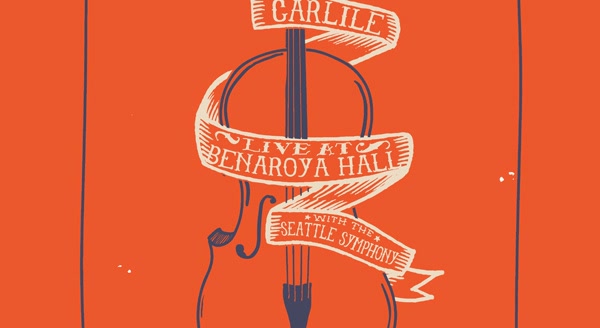
    Poster for Brandi Carlile

    Hi Brandon, thanks for taking time to chat with One Minute With. Tell us a little bit about yourself and your work.

    My name is Brandon Rike. I’m a full-time freelance graphic designer. A huge portion of my work is music merchandise, you know, band shirts. I work out of my home office in Columbus, Ohio.

    Walk us through a typical day in the life of Brandon Rike.

    I like to wake up early. Ideally, I get up around 6:30 am. I take a shower, get dressed, put on shoes, eat breakfast, make coffee, and get to work. I am usually at my desk by 7:45 am. I try to focus on one band per day, and put all of my energy into that one collection of graphics. But the reality of my workflow is that deadlines are tight, and revisions and file requests pop in throughout the day. Many days I end up juggling work for 4-5 different bands. I try my best to stay focused on my original project, but also trying to keep everyone happy in the process. I work into the evening, and try and finish up in time for a late dinner and a few tv shows with my wife.

    Brandon

    How did you get into design?

    I don’t know that I can remember a time when I “got in to design.” I was just always into art, in any fashion that I could be. As soon I was able to hold a crayon, I was drawing. I was that kind of kid. I had plenty of fun with my friends, but I was also found hunched over a pad of paper drawing all sorts of characters. Around the age of thirteen, my friends and I started a band. I quickly found myself creating logos for our band, making fliers for our shows, and designing tape jackets for our demos. I started experimenting with Microsoft Paint and various fonts in the process. I wasn’t until my junior year of high school, that I found out that this whole art form was called Graphic Design. I then took advantage of the Graphic Design program at a local community college while I was in High School. I learned a lot there, but doing shirts for my band, and the bands we played with, was really what got my foot in the door.

    How do you approach a new project? What’s your design process like?

    For my industry, a new project starts and ends every day. Often, several projects occur each day. Ideally, I go to bed thinking about the next day’s project. The next day, I will sketch out several thumbnails in a sketchbook, and get a very direct idea of what I’m going to create before even touching the computer. The best results usually happen when I’m away from my office. The reality, however, is that I’m often dealing with extremely tight deadlines, and the steps of a traditional design process don’t always fit in to my limited timeline. I do my best to analyze the client and their demographic the best that I can, and come up with something that will work. I hammer out ideas all day, and try and make sure everything I do is a quality product.

    The Wholesome Home logo

    You’ve carved a pretty successful niche for yourself in the world of designing for bands, concerts, etc. Was this a niche you specifically decided to go into, or did it just fall that way? How important is having a niche, do you feel?

    I’m currently learning how important a niche is to have. In design, there are two categories of niches to take into consideration. The first is the specific area of design that you work in. Mine is Music Merchandise. Others are magazine illustrations, or sports logos, or corporate branding, etc. I am very lucky to have found a home in the Music Merchandise niche of graphic design. It has allowed me to shrink the vast world of design down to a smaller area that I can be a major player in. I may stand out in the Music Merchandise world, but I am little fish in the huge pond of graphic design.

    As a freelancer, I took whatever work that I could get. As I did more and more shirt graphics, more and more people requested shirt graphics from me. I never sought out this niche, but I’m quite pleased to be able to get a lot of work from one small area of the design world. The niche keeps me extremely busy.

    The other niche is your distinct style that comes out in the majority of your work. Some designers’ style is extremely pronounced. Others will design in any style depending on what fits the client. There are pros and cons to each. The pro of having a very distinct style is that you often get public recognition for your work; either in magazines or blogs, your work is recognizable enough to get you noticed. The con, however, is that your style is a trend that could fade away, and you must be prepared to constantly reinvent yourself. The more versatile designer will be able to be unfazed by the switching trends, but may never get the spotlight that the more distinct designers enjoy.

    The grass is always greener, I suppose. Any designer that works inside a niche tends to want to do a little bit of work outside of it. It’s only natural. While I do want to expand my horizons as far as work type and style, I am extremely grateful for what I already have.

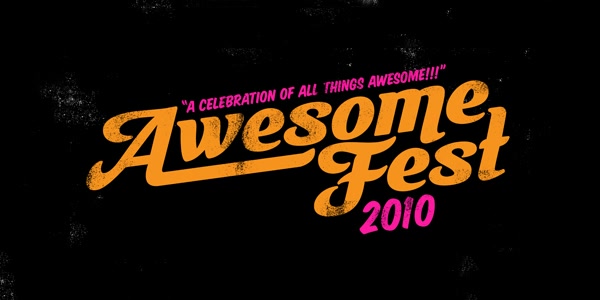
    Awesome Fest 2010

    Music is obviously a massive part of your work, and your life. What music do you listen to whilst you’re working?

    I like to keep a pretty chill atmosphere. I’m usually playing stuff like Ulrich Schnauss, The Album Leaf, Bon Iver, Death Cab, Postal Service, etc. But productivity can really increase if I blast Glassjaw, Deftones, or Rival Schools. Plenty of days, I’ll also just listen to the band that I’m working on. It’s not uncommon to hear Katy Perry or Bruno Mars spinning in the office.

    You are in the band Dead Poetic, a relatively successful post-hardcore band. How does being a designer compare to being in a band? Are there any parallels to be drawn, and which do you prefer?

    Being in a band, touring, and recording albums are thee most fun things I have ever done in my life. I often equate the years when Dead Poetic was active to other peoples’ “college years,” where every day was a complete blast, and you were making memories that would last forever. The main parallels between the two is balancing the perception that the band has of themselves with the perception that the fans have of the band. Knowing the balance is what helps me be successful at what I do. Art and design, however, is my first love. I feel like myself when I’m designing. I had always wanted design to be the priority, and I’m glad it’s been my main focus for the past 6 years.

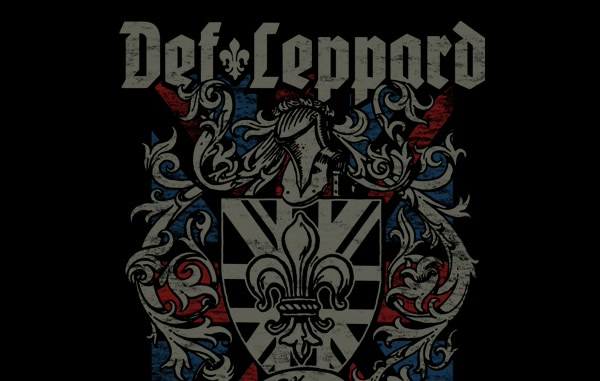
    Merch for Def Leppard

    What design tools could you not live without?

    As technology evolves, our needs will change. My current necessities include a 27” iMac, a five-button mouse, a Wacom Cintiq 12WX, Illustrator, Photoshop, Font Explorer, Sharpies, Mechanical Pencils, Top Bound Notepads and Sketchbooks, and a few other tools that I’ll keep secret.

    And finally, what tips would you give to anybody who is looking to get started in design?

    I guess my best advice is to first learn how to be a responsible adult and to work harder than everyone else. There is the design skill, but your dependability and work ethic are what will give you longevity in this field. Don’t be lazy. Obsess over design, and always be wanting to learn and see more. Constantly demote yourself to being a “student” of design. The day you think you have it all figured out is the beginning of your demise as a relevant designer.

    Thanks Brandon!

    Thanks so much to Brandon to take time out of his schedule to talk to One Minute With. I personally found his answers very interesting, and hopefully you do too!

    Why not check out Brandon’s site, and follow him on Dribbble and Twitter?

    Related Posts:

  9. One Minute With… Kamil Khadeyev

    2 Comments

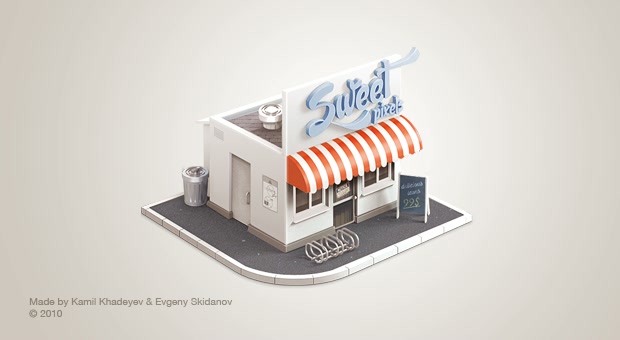
    Sweet Pixels

    Hi Kamil, thanks for taking time to chat with One Minute With. Tell us a little bit about yourself and your work.

    Hey :) My name is Kamil Khadeyev, I’m 23 years and I’m a graphic designer. I live in beautiful city called Kazan. It’s in Russia, near to Moscow. I’m keen on everything related to the screen graphics, whether it is graphic user interface design for iPhone or icons/illustrations for websites.

    Walk us through a typical day in the life of Kamil Khadeyev.

    I have shifted day-night schedule. My day begins after noon with checking my e-mail/Twitter/Skype and to-do list. Then I try to determine what I am going to do today and start working. After finishing scheduled work I take a break to go outside, have a chat with friends, watch TV and read some books. And usually I finish my day after midnight by watching some TV-show (like “How I met Your Mother” and “The Big Bang Theory”) and/or by listening to audiobooks or podcasts.

    Kamil

    How did you get your first design client?

    When I was in school, I played browser-based RPG called “Combats.Ru” (it was kinda popular in Russia a while ago). In those times I’ve just started getting into design. I did some graphics for clan sites from that game for practice . And one day one of those clans invited me to join them. A chief of that clan also happened to be a supervisor of an advertising agency in my city. So, he hired me for my first real project :)

    How do you approach a new project? What’s your design process like?

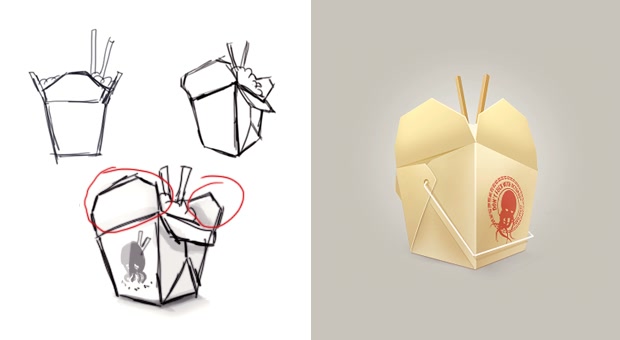
    If we’re talking about icon design, then I start with sketches of ideas for a future illustration. I try to come up with as many ideas as I can. Though I usually show only the best of them to the client (3-5 sketches). And I’d like to say, that I use sketches and mood-boards only as a communication tool. They can look not so cool, but their only purpose is a delivery of my idea to the client, therefore I don’t polish them too much. After sketching stage, I run Adobe Photoshop and Adobe Illustrator and start using magic :P

    Sexy Icons

    You’ve worked extensively with icon design, illustration, and web work – Is there one you prefer over the other, and why?

    Actually, I can’t say, that I prefer one design type over another. I like trying something new. So I’m still searching my niche. I want to try design of promo sites, maybe even product design. I’ve started learning Cinema4D recently, so I guess it will affect my work soon too. In general, I like making something that looks awesome, hehe :D

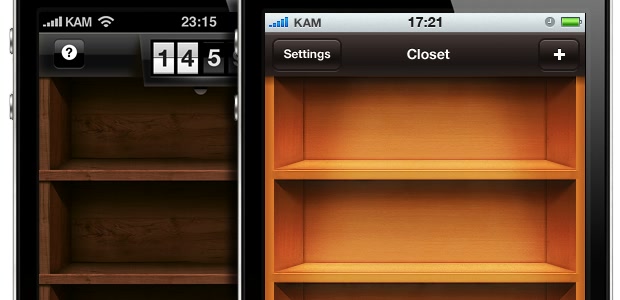
    An iPhone UI

    This is a massive generalisation, but in the design community, Russians are known for creating perfect, shiny, lickable 3D illustrations that us mere mortals can’t help but envy. Why is it, do you feel, that Russia grows such amazing icon designers, compared to the rest of the world?

    Hehe :) Well, I have a few theories about this. Here’s one of them: in Russia if you post your work somewhere, you get tons of not very positive criticism. It is kinda harsh in comparison to Dribbble. Any small mistake will be found and will be shown to you as your flaw. In Russia it is also called “lynching”, hehe :) So, after a couple of those lynchings, a designer is getting to the point where he has two options: a) to leave design (or at least do not show his works in public) and b) to start thinking ahead and try working on each and every small detail, to make his works perfect.
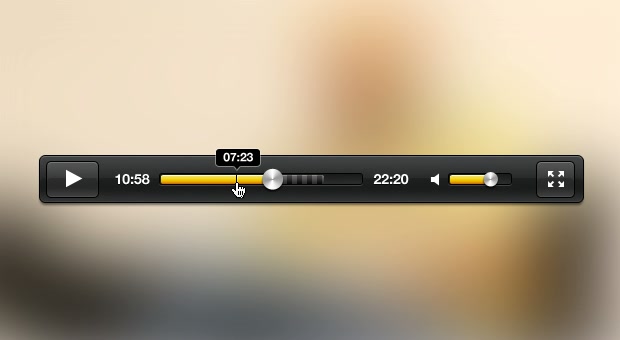
    A media player

    You do a lot of work simply for practice, in order to improve your skills. How important is that, and how do you manage to fit it in around payed client work?

    For me design was grown out of a hobby. I started with drawing something for myself, just for fun. And I still can’t live without it. Especially because of my love of trying something new — I need to practice first and gain some skills before taking real projects. Besides, it helps me to fill my portfolio with works. And I hope someday one of my “works for practice” will grow into my own personal project. So it’s a win-win situation.

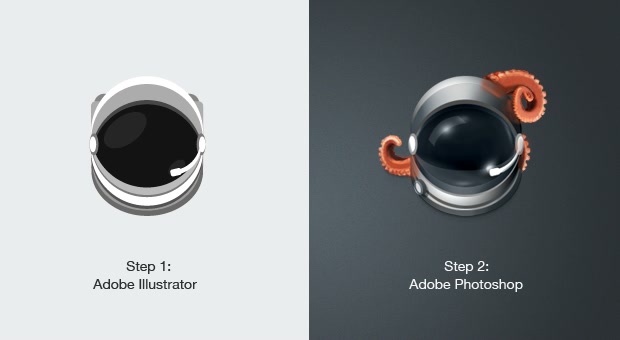
    Helmet

    What design tools could you not live without?

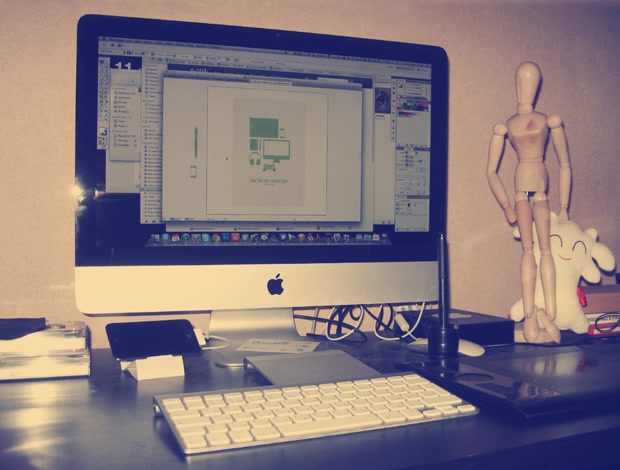
    I have iMac 21.5″ (late 2009) with 12GB RAM, Wacom Intous 4 M and Magic Trackpad. I don’t use a mouse at all. Speaking of software, I use a default “design-package”: Adobe Illustrator and Adobe Photoshop. Sometimes I use Google Sketchup for making drafts of 3d objects, to check perspective in my icons and illustrations. I know, some of the guys from icon-design industry think that using 3D software is cheating (Hey, Pedja and Kajdax! :P), but I reckon it’s okay, especially for production purposes, when you have strict deadlines and need to make your work fast. Also I use Byword for writing articles, Awesome Note for iPhone for writing fast notes/ideas. And I can’t live without CloudApp for sharing sketches, screenshots and other files with my mates and clients.

    Kamil's Desk

    And finally, what tips would you give to anybody who is looking to get started in design?

    Do what you like and like what you do. Try to find something interesting in each project. Something that you’ll love in your work. Enjoy the actual process of working and you’ll get the best result you can reach.

    Thanks Kamil!

    Thanks a million to Kamil for chatting to OneMinuteWith! I loved talking with him, and hopefully you enjoy his answers as much as me!

    Why not check out Kamil’s site, and follow him on Dribbble and Twitter?

    Related Posts: