Author Archives: Conor O'Driscoll

About Conor O'Driscoll

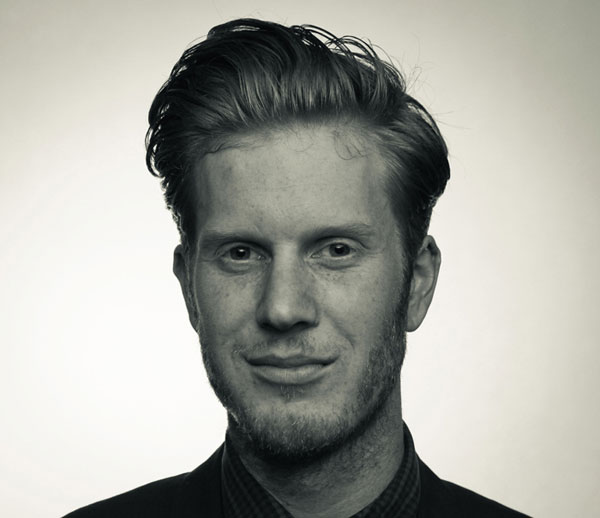
Conor O'Driscoll is a designer and writer, who writes for AppStorm.net. He also enjoys writing about himself in the third person.
  1. One Minute With… Seb Lester

    1 Comment
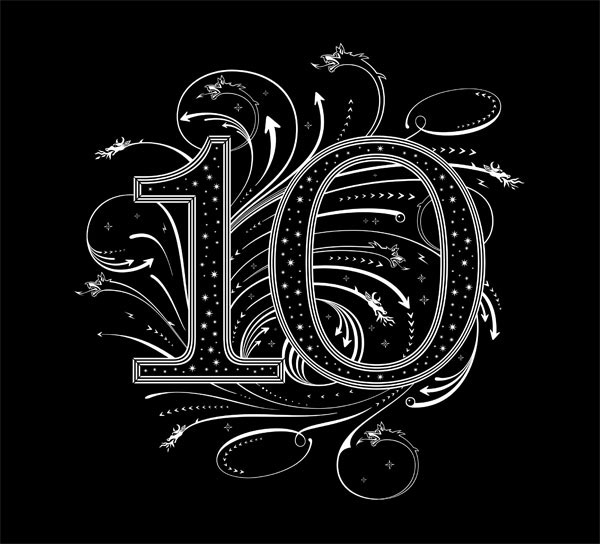
    Semi-Permanent - Seb Lester Interview

    ’10’
    Client: ‘Semi-Permanent’

    Hi Seb, thanks for taking time to chat with One Minute With. Tell us a little bit about yourself and your work.

    I’m a designer and artist. I love letterforms and they’re the focus of much of my life. I recently moved from London to Lewes in East Sussex, where I now live with my patient partner, Pamela, and our cat Pye. I have been described, mainly by myself when I’m drunk, as a leading image maker.

    Walk us through a typical day in the life of Seb Lester.

    It varies, but I’m currently working on a huge Christmas campaign. First thing in the morning, before work, I go out on my BMX to a local skatepark. It’s a good way to get some exercise and think about what I have to do that day. I work long hours and tend to do my best work in the early hours of the morning.

    When I’m not working I spend time with my partner, practice calligraphy, doodle, develop ideas and post stupid pictures on social networking sites. I try and socialise a couple of times a week.
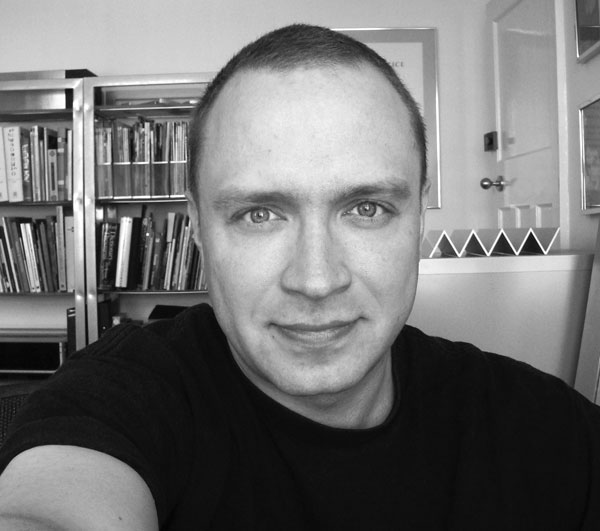
    Seb Lester Interview

    How did you get into design? Was there a defining point in your career, and if so, how did it shape you as a designer?

    I was always going to work in art or design. I suppose being offered a full time job as a type designer in 2001 was a defining moment of sorts. I was pleased when my typeface Neo was the official typeface of the 2010 Vancouver Winter Olympics, and when I designed the book jackets for J. D. Salinger’s back catalogue. He signed the work off personally shortly before he died. I hope my book jackets didn’t send him over the edge. But when I look back at my life I hope these aren’t real defining moments. I hope they’re simply fun things that happened along the way.
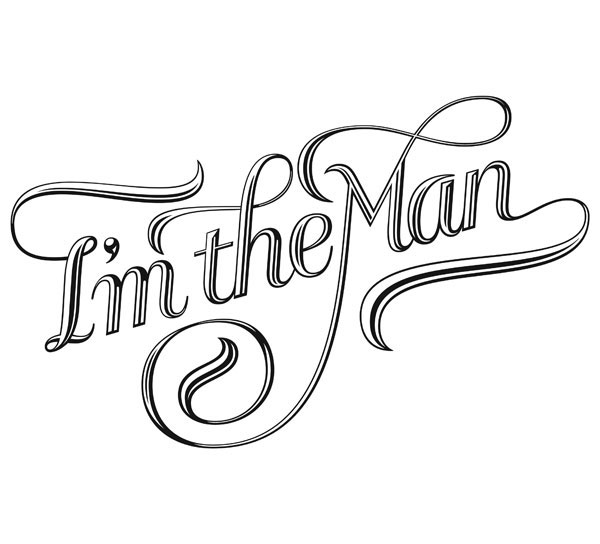
    I'm the Man - Nike - Seb Lester Interview

    ‘I’m the Man’
    Client: Nike
    Art Direction: Mark Thede

    How do you approach a new project? What’s your creative process like?

    I try not to be a stylist. Bruce Lee believed in being ‘formless’ in his discipline and I aspire to be the same in mine. Ideally I want to try to constantly evolve and progress, with quality being the only theme running through my work. It’s easier said than done because clients tend to want to commission work that looks similar to something you’ve done before, which is often commissioned work based on other work you’ve done. But it’s achievable. No one would guess the project I’m currently working on, for example, had been done by me.

    Time is the most valuable commodity we have, so I increasingly try to only take on projects that really excite me. If a job is too prestigious and well paid to say no to that can tip the balance as well. Otherwise my time would be much better spent working on new personal work.

    When this client project is over I will be focusing entirely on a major personal project. I’ve wanted to do this project for three long years but haven’t been able to for a number of reasons. I’m very psyched up about finally being able to do it because it’s going to challenge me enormously. This project will happen. In all seriousness, unless Giorgio Armani calls personally to say he wants to fly me over to New York to write calligraphy all over Claudia Schiffer’s glorious naked body for a global ad campaign, I will be fully booked for six weeks.
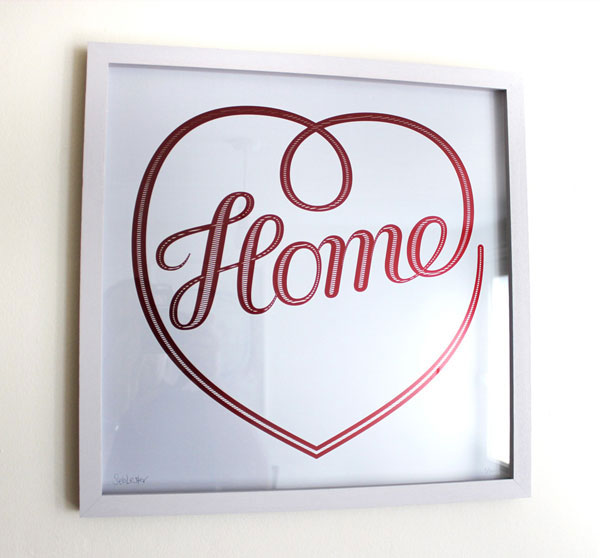
    Home Print - Seb Lester Interview

    Like a lot of designers, you sell prints of your awesome type work online. How beneficial have you found this?

    Very beneficial, they’ve opened doors and kept me sane. I’d spent nine years designing corporate typefaces for clients like British Airways, H&M, Barclays, Intel, The Daily Telegraph and many others. I needed an outlet during this phase for my own ideas, which was why I developed the typefaces Scene, Neo and Soho. But they’re still corporate typefaces, which means they’re relatively conservative. They’re driven by functional requirements and common corporate aesthetic themes. I really needed a counterbalance to that so I started producing what are often very elaborate, intricate, showy, expressive prints. Thankfully people seem to like them. They sell well but, as time passes, I find myself less motivated by money. I’m more motivated by trying to fulfil my potential, whatever that may be, and produce the best work I am capable of.
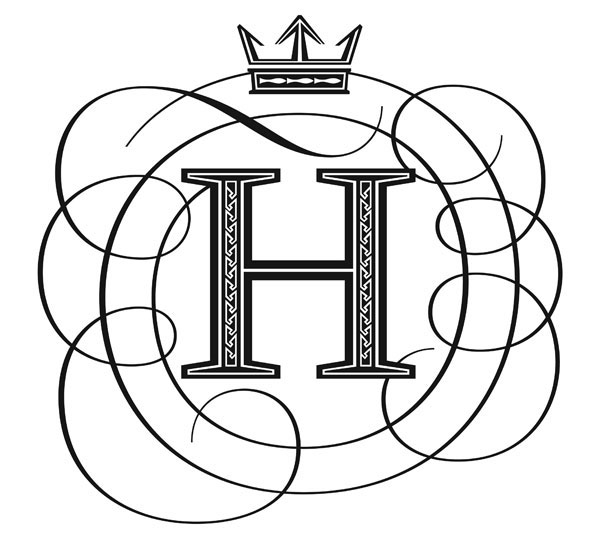
    Hederman - Seb Lester Interview

    ‘Hederman’
    Client: Hederman Smoked Fish
    Art Direction: Kenney Hamill

    You’re perhaps best known for two things: Great lettering, and fantastic fonts (such as Soho Gothic, Neo Sans, etc.) – How do the two disciplines compare? Which do you prefer, and why?

    I love both. But designing typefaces can be a bit like designing currency or street furniture. Your work can end up being all over the place but almost no-one knows who designed it, especially when you work for a large corporation. With art and illustration it’s very different because work of this nature has broader appeal and people associate you with it more. I like that.
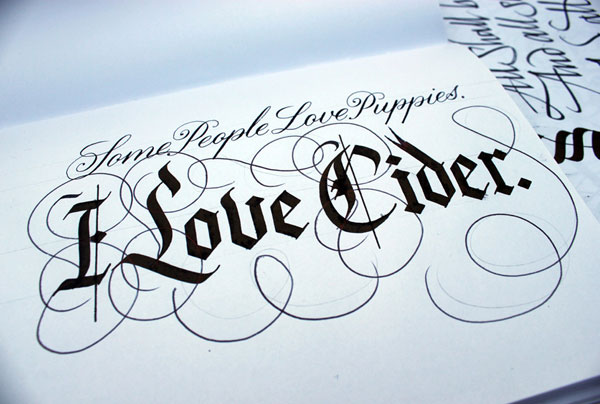
    I Love Cider Sketch - Seb Lester Interview

    If, in some Freaky Friday-like situation, you could live the life of another designer, illustrator or creative, for a day, who would it be, and why?

    Paul Franck. He was a calligrapher working in the 16th century. His most impressive work is a set of capital letters he produced. They look incredibly archaic now, but they have been described as the last word in flourishing. They’re so intensely florid and rich. He was very talented and I’d like to get inside his extraordinary head for a day to see what made him tick.

    What design tools could you not live without?

    I really just need sketchbooks, pens and pencils, a scanner and FontLab and I’m ready to go. I am burning through sketchbooks at the moment.
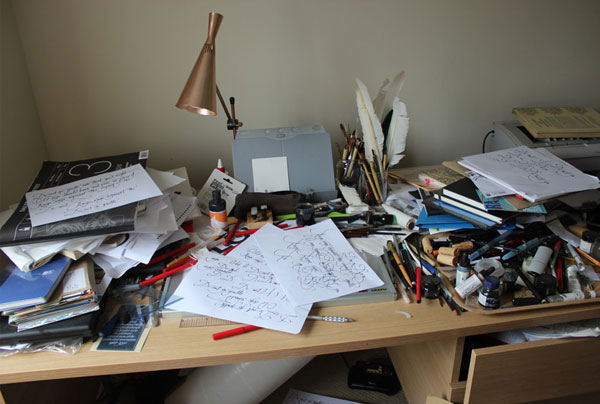
    Sexy, aspirational, lifestyle photo - Seb Lester Interview

    Sexy, aspirational lifestyle photo

    And finally, what tips would you give to anybody who is looking to get started in design?

    Mother Teresa once said “Work without love is slavery.” Work hard. But think hard about what you’re doing and why you’re doing it. Ask for and respond to honest feedback from a variety of people. If you’re an illustrator be aware of trends but don’t partake in them. Find your own voice. The best work transcends fashion. It’s timeless and based on the quality of the idea and its execution. If you think and work hard enough the big clients will come to you. Life is a fragile and fleeting experience. Don’t spend all your time helping other people realise their dreams with your work. Aim to fulfil some of your own.
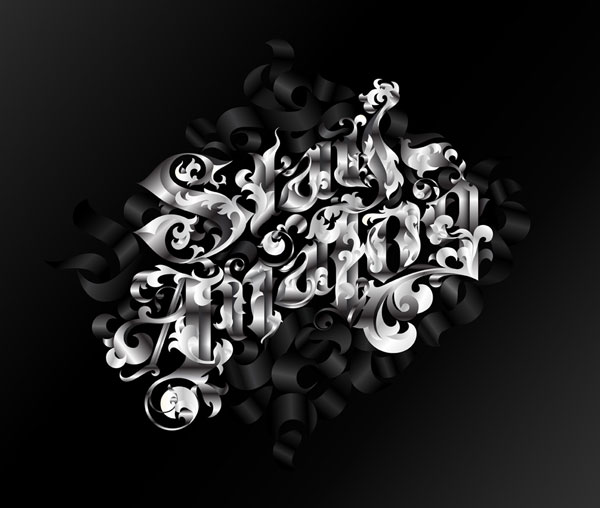
    Thanks Seb!

    Thanks so much to Seb for giving us an insight into his world! I really enjoyed talking to him, and found his answers really interesting!

    Why not check out Seb’s site, and follow him on Flickr and Twitter?

    Related Posts:

  2. One Minute With… Andrei Robu

    Leave a Comment

    Stay Analog - Andrei Robu Interview

    Hi Andrei, thanks for taking time to chat with One Minute With. Tell us a little bit about yourself and your work.

    Hi. I’m a brand designer with a passion for lettering a.k.a. I draw logos and letters for companies around the world.

    Walk us through a typical day in the life of Andrei Robu.

    A typical day means getting up around 10am (the luxury of being a freelancer, I know)… and working until midnight. This includes everyday calligraphy exercises, browsing and blogging, client and personal work.

    I try not to neglect any of these if I want to keep my lifestyle: I work hard for a couple of months, then I go somewhere really far away for 1-2 months. Others like to take sabbaticals once every 7 years, I probably work for half a year and travel the other half.

    Andrei Robu Interview

    How did you get into design? Was there a defining point in your career, and if so, how did it shape you as a designer?

    The roots of my career sprung at a very early age by doing graffiti. That evolved into tattooing. When I discovered the computer and illustrating in Flash I was blown away. I knew in an instant this is what I wanted to. So I never gave up drawing letters, I just did it digitally.. and this makes me happy every day.

    How do you approach a new project? What’s your creative process like?

    Thinking first, then pencil and paper for as long as it takes. After I finish exploring every possible lead, I pick up the best ideas and take them to the computer.

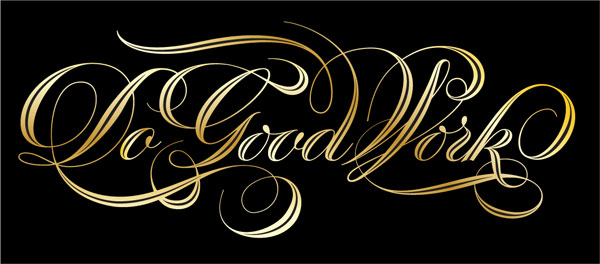
    Do Good Work - Andrei Robu Interview

    On your site, you say that although you got a BA in design, you consider yourself self-taught. Can you expand upon that thought? Do you feel that a formal education is beneficial in an industry that moves as fast as ours?

    I don’t know the situation in other countries, but the things you learn here in schools are hilarious. No connection with reality whatsoever..

    I’m kinda pissed off I had to learn everything by myself, probably most of you guys walked the same road, but success tastes great when you’re self-made.

    Otherwise I’d love to take some time to learn things the proper way, like the CooperType program in NY.

    Anyway, whatever school you’ve been to, it’s only up to you to dedicate your life and really want to get better at this. Nobody can teach you that.

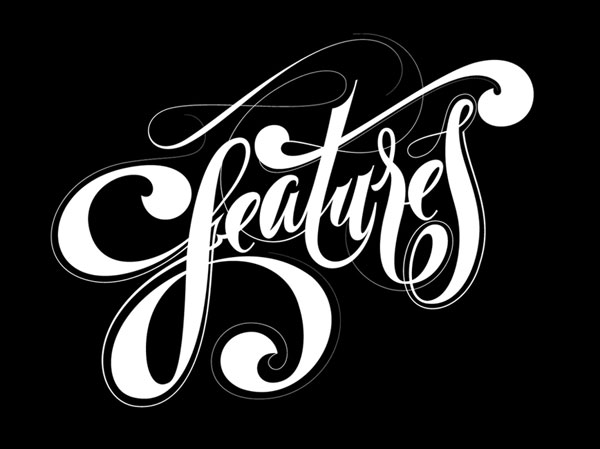
    Features - Andrei Robu Interview

    Through your blogs, Typeverything, Calligraphica and Designers Go To Heaven, you do a lot of work to promote the work of other designers. What led you to create these projects, and how important is it, in your opinion, to support your peers?

    Yeah it’s a lot of work but it’s worth it. Everything I know I learnt spending years of research and studying the masters. This is my way of thanking the internet and giving back.

    As each big art movement had it’s own characteristics (eg. Renaissance: realism)… I think our era’s main ingredient is typography. I try my best to master and document it. On these platforms, groups of really talented designers can share their work and inspiration with the world. Lots of people are getting work after being featured, others are learning from it. This is our way to support the community.

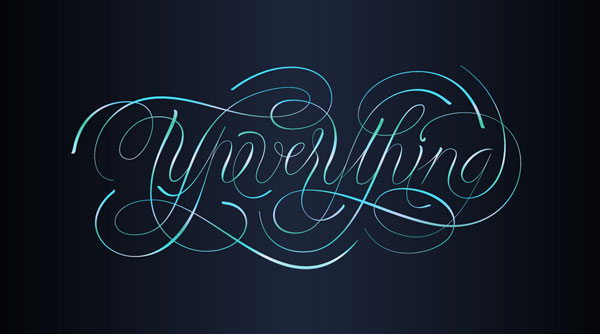
    Typeverything - Andrei Robu Interview

    If, in some Freaky Friday-like situation, you could live the life of another designer, illustrator or creative, for a day, who would it be, and why?

    If I could be someone else for a day, I’d be Doyald Young. His work and process inspired me for so long. I recommend his books for anyone passionate about type lettering.

    What design tools could you not live without?

    Pencil + Paper
    Illustrator + Vector Scribe
    Tumblr, Mail, Google Reader
    Wacom tablet

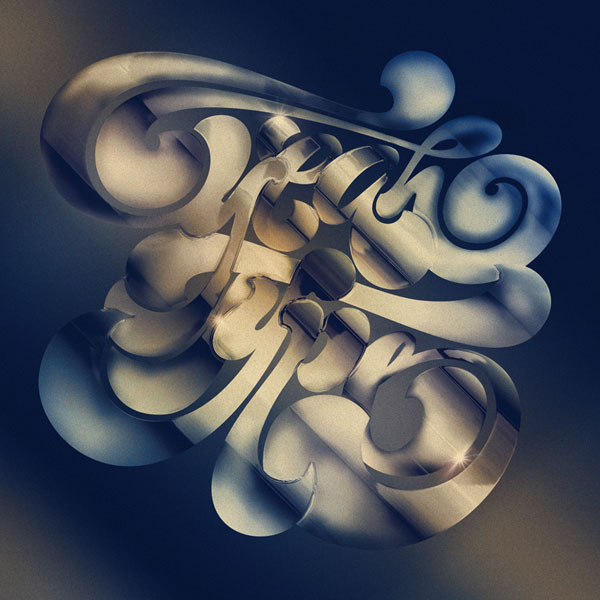
    Yeah Type - Andrei Robu Interview

    And finally, what tips would you give to anybody who is looking to get started in design?

    To be able to this job is such a gift. Take your time, respect it, study it, don’t rush.
    Learn from the best but never steal, you won’t be taken serious if you do.

    “Inspiration exists, but it has to find you working.”

    Thanks Andrei!

    Thanks so much to Andrei for giving us an insight into his world! I really enjoyed talking to him, and found his answers really interesting!

    Why not check out Andrei’s site, and follow him on Dribbble and Twitter?

    Related Posts:

  3. One Minute With… Tom Lane

    Leave a Comment

    Yellow Stuff - Tom Lane Interview

    Hi Tom, thanks for taking time to chat with One Minute With. Tell us a little bit about yourself and your work.

    Well, I’m a designer, illustrator, and letterer based in Bristol, the UK. I studied here and haven’t left. I met my wife and have some life-long friends around me and I’m happy. I’ve been independent for 8 years now, I set up Ginger Monkey straight after graduating from University. I get to do pretty fun projects due to being pretty strict about how and what I was creating in the early days and that has meant I’ve developed a portfolio that leads to more of the work I really love to do.

    Walk us through a typical day in the life of Tom Lane.

    I get up, make an espresso for me and the wife and get ready for the gym. I hit the pool or the weights and try and relax into the day whilst also getting my body and mind moving and in shape. Then I wonder down to my studio and do all the necessary emails and admin that comes with the job and hopefully get that out the way by 10ish. Then it’s usually hitting the drawing table to work on the project I’ve scheduled that day or part of it at least. It’s usually head down until lunch. I try and take a wonder to get some air and let some thoughts settle in and then back to the studio for more of the same. Music, audiobooks, social media distractions all thrown into the pot as well. I do limit distractions as much as possible though as it’s really important to have focus. Emails, phone calls etc. are done at specific times of the day to maximise productivity. I knock it on the head around 6. I wander or bike home to cook and eat with the wife then it’s either time with some friends, chilling with the wife, or, if I’ve messed up my schedule, working my ass off to meet a deadline. The latter not being ideal! Book or movie before bed.

    Tom Lane Interview

    How did you get into design? Was there a defining point in your career, and if so, how did it shape you as a designer?

    I left school without having really done much and didn’t go back to do A levels or really know what I was going to do. I was told by my folks to get a job, just take my time and have a think about what I wanted to do. I’m pretty lucky to have understanding parents. I worked in a supermarket for a couple of years and one of my buddies was studying at art college. He showed me some stuff, I thought it was cool and after a massive bust up with a manager I had to come up with something else to do or I could see I was going to get stuck. The seed had been planted and I headed up to the local art college and I managed to get on the graphic design course. No qualifications, no art background, I just pleaded and they took a chance on me. How I got into this career is really the most defining factor on my career. I wanted to do something different with my life and I saw this as an opportunity to do that, someone took a chance on me and I owed it to them and myself to do the best with it.

    How do you approach a new project? What’s your creative process like?

    First and foremost it’s understanding the job, the client, and the expectations. Get that nailed down as best as possible and you’ll be able to get the rest done with hopefully less trouble. Throughout the process it’s also about building trust. You can’t do your best work if your client doesn’t trust you. But you have to cultivate it though through your communication and actions in the initial part of the process so when you get to making things the client trusts your decision making over theirs.

    Projects always turn out better if I have time to play. That usually means lying on the sofa in the studio or at home with my sketchbook not trying to nail the brief but just pissing about with ideas and elements. Once I feel I’ve weeded out bad ideas, different alignments, compositions etc. I move onto my tidier, bigger sketchbook. Here I work more polished on maybe one or two routes born from my playing phase. I work and rework this rough. Once I’m happy with it I’ll make a final clean and crisp version to send over to the client with my thoughts and reasoning.

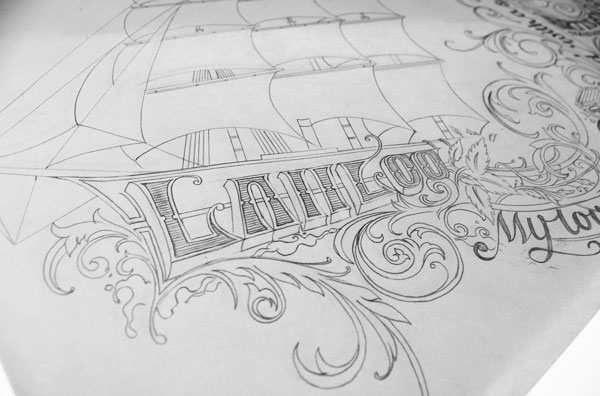
    Sketch - Tom Lane Interview

    You, like many designers and illustrators, run a store, in which you sell various delightful prints. In an industry where work can fluctuate so greatly, how important is a passive income source, do you feel?

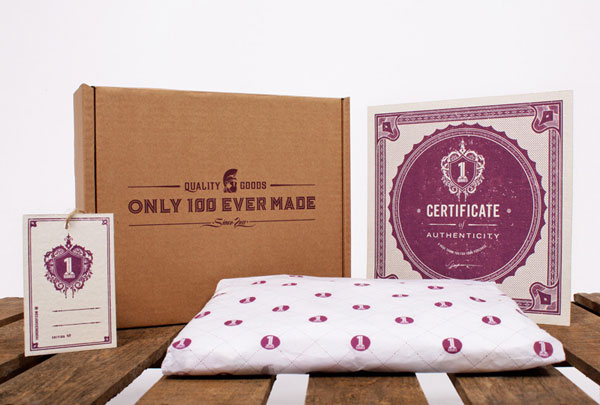
    I’ve just launched a new business that I hope takes that to a new level. 1hundred is a store based around producing quality goods and going that little bit extra to make something really worth having. Also, only 100 of the products are ever made so folks are treated to limited editions.

    I think it’s important that we simply keep pushing forward smartly and do what we can to give ourselves the best opportunities in the future. 1hundred exists for many reasons, one is yes, hopefully having a good second income from another source. Being self-employed means there isn’t much conventional financial security out there but I feel secure in the fact I’m in control of making things happen. I’m not really relying on anyone else. If you’re a designer, illustrator or a producer of anything that other people may want to own or share you should probably think to make the most of that and see what comes of it

    You’re best known for your incredible type-infused illustrations – Where do you get inspiration for your work?

    There isn’t really a specific answer, but I have a tendency to look pretty far back to the Victorian era, ancient cultures, Gaslight. I tend to just keep my eyes open and pick up little bits and piece on my day to day. Some stuff gets stuck in my memory and when I’m playing comes out and I run with it in my own way. Often I’m asked to represent certain time periods or themes so I have to research the visual material of that time to build the right look and feel to the artwork I produce.

    1Hundred Packaging - Tom Lane Interview

    If, in some Freaky Friday-like situation, you could live the life of another designer, illustrator or creative, for a day, who would it be, and why?

    Oh god, good question, I don’t know. It would be great to see what Da Vinci’s set-up was like I guess. Nah, I know, Don Draper. I know he’s not real but if I could be him for the day, that would rock.

    What design tools could you not live without?

    Clutch pencil, a good A3 pad, my lightbox for speeding up the last version of my art, a Wacom tablet for vectorising, Illustrator, Photoshop, MacBook Pro, camera, external hard drive, scanner, Dropbox. Done.

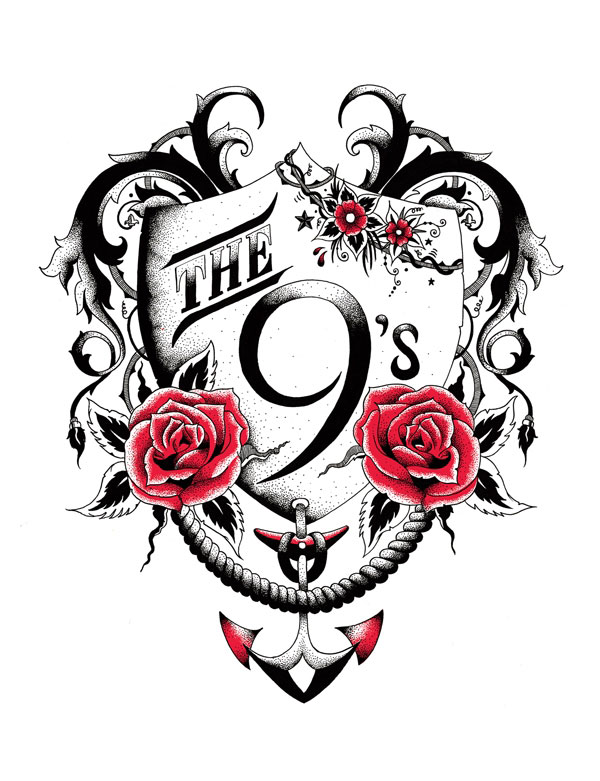
    The 9's - Tom Lane Interview

    And finally, what tips would you give to anybody who is looking to get started in design or illustration?

    Be yourself, listen, learn as much as you can off you own back, get the hell on with it, don’t waste time worrying how everyone else is doing it or that people are doing it better than you. Style comes later and is formed by your tastes but you have to do a lot of stuff to know what your tastes are. Practice, then practice, and then practice so more. If you spend most of your time in awe of other peoples work and chatting on social media, you probably aren’t practicing enough. Do some more.

    Thanks Tom!

    Many thanks to Tom for talking to us. I really enjoyed his answers, and hopefully you did too!

    Why not check out Tom’s site, and follow him on Dribbble and Twitter?

    Related Posts:

  4. One Minute With… Darren Booth

    Leave a Comment

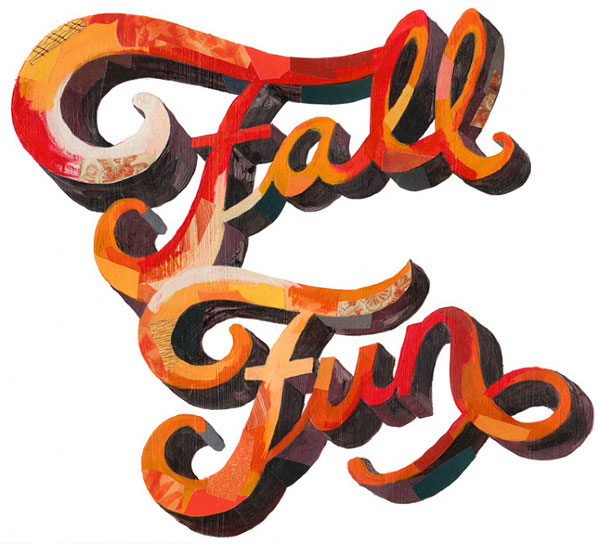
    Fall Fun - Darren Booth Interview

    Hi Darren, thanks for taking time to chat with One Minute With. Tell us a little bit about yourself and your work.

    I’m a freelance illustrator and letterer. I’ve been freelancing since 2001 and some of my clients include Coca-Cola, McDonalds, Random House, Penguin Books, Target, ESPN and Sony Music. I live in St. Catharines, Ontario, Canada with my wife and son.

    Walk us through a typical day in the life of Darren Booth.

    Wake up around 9am. Eat breakfast with my wife and son and then head to my studio. Take a million breaks to play with my 1 year old son and give him a few zurberts. Lunch at 12 and then back to work. Wind down for dinner and family time at 5pm. Then around 11pm I’ll work for a few more hours on either client work or personal work. Bed at 2am.

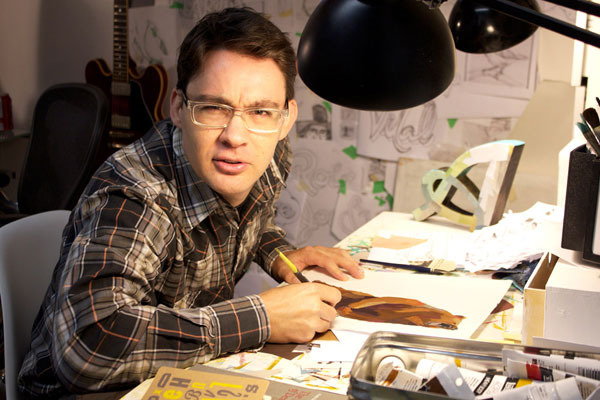
    Darren Booth Interview

    How did you get into design? Was there a defining point in your career, and if so, how did it shape you as a designer?

    Like many folks in our field, I attended art school. After a fundamentals year, I knew without a doubt that illustration was the right area for me to study. Graduated and immediately started freelancing. I struggled earning enough for the first few years so I got a job intercepting criminal communications as a wire tapper for one of the largest police forces in Canada. (Not the most likely job for an art school grad, is it?) I continued to freelance while working that job and after a few years I left it to freelance on a full-time basis.

    My defining moment came before my career even started – it happened about 6 weeks into art school. I always thought I was going to head into the Animation program when I started college, but once I started seeing projects on display from the Illustration program, I instantly knew that was what I wanted (needed) to do for the rest of my fucking life. From that point on, that’s all I focused on.

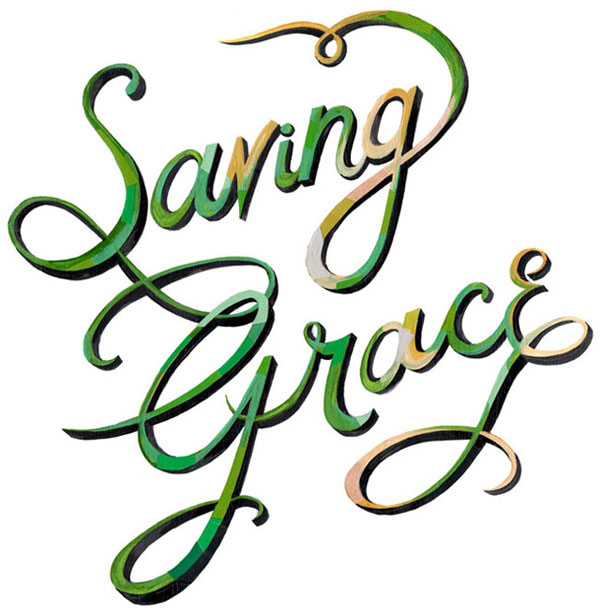
    Saving Grace - Darren Booth Interview

    How do you approach a new project? What’s your creative process like?

    Once I get briefed from the client, I just think about the project and let it marinate. After that, I’ll start thumbnailling some ideas until one feels right. Then I’ll create a proper sketch and send it to the client. I NEVER send a sketch to a client that I don’t like because, of course, that would be the one that would get chosen and then I’m stuck creating an image that I’m not overly thrilled about. That’s a pretty fast way to start hating what you do for a living, imo, and drawing pictures for a living is a pretty good gig so I try not to fuck that up. Once the client chooses a sketch, I’ll transfer the image and slave over it until all of a sudden it’s completed.

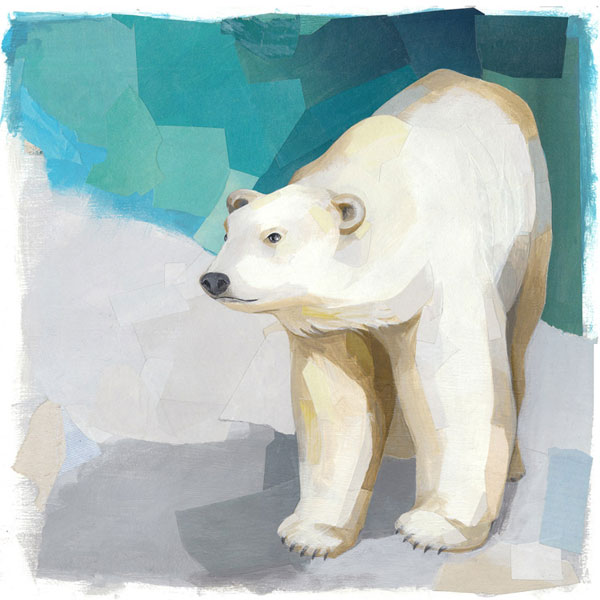
    Bear - Darren Booth Interview

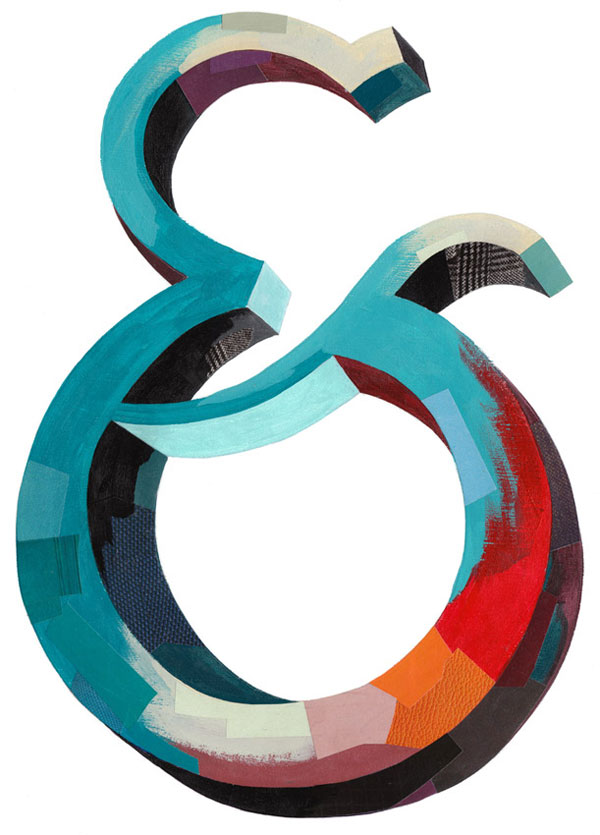
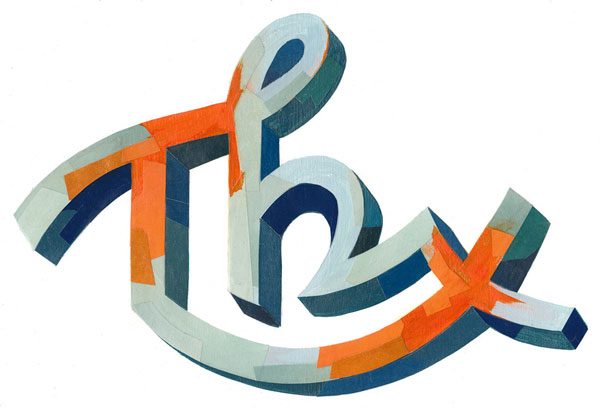
    Your work has a very distinctive organic, collage-y look to it. Where do you get inspiration?

    Thanks. Yeah, my work is acrylic and collage, 100% analog. I feel like such a dinosaur for working traditionally. Occasionally I’ll create a digital piece, but I fucking hate the process. I need to feel the brush hit the canvas, or dig through collage pieces and fit them all together by hand, etc. That’s the stuff that keeps me interested. I consider inspiration anything that makes me react in a positive way before I even realize why I’m liking it.

    And whilst we’re on the subject of this unique style of yours, was this something you intentionally tried to develop, or something that evolved naturally? In an industry so full of talented people, how important is it, in your opinion, to have a style that separates you from the rest?

    Near the end of art school is when my style began to gel together. Before that, it was a lot of learning and experimenting with different approaches or techniques. Eventually all that experimenting just mixed into something that looked somewhat cohesive and it’s evolved slowly over the years to what it is now. Having a style is important but it’s definitely not necessary. I’d say having good work is more important than having a style.

    Ampersand - Darren Booth Interview

    If, in some Freaky Friday-like situation, you could live the life of another designer, illustrator or creative, for a day, who would it be, and why?

    Paul Rand. I like people who are straight shooters.

    What design tools could you not live without?

    Scissors, found papers and glue. I could survive without a pencil or computer.

    Thx - Darren Booth Interview

    And finally, what tips would you give to anybody who is looking to get started in design?

    Be patient because the first few years aren’t easy. Also, don’t be a jerk.

    Thanks Darren!

    Many thanks to Darren for sharing his thoughts with OMW. I had a lot of fun talking to him, and I hope you love the interview as much I do!

    Why not check out Darren’s site, and follow him on Dribbble and Twitter?

    Related Posts:

  5. One Minute With… Greg Christman

    1 Comment

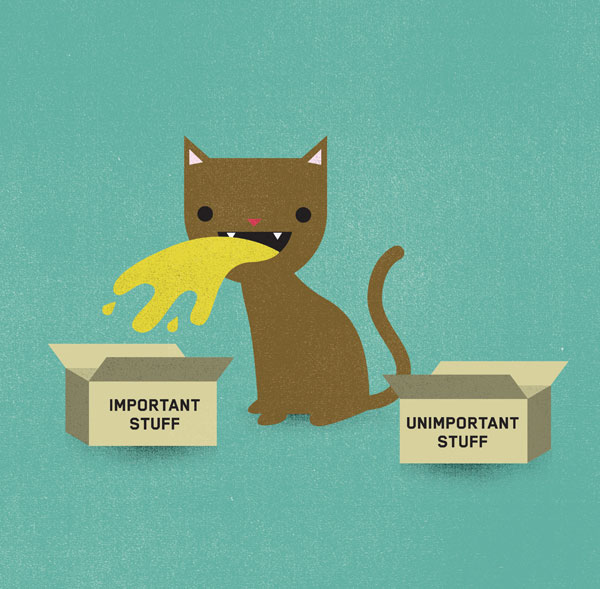
    Cat - Greg Christman Interview

    Hi Greg, thanks for taking time to chat with One Minute With. Tell us a little bit about yourself and your work.

    First off… thanks for having me! It is an honor to be here among friends and people I really admire. Secondly…I’m spending way more than a minute on this. False advertising Conor!

    I’m a designer, illustrator, typographer, husband and father based in good ol’ Philadelphia Pennsylvania. I grew up in Allentown (yes, the same place Billy Joel wrote that shitty song about) so I’ve lived in PA my whole life. I generally just try to keep myself as sleep-deprived and busy as possible – much to my wife’s chagrin. I’m excited to see what the effects of this will be on my body as I get older. Also – because it takes up a large portion of my life – I’m pretty obsessed with RoboCop.

    Walk us through a typical day in the life of Greg Christman.

    Depending on when my kiddo gets up, I’m generally awake between 5:30 – 7 am. I like to start the day off right by changing what is most likely a poop-filled diaper. This works to my advantage since I don’t drink coffee. After that I’ll do a bit of work, queue up a few posts on My Cat is a Dick, check emails, shower, get dressed and then hop on my bike for the ride to the office. I work with a bunch of super talented people making things pretty on the internets. After losing multiple games of foosball throughout the day I head home to hang with the family. Eventually everything settles down and I stay up way too late making stuff and drinking beer for very little money. It is both awesome and a terrible business model.

    Greg Christman Interview

    How did you get into design? Was there a defining point in your career, and if so, how did it shape you as a designer?

    I knew in high school that I wanted to be a designer. We had a great art/design program – thankfully, because I was a total fuck up in all other aspects of academia. I passed most of my classes by drawing pictures in the answer fields and hoping the teacher would give me a half point. Shit, now that I’m typing this my wife will probably yell at me that my son Oliver will someday read this and we won’t be able to discipline him for screwing around in school. Hey, future Oliver: “Get to your room and do your homework.”

    I also blame punk and hardcore music for my interest in design. I was in bands all throughout junior high/high school/college. Designing for my bands and my friends’ bands was always a big passion for me and it continues to be. I have a ton of friends still touring/playing and I’m always honored to work on a music project since I don’t have much time to play music myself these days. Helps me to still feel connected to that aspect of my life.

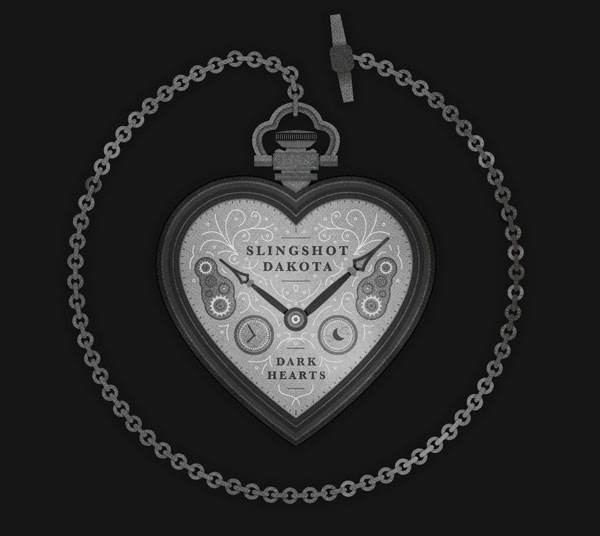
    Slingshot - Greg Christman Interview

    How do you approach a new project? What’s your creative process like?

    Step 1: Think of a dick and fart joke

    Step 2: Draw said dick and fart joke.

    Step 3: Profit.

    But in reality that’s a pretty loaded question. Each project is different. Sometimes I’ll go straight to Illustrator and the first thing I do is “it.” Sometimes it takes hours and hours of sketching. I really enjoy breaking a project down to its simplest form and then building it up from there.

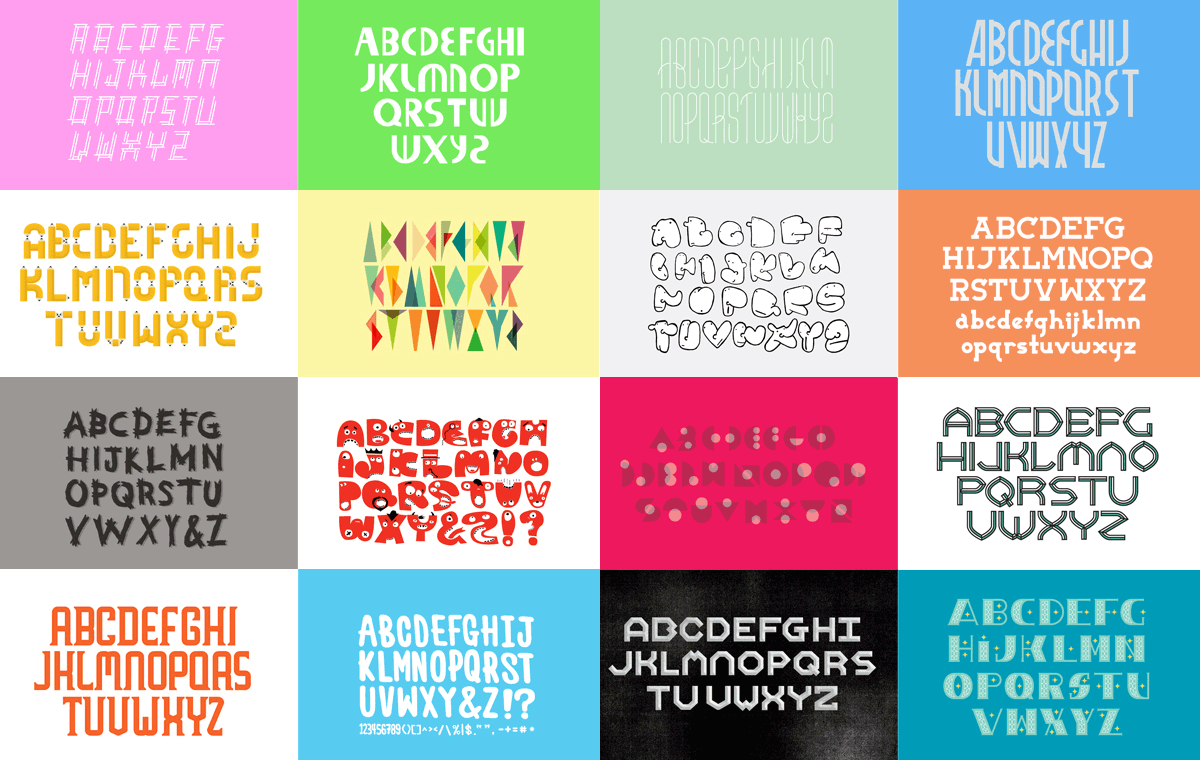
    Type - Greg Christman Interview

    Your design work spans a load of fields, from logo design, to illustration, to print design, to lettering, and so on. If, in some horrible hypothetical universe, you could only do one of these things, which would it be, and why?

    That’s a tough one… I’d probably have to go with lettering. My friends Alex Liebold, Eric Swartzwelder and I have been working on Context Type Foundry for 5 years but life/work keeps getting in the way. We have roughly 30 typefaces in various stages of completion and it’s looking like this project will be a reality in the near future. I often find myself doing a single custom letter for a project and then I end up finishing the entire typeface that night instead of working on the actual project. I’m pretty sure I have ADD.

    Much of your design work has a slightly retro, organic feel to it. Where, who, when or what inspires you?

    Honestly I’m mostly inspired by my friends. It’s a cheesy answer but I really am lucky to be friends with so many talented people. It motivates me to push myself and keep creating as much as I can. I draw a lot of inspiration from comedy as well. Most of the personal pieces I do tend to have a bit of humor to them. And since I’m super awkward and could never do standup, I tend to just doodle pictures of boobs and wieners and stuff.

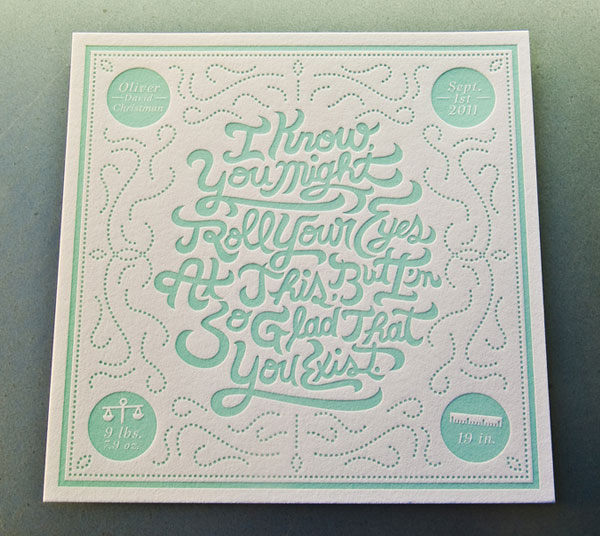
    Birth Announcement - Greg Christman Interview

    If, in some Freaky Friday-like situation, you could live the life of another designer, illustrator or creative, for a day, who would it be, and why?

    Ray Harryhaussen. I’ve always loved stop-motion animation and movie special effects in general. I wore out my tape of “The Seventh Voyage of Sinbad” as a kid. There’s just something so magical and real about that old style of film making. Anything can be created with CGI now, but it took a lot more creativity and imagination to figure out how to do those special effects before the advent of computer graphics. Which is something I think is making a comeback now, whether it be the return to vinyl/analog recording for music or the hands-on nature of letterpress with design. I love seeing the artist’s touch. Makes it feel more personal.

    What design tools could you not live without?

    Weed.

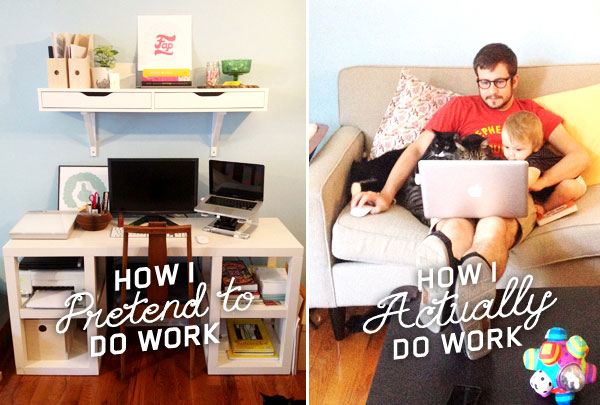
    Greg's Workspace - Greg Christman Interview

    And finally, what tips would you give to anybody who is looking to get started in design?

    Do what makes you happy and don’t just settle for a paycheck. If you have to put in the extra hours, do it.

    I think as designers we do this because it’s a passion. I mean, clearly it’s not just for the pay. Even when I’m not designing I’m thinking about design. If I totaled up the hours I spend on a project against what I’m actually being paid for I might as well work at a minimum wage job…and I’m completely fine with that. Don’t get me wrong. I love money. I just love a good final product more. Again, terrible business model. I’m gonna go drink a beer.

    Thanks Greg!

    Thanks so much to Greg for giving us an insight into his world! I really enjoyed talking to him, and found his answers really interesting!

    Why not check out Greg’s site, and follow him on Dribbble and Twitter?

    Related Posts:

  6. One Minute With… Matthew Manos

    1 Comment

    Drawing - Matthew Manos Interview

    Hi Matt, thanks for taking time to chat with One Minute With. Tell us a little bit about yourself and your work.

    Hi! I am a recovering graphic designer that has evolved into a full-time design entrepreneur. I currently lead strategy and business development for verynice (my company), in Los Angeles, and I get a kick out of coming up with ideas for things that I don’t have time to do. I see business as a medium that is no different than Photoshop, Illustrator, or a tube of paint – just another form of creative expression.

    Walk us through a typical day in the life of Matthew Manos.

    My days are generally packed with talking to people. Because my role within verynice has shifted from Creative Director to this more “executive” kind of role, I spend a lot of times in meetings. It sounds lame, but I actually love it – I see it as a performance art. Often times I’ll assume different personas when talking to people. It makes my life more interesting, more theatrical. I see personas as a medium of design, too. That is about 40% of my day.

    Aside from meeting with people, I spend a lot of time designing, but never within one category. Sometimes I’ll find myself making a logo, sometimes an app, sometimes a business plan, sometimes a product, sometimes an experience. I really like being all over the place. If I’m doing one type of thing for too long I go a little crazy. This is probably another 40% of my day.

    The final 20% of the day is flexible. I’m currently working on launching a new company, am dreaming about writing a comic book, am dreaming about writing a booky book, and am working on launching a whole new series of initiatives within verynice, all related to the relationship between design, education, and entrepreneurship.

    Matthew Manos Interview

    How did you get into design? Was there a defining point in your career, and if so, how did it shape you as a designer?

    My design career actually started through my interest in painting. At a young age, I was always obsessed with landscapes and abstraction. This interest eventually evolved to become my first company – a painting business that produced artwork for people’s homes based on their personality and the space it was intended to hang. Over the course of two summers, I sold close to 150 paintings. This experience showed me what it was like to work with people to produce art. I then learned that design was very much about that, too, and signed up for a design class during my senior year of high school. Armed with a pirated copy of Photoshop, I reached out to a local non-profit organization, Wheelchair Skater, to design some stickers for them – they became my first pro-bono client. This really was a game-changer for me because not only did this little venture of mine introduce me to design, it introduced me to entrepreneurship. Turning point 1/3.

    I then studied Design Media Arts at UCLA where I became more and more fascinated with the tangibility of design, and the power of communication, in general. Eager to try the things I was learning outside of the classroom context, I volunteered for over 30 student organizations, and really built upon my freelance career as a web designer, graphic designer, animator, and video editor. Excited by the idea of taking this freelance career to the next level, in 2008, I started to draft ideas for what my ideal design firm would be. Over the course of the next year, I launched verynice, but simultaneously took on a ton of internships so that I could get a first-person perspective on how some of LA’s greatest designers were running their companies. These internship experiences shaped me as a “business man,” but also confirmed my hypothesis that there was a need to innovate in the social sector. Turning point 2/3.

    After UCLA I hopped straight into grad school at Art Center College of Design, where I studied Media Design for two years. This entire experience was eye opening to me, and confirmed a lot of the struggles I had been having with the design industry, and that is this: To say that websites, posters, logos, etc. are what encompass the role of designers, is to miss out on millions of other places the mind of a creative can go. It was at Art Center that I really came to terms with who I am as a designer, and how I see design’s role evolving. Turning point 3/3.

    How do you approach a new project? What’s your creative process like?

    Restriction defines my creative process. Many of my personal art and design projects from the past 3 years or so have started by setting a series of rules for myself. The first time I did this was for my senior project at UCLA, titled “Mandolin & Unicycle,” a project in which I gave myself 10 weeks to learn two things I have always wanted to learn, simultaneously. The rules I set were these:

    – In 3 weeks, learn a song on the mandolin.
    – In 3 weeks, learn how to ride the unicycle straight, for one block.
    – In the remaining 4 weeks, learn how to play the song while simultaneously riding the unicycle.

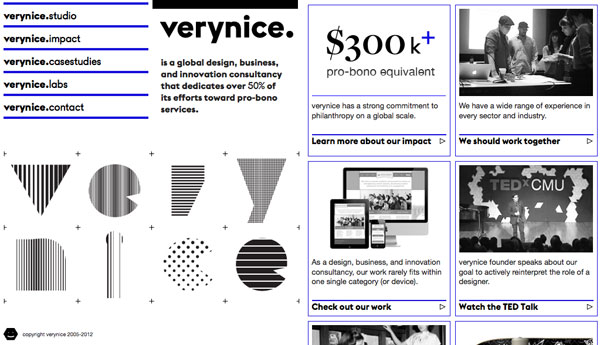
    verynice - Matthew Manos Interview

    When you were just 20 years old, you set up your design company verynice – How does running a creative agency compare to working freelance? What new challenges does it bring?

    My freelance career began at age 16, and this later evolved and sort of merged under the name “verynice” when I turned 20. The decision was really intentional – I started saying “we” instead of “me” before there truly was a “we” as a way to gain quicker respect and trust from clients. It’s a sad reality, but when you are a young person in this world, people’s expectations of what you are capable of are quite narrow. They don’t judge you on what you have done, and what you have accomplished. They judge you on where they think you should be, given your age. So the shift from “Matthew Manos” to “verynice” was a response, of sorts, to that struggle.

    The good news is that the studio has since grown to be a home for over 100 collaborators across the globe, so now when I say “we,” I mean it.

    verynice is notable for the fact that you have given $350,000 worth of pro bono work to non-profits – Tell us a bit about this idea, why you decided to do it, and how that has actually manifested itself over the past 3 years.

    What makes verynice unique is that over 50% of our efforts are given away for free, to non-profit organizations. This was a conscience decision from the very beginning – the hope to really disrupt the way the design industry operates, from an economical standpoint. Non-profit organizations in the United States allocate a total of 7.6 billion dollars for design and marketing expenditures, annually. Yes – annually. Above all aspirations, I really hope verynice can be seen as an inspiration to other design firms, proof that pro-bono can be a part of every day business. Imagine what could be accomplished if organizations had a spare 7.6 billion, every year. There is some amazing possibility and potential for impact, and it is in our hands – we can make that happen.

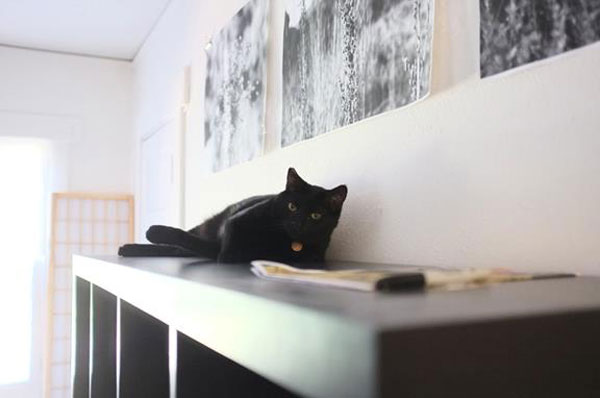
    A cat - Matthew Manos Interview

    The verynice office mascot.

    If, in some Freaky Friday-like situation, you could live the life of another designer, illustrator or creative, for a day, who would it be, and why?

    I am so glad you asked. I would absolutely love to switch bodies with Swiss Miss. I love the idea of being able to manage a bunch of small things that are all my own – not attached to any client or agency. That was the direction I had always wanted to go in, and it is starting to happen, but it just takes time and patience.

    What design tools could you not live without?

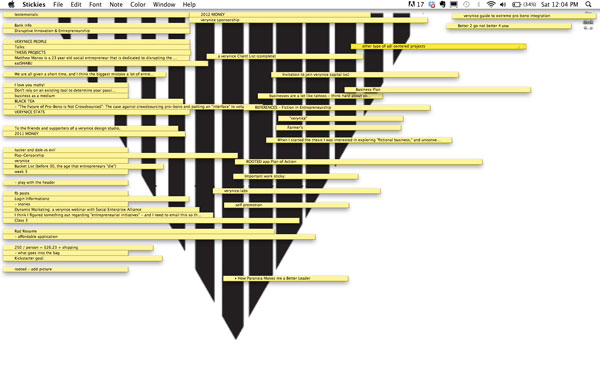
    People think I am crazy, but I could not live without the sticky notes application that comes free on Macs. I have hundreds of these. It seems chaotic, but it all juts makes sense – this is where my business plans are, my ideas, brainstorms for new creative projects, my finances, everything. Extremely dangerous, 100% not safe, but hey – it works!
    I also could not live without my Moleskine notebook. Every project I take on is first sketched out with pen and paper in my notebook. I just love how messy they get, and how worn they become over time.

    Matt's Desktop - Matthew Manos Interview

    And finally, what tips would you give to anybody who is looking to get started in design?

    In design school you will often be told what design is, the types of mediums it is comprised of, and the value it can have on society, or in business. I encourage anybody who is just starting in design to be open enough to define all of those things for yourself.

    Marketing and design is shifting significantly, and the role of designers, right now, is drastically different than it was during those Mad Men days. We are entering a future in which every thing around us, from the sidewalks we walk on, to the cities we live in, to the hats on our head, can be mediums for communication and engagement. Because of this reality, discovering problems and solutions will become a very difficult task. The role of a designer will soon not be to produce materials, but instead to define and discover the root of a problem that cannot be seen with a naked eye. Be open to that possibility – it is an exciting one.

    Thanks Matt!

    Many thanks to Matt for sharing his thoughts with OMW. I had a lot of fun talking to him, and I hope you love the interview as much I do!

    Why not check out Matt’s site, and follow him on Twitter?

    Related Posts:

  7. One Minute With… Rich Thornett

    Leave a Comment

    Dribble Profile - Rich Thornett Interview

    Hi Rich, thanks for taking time to chat with One Minute With. Tell us a little bit about yourself and your work.

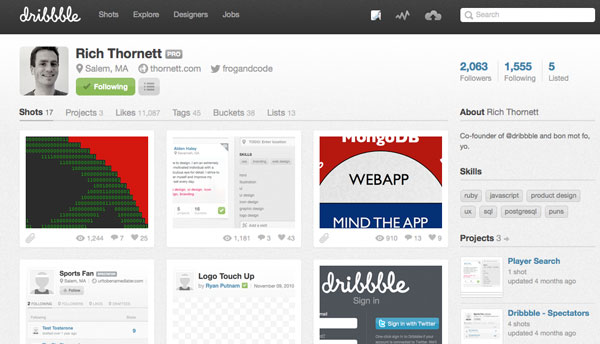
    I live and work in Salem, Massachusetts. I’m married to a wonderful, witty woman and have two beautiful-but-bonkers children. Professionally, I do product design and software development at Dribbble, a community where designers share screenshots of what they’re working on. It started out as a side project with my friend and neighbor, Dan Cederholm, and has turned into a full-time job and adventure for both of us.

    Walk us through a typical day in the life of Rich Thornett.

    My routine is pretty boring, but you asked… :)

    I don’t have a boss and my office is a short walk from home, so in lieu of commuting, I hang out with my kids during the morning while they eat breakfast and get ready for school or camp. Lately, we’ve been reading Harry Potter during breakfast. (I told you this was exciting.) Having the flexibility to optimize my time with the kids has been one of the best things about working for myself.

    Once they’re out the door, I exercise – typically I run or play basketball. Then I shower and head to work. So I get in a bit late, but I haven’t fired myself. Yet.

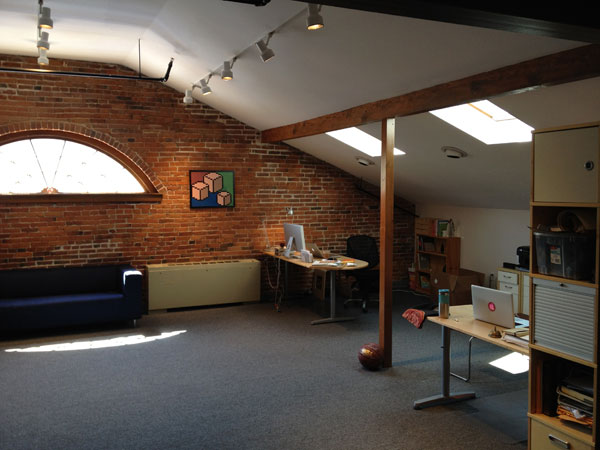
    I spend the rest of the day working on all things Dribbble – responding to email (it’s frightening how much time I spend emailing of late), bug fixes, product planning, new development, and recently, carrying heavy things as we moved to a nifty new office that gives us room to grow.

    When I get home at night, I hang out with my family – dinner, playtime, bedtime. I don’t have a lot of spare time for much else, but I’m a pro basketball junkie – I spend too much time reading basketball blogs – and I’m working through my Netflix queue. Breaking Bad and Supernatural are recent faves.

    Rich Thornett Interview

    What led you to becoming a developer? Was there a defining point in your career, and if so, how did it shape you as a dev?

    What led to me becoming a developer? The Web. I graduated from college in the mid-90s and took a few research assistant jobs out of school. I was very naive about careers and assumed I would do something in academia or research-related; that was all I knew. I was plodding through Excel spreadsheets when the Web came along and blew my mind. I decided to learn how to program and build web applications for a living.

    I majored in Economics and Philosophy and had no background in computer science, so I had a lot to learn. I started teaching myself to code and enrolled in a Master’s program in Information Science. To this day I’m not sure what information science is, but it was a nascent discipline and, in large part, I was able to design my own curriculum around internet technologies and programming. I spent a ton of time in a very nice computer lab in Chapel Hill, North Carolina where I taught myself Perl, PHP, Java and SQL.

    With more foresight, I would have gotten computer science training much earlier, but the master’s program got me immersed in application development. I shudder to think where my career would be had I not gotten caught in the Web.

    As for a defining point in my career, I think it’s Dribbble. The site has gotten a lot of notoriety, but more personally, it reawakened the urge to OWN my work. I got into programming to build applications for problems I cared about and to craft solutions that reflected my values. After more than a decade of working at startups and blue chips, my biggest frustration has been seeing so many projects fail or fall short due to deficits of taste, will or decision-making by product owners; or by the absence of a product owner. Many companies fail to realize the importance of having someone with taste and judgment at the helm of a project, someone who understands the past, present and future of a product, and its relation to the business. As John Gruber put it: “The quality of any collaborative creative endeavour tends to approach the level of taste of whoever is in control of the project.”

    I’m not good at visual design in the sense of choosing specific colors, type, etc, so I never thought of my self as a designer. But in every role I’ve had, I’ve been obsessed with copy, information design, feature selection, page layout, visual weight, messages and signals conveyed to users, application form and function, and business models. This, to me, is product design.

    Playing that role is what I’ve loved most about working on Dribbble. Whatever the future holds, it’s difficult to imagine playing a role without that level of strategic input and authority. It’s truly thrilling.

    Dribbble is a site built for a very creative, very web-savvy userbase. Do you think this makes it harder to work on, when you are under scrutiny from so many people with experience of developing similar platforms? Or does your community aid the development of Dribbble?

    Good question. This is definitely a double-edged sword. Getting the word out about Dribbble, growing the site and having great content has definitely been aided by the fact that our users are so savvy and talented. But criticism can be very harsh, and there can be drama at times. I certainly have much thicker skin than I did when I started this project.

    But overall, it’s a big win for Dribbble to have the community that we do. The site has been used by millions of people, it earns revenue that feeds our kids, and we’ve heard from many users that it’s changed their lives due to personal connections made and and work opportunities received. To get this kind of response to software we’ve built… it’s a pretty amazing thing. I’m eternally grateful to our members who make this thing go.

    Dribbble HQ Upstairs - Rich Thornett Interview

    Obviously, Dribbble is a community-driven site. How does the way people use Dribbble now compare to how you and Dan initially conceived it? How do you think Dribbble will evolve, both as a site and as a community, in the future?

    I guess this was naive in retrospect, but we had no idea there would be so much interest and drama around Dribbble’s Popular page. We created it when we had a small number of users as a simple entry point into the site – showing well-received work seemed like an obvious place to start for the uninitiated. We figured members would focus on their following page (a la Twitter), or exploring the site through tags, search and other browsing features. But, love it or hate it, a lot of people seem to care deeply about who and what appears on that page.

    I think some see the Popular page as an endorsement of what is GOOD DESIGN, and when they disagree, they get upset. But it’s actually a reflection of what is trending. I’ve toyed with the idea of removing that page altogether, but not sure I’d survive the riot that ensues. We’re damned if we do, damned if we don’t at this point. But it’s damned interesting :)

    From the extended basketball metaphor, to the fact that you and Dan use the site just as regularly as the users, Dribbble is very much a site with a personality. How important is it to you to keep yourselves from becoming a faceless company?

    I think that Dribbble’s personality comes from a) our members and b) product decisions we make. We do participate in the community, but intentionally try to keep low profiles on the site (not always possible for Dan since he’s well-known). The site exists to feature its members and their work, not us.

    It was important getting started that Dan’s name was attached to the project. It will always be important that we make good product design decisions with our user’s interests at the forefront. Does it matter that people know the names and faces of who’s behind the site, particularly as we grow? I don’t know. I think the key is to make sure the site is working well for users. As time passes, and as membership and our company grows, I suspect that the quality of the service we provide will matter much more than our names and faces.

    Dribbble HQ Downstairs - Rich Thornett Interview

    If, in some Freaky Friday-like situation, you could live the life of another designer, illustrator, developer or creative, for a day, who would it be, and why?

    I have a bit of a developer/designer crush on Shaun Inman. He’s a polymath who seems to excel at every aspect of product design. He has all sorts of interesting ideas for projects and teaches himself whatever it takes to build them. He’s a guy with great vision who’s been able to ship many successful products (Mint, Fever, The Last Rocket, etc).

    Lately he’s been creating 8-bit iOS games, shots of which he posts on Dribbble – I’m always excited to see what he’s coming up with next. I’m not even a gamer, but his work is fascinating to me. I’d love to spend a day in his mind to see what he’s thinking about and working on.

    What tools could you not live without?

    Ruby, Ruby on Rails and the ecosystems they have spawned I’ve done web development in many languages. Ruby/Rails is the best thing that’s ever happened for webapps IMO. The combination of rapid application development and high quality practices that Rails ushered into the mainstream completely changed the game.

    PostgreSQL
    Best. Database Ever.

    New Relic
    Essential for monitoring web applications. (But don’t tell our biz contact over there.)

    Google + Stack Overflow
    Search is still the killer app for developers IMO. I can find the answer to any question, often in a matter of seconds, often on Stack Overflow.

    Dribbble Hoop - Rich Thornett Interview

    And finally, what tips would you give to anybody who is looking to get started in the big bad world of web development?

    Be strategic. As you learn, make it a goal that your code or designs get used. Side projects are a great way to learn, but they’re even better in the hands of users. It puts you in the position of learning to solve problems for _people_ and gets you visibility in the community.

    The resume of designers and developers has evolved from paper to an amalgam of blog/Twitter/GitHub/Dribbble/LinkedIn/etc. But it’s easier than ever to build and deploy software products, so that should be part of your resume, too. Try to build something – or team up with someone to build it – that ultimately has a URL where people can use or see your work. Pointing people to your creations is tremendously satisfying and the best resume of all.

    Thanks Rich!

    Many thanks to Rich for sharing his thoughts with One Minute With. I really enjoyed his answers, and I hope you love the interview as much I do!

    Why not check out Rich’s site, and follow him on Dribbble and Twitter?

    Related Posts:

  8. One Minute With… Rob Clarke

    Leave a Comment

    Swirl - Rob Clarke Interview

    Hi Rob, thanks for taking time to chat with One Minute With. Tell us a little bit about yourself and your work.

    My pleasure… I’m a British typographer and designer based in Clerkenwell, London. I spend most of the day and sometimes night designing logos and custom fonts. My clients are varied – I work directly for clients and also together with design and advertising agencies… Oh, I’m also happily married with two wonderful children.

    Walk us through a typical day in the life of Rob Clarke.

    I’ve got to be honest, I’m not a morning person, but I am quite strict with myself over punctuality. I get to my studio around 9.15am, a quick cuppa and I’m off… I try to ease my way into the day, tweeting, reading blogs etc, but then pick up the pace until the end of the day. I say end, it’s more like end of the day shift. After putting the kids to bed I begin the late shift at about 8pm… I think I need to address my work/life balance!

    Rob Clarke Interview

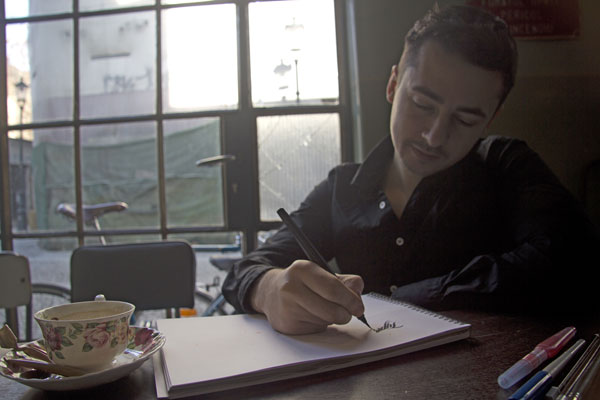
    Photo by Dave Brown. Like, the one off The Mighty Boosh. No seriously.

    How did you get into design? Was there a defining point in your career, and if so, how did it shape you as a designer?

    I actually wanted to be a computer programmer – I loved my ZX Spectrum! But I guess I was always pretty good at drawing and was thankfully guided towards art school where I first became interested in graphic design.

    I studied the work of Eric Spiekermann in my final year at university and was invited to go out to Berlin and meet the typographic guru. I don’t think I need to explain, but the guy is inspirational.
    I guess another significant moment was that I finally plucked up the courage to leave my first and only job, as an assistant to a calligrapher, and go it alone. This threw me right in at the deep end, but proved the challenge I needed to kick start my career.

    How do you approach a new project? What’s your creative process like?

    It varies… I work on all stages of a project from initial ideas through to little tweaks. I would say a very important part of the process is research. You can’t underestimate a good percentage of time spent on getting under the skin of the brand you are working on. Then I start frantically doodling – I find you can be more expressive and creative when scribbling something down quickly. After this it’s a combination of Illustrator and sketching until finally refining as vectors.

    Tiger - Rob Clarke Interview

    I think more than anyone I’ve interviewed on the site to date, your list of clients is just phenomenal – PC World, Rowntrees, Dulux, Hovis, to name just a few. How do you find working with such big brands? How does it compare to smaller client work – Which do you enjoy more, and why?

    Ha ha… I don’t really worry about the size of the brand, it’s just marks on paper at the end of the day. However working on big brands can be rewarding. It’s great to see your work up there in big shiny lights. Going to the supermarket can be a pain for the wife and I’m constantly reminded of work when watching TV. However, the bigger the client, the bigger the committee. The design can become diluted and lack the original spark – or the opposite and become too tricksy. I definitely enjoy the freedom of working for small clients.

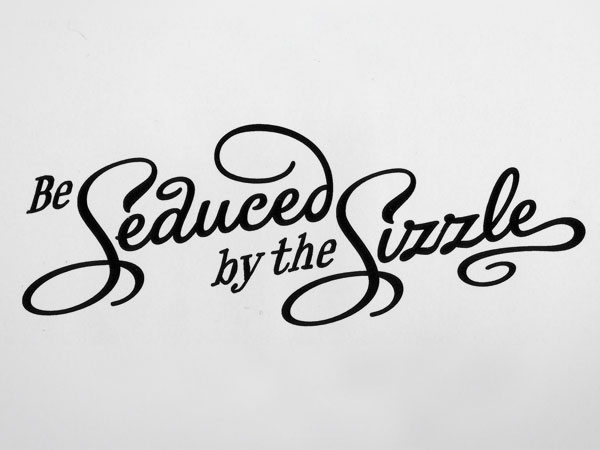
    Seduced by the Sizzle - Rob Clarke Interview

    You are now obviously best known for your lettering and branding work. Did you approach the industry with this niche in mind, or did it simply evolve? How important is it, in your opinion, to have a niche in an industry as large as ours?

    Nowadays I believe it is very important to stand out from the vast crowd and I guess subconsciously I did seek a niche. I was never into becoming a bit-part in a huge company. I’ve always been interested in actual designers themselves, the personalities behind the work. Twitter is great for this, there seems to be a growing community of niche designers out there.

    Fly on the Wall - Rob Clarke Interview

    If, in some Freaky Friday-like situation, you could live the life of another designer, illustrator or creative, for a day, who would it be, and why?

    Does it have to be a designer? Can’t I be a footballer or a rock singer? …Okay, maybe Jonathan Ive, sorry Sir Jonathan Ive… what a cool dude. Do I have to explain why?

    What design tools could you not live without?

    My Moleskine diary which combines as a sketchbook. I’m a list maker and a doodler and I take it everywhere.

    Dulux - Rob Clarke Interview

    And finally, what tips would you give to anybody who is looking to get started in design?

    Take a look in the mirror… are you ready for hard work? The initial years in the industry can be tough but if you are passionate it will click into place. The key is to grow a slightly thicker skin and obviously enjoy yourself.

    By the way, if anybody wants me to expand on any points or ask any other questions feel free to get in touch!

    Thanks Rob!

    Thanks a million to Rob for talking to OMW! I really enjoyed interviewing him, and found his answers really interesting!


    Why not check out Rob’s site, and follow him on Dribbble and Twitter?

    Related Posts:

  9. One Minute With… Neil J. Rook

    2 Comments

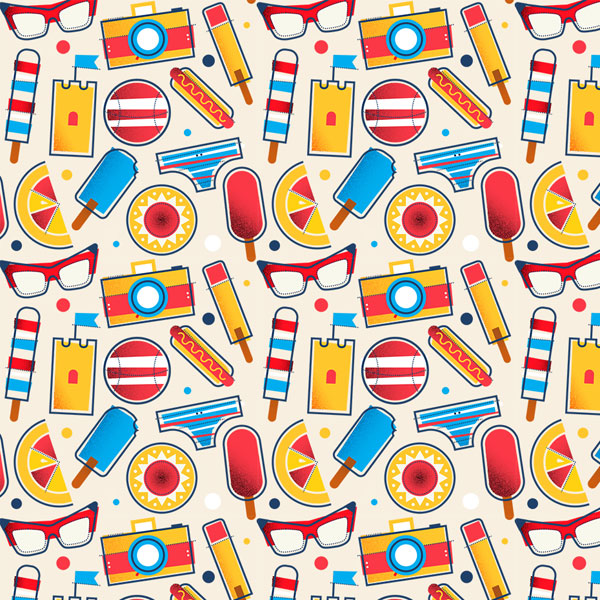
    Summertime Pattern - Neil J Rook Interview

    Hi Neil, thanks for taking time to chat with One Minute With. Tell us a little bit about yourself and your
    work.

    Hi there, well thank you for the great opportunity! I’m an illustrator and designer, London born and bred. I really love colour and pattern. When I’m not illustrating or designing I can usually be found in Selfridges committing bankruptcy or on the phone apparently.

    Walk us through a typical day in the life of Neil Rook.

    I’ll usually wake up and have a cup of tea while reading my emails. I’ll check a few blogs, Tumblr etc. I’ll then make a list of things or projects I need to work on that day. I’m a big fan of lists and post its. I like to work on a few things at once, so I’ll regularly chop and change between projects during the day. I think if you stare at something too long you can start to resent it so it’s always good to take a break and refresh your eyes.

    How did you get into illustration? Was there a defining point in your career, and if so, how did it shape you as an illustrator?

    My education is actually in fashion design, but it never felt completely right. I was more interested in creating the graphics/illustrations than the construction of garments and my tutors agreed. I wasn’t bad at it, I was just a lot better at one than the other and it was obvious. Once I’d graduated I considered my options and decided to go down the illustration route. I was incredibly lucky and my first ever paid job was for AOL. After that I got myself an agent and the rest is history!

    How do you approach a new project? What’s your creative process like?

    It varies from project to project but normally I’ll take a day or so to think about some ideas, develop them a little and draw some terrible sketches/notes and go from there. A lot of times though I’ll get stuck in right away and just follow my instincts. I think that’s the beauty of being able to work digitally. A lot of times I’ll start off with one idea and finish with something completely different.

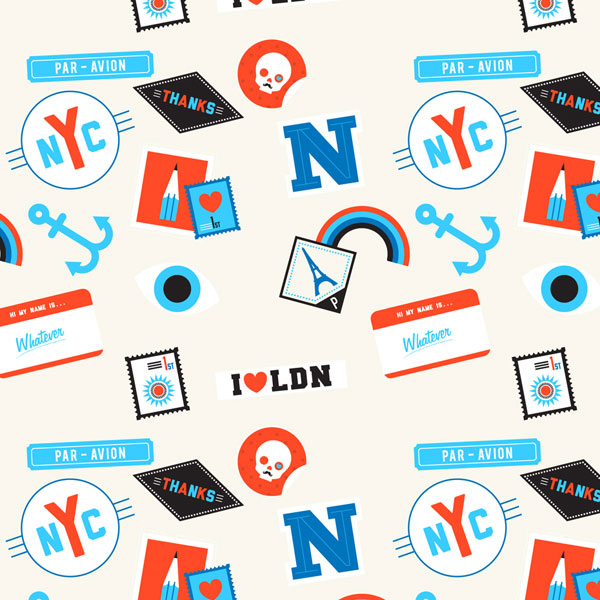
    Stamps 'n' Sticks - Neil J Rook Interview

    You’re involved in both design and illustration – Which do you prefer, and how do you think the two fields differ?

    I think illustration gives you a lot more freedom to be a little crazy. Design always has the underlining that it needs to serve a purpose so it must have a balance of crazy & practical. With illustration you can just be as bonkers as you like. There aren’t really any rules to illustration, I’m not a big fan of rules.

    Your work has a fun, fresh feel, with a geometric twist. Where do you get inspiration?

    I’m really inspired by colour or shape, pattern especially. I really love the old Disney illustrators like Mary Blair and Eyvind Earle. The artwork Eyvind Earle did for sleeping beauty is gorgeous, every still is a piece of artwork. I’d sell my right arm to own an original, only then I couldn’t work, so maybe my left arm? I’m always inspired by London too. It has an endless source of inspiration whether it be museums, fashion, architecture, anything. It’s a great place to live as an illustrator.

    DBS Pattern - Neil J Rook Interview

    If, in some Freaky Friday-like situation, you could live the life of another designer, illustrator or creative, for a day, who would it be, and why?

    Since I was a teen I’ve always admired Paul Frank. I love the fun aesthetic the brand has and how it doesn’t take itself too seriously. He managed to take his love for illustration and apply it to so many different things and make a great business out of it. If I could have even a quarter of that success it would be c’est magnifique! I’d be a very happy man.

    What design tools could you not live without?

    The most obvious thing would be my iMac or illustrator. Without them I probably wouldn’t even be doing this or have a career which is quite scary isn’t it? Is my brain considered a tool?

    Diamonds - Neil J Rook Interview

    And finally, what tips would you give to anybody who is looking to get started in design or illustration?

    Learn your craft well and never stop learning it. If you are always learning you are constantly evolving and design & illustration always need to change and evolve. I’m always learning new things, even if its only a new keyboard shortcut. That and practice. Practice makes perfect and if you don’t practice something how are you ever going to learn it?

    Thanks Neil!

    Thanks a million to Neil for sharing his thoughts! I really enjoyed interviewing him, and found his answers really interesting!

    Why not check out Neil’s site, and follow him on Dribbble and Twitter?

    Related Posts: